What does 1 Kings 19:3 mean?
“And when he saw that, he arose, and went for his life, and came to Beer-sheba, which belongeth to Judah, and left his servant there.” — 1 Kings 19:3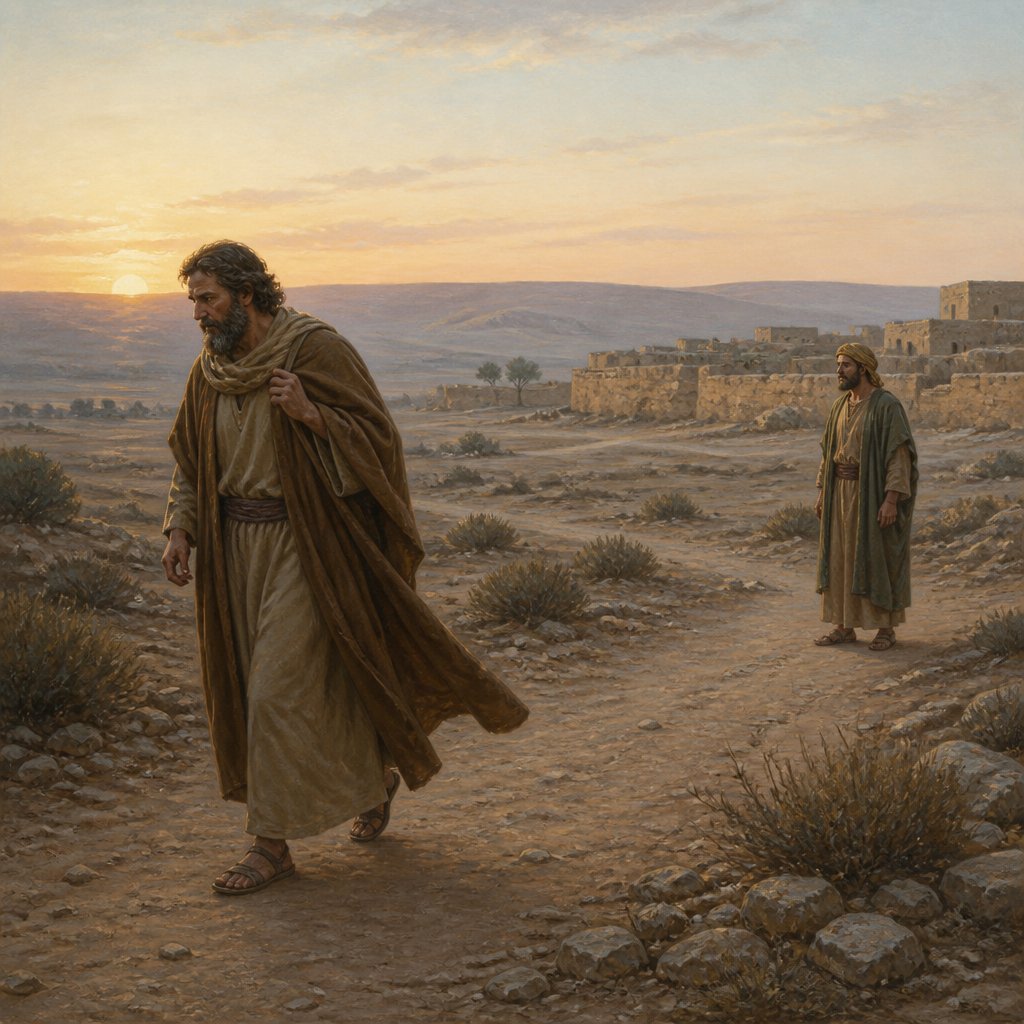
1 Kings 19:3 - "And when he saw that, he arose, and went for his life, and came to Beersheba, which belongeth to Judah, and left his servant there."
In this verse, we see the prophet Elijah in a moment of desperation and fear. To truly understand the depth of this verse, we must first look at the context of the passage and the events leading up to this moment.
The book of 1 Kings tells the story of the prophet Elijah and his great challenge against the prophets of the pagan god Baal. Elijah had just witnessed the power of God as he defeated the prophets of Baal in a dramatic and miraculous display. Yet, instead of being celebrated and honored for this victory, he found himself fleeing for his life. This turn of events left him feeling exhausted, alone, and fearful.
The mentioning of Beersheba in this verse is significant. Beersheba was located in the southernmost part of Judah, and it held great significance in biblical history. It was a place of refuge, safety, and comfort. By fleeing to Beersheba, Elijah was seeking solace and refuge from the dangers and turmoil he was facing.
Elijah's decision to leave his servant behind is also noteworthy. Throughout the Bible, the concept of leaving behind someone or something carries symbolic meaning. In this case, leaving his servant behind could represent Elijah's sense of isolation and loneliness. It could also symbolize his overwhelming burden and the sense of responsibility he carried as a prophet of God.
The themes present in this verse are deeply rooted in the human experience. Elijah's reaction to the threat on his life reflects the very real emotions of fear and anxiety. His desperate escape to Beersheba represents the universal desire for safety and security in the face of danger. The act of leaving his servant behind speaks to the profound sense of isolation and burden that can weigh heavily on individuals, even those called by God.
In a broader context, this verse also speaks to the universal struggle of faith and doubt. Despite witnessing the miraculous power of God, Elijah found himself in a place of deep doubt and vulnerability. His response to this crisis serves as a reminder that even the most faithful and dedicated individuals can experience moments of weakness and fear.
Symbolically, Elijah's journey to Beersheba can be seen as a journey of the soul. Just as Elijah sought refuge and safety in Beersheba, we too seek comfort and solace in times of turmoil. The act of leaving his servant behind can also be seen as a metaphor for the inner battles we face, and the need to confront our fears and doubts alone.
Ultimately, 1 Kings 19:3 is a powerful and relatable expression of the human experience. It offers a poignant reflection on the struggles of faith, the realities of fear and doubt, and the universal desire for safety and refuge. It serves as a reminder that even in our moments of weakness and vulnerability, God is present and offers us the strength and courage to press on.
Get our apps


Artwork for 1 Kings 19:3

1 Kings 19:3 - "And when he saw that, he arose, and went for his life, and came to Beer-sheba, which belongeth to Judah, and left his servant there."

Soothing the Soul: The Gospel of Gentle Care 1 Kings 19:3-8; 1 Samuel 16:14-23

Soothing the Soul: The Gospel of Gentle Care 1 Kings 19:3-8; 1 Samuel 16:14-23
"And when he saw that, he arose, and went for his life, and came to Beer-sheba, which belongeth to Judah, and left his servant there." - 1 Kings 19:3

1 Kings 3:19 - "And this woman's child died in the night; because she overlaid it."

"And this woman's child died in the night; because she overlaid it." - 1 Kings 3:19

2 Kings 3:16-19

1 Kings 19:1-18

2 Kings 19:2

2 Kings 19:2

1 kings 22:19

2 Kings 19:2

1 Cor 3:19

Psalm 19:3

1 Kings 14:19 - "And the rest of the acts of Jeroboam, how he warred, and how he reigned, behold, they are written in the book of the chronicles of the kings of Israel."

John 19:1-3

Psalm 19:3-4

1 Kings 12:19 - "So Israel rebelled against the house of David unto this day."

1 Kings 3:9

1 kings 3:15

1 kings 3:15

1 kings 3:12

2 Kings 19:3 - "And they said unto him, Thus saith Hezekiah, This day is a day of trouble, and of rebuke, and blasphemy: for the children are come to the birth, and there is not strength to bring forth."
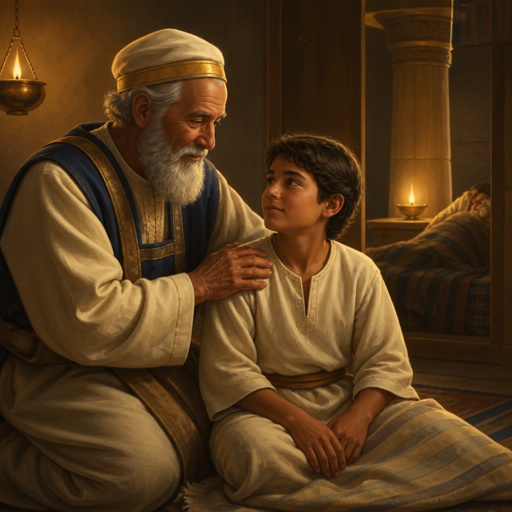
1 Samuel 3:19-21

1 Kings 6:19 - "And the oracle he prepared in the house within, to set there the ark of the covenant of the LORD."

1 Kings 19:12 - "And after the earthquake a fire; but the LORD was not in the fire: and after the fire a still small voice."

1 Kings 19:1 - "And Ahab told Jezebel all that Elijah had done, and withal how he had slain all the prophets with the sword."

1 Kings 7:19 - "And the chapiters that were upon the top of the pillars were of lily work in the porch, four cubits."

1 Kings 13:19 - "So he went back with him, and did eat bread in his house, and drank water."

1 Kings 20:19 - "So these young men of the princes of the provinces came out of the city, and the army which followed them."