What does 1 Kings 19:9 mean?
“And he came thither unto a cave, and lodged there; and, behold, the word of the LORD came to him, and he said unto him, What doest thou here, Elijah?” — 1 Kings 19:9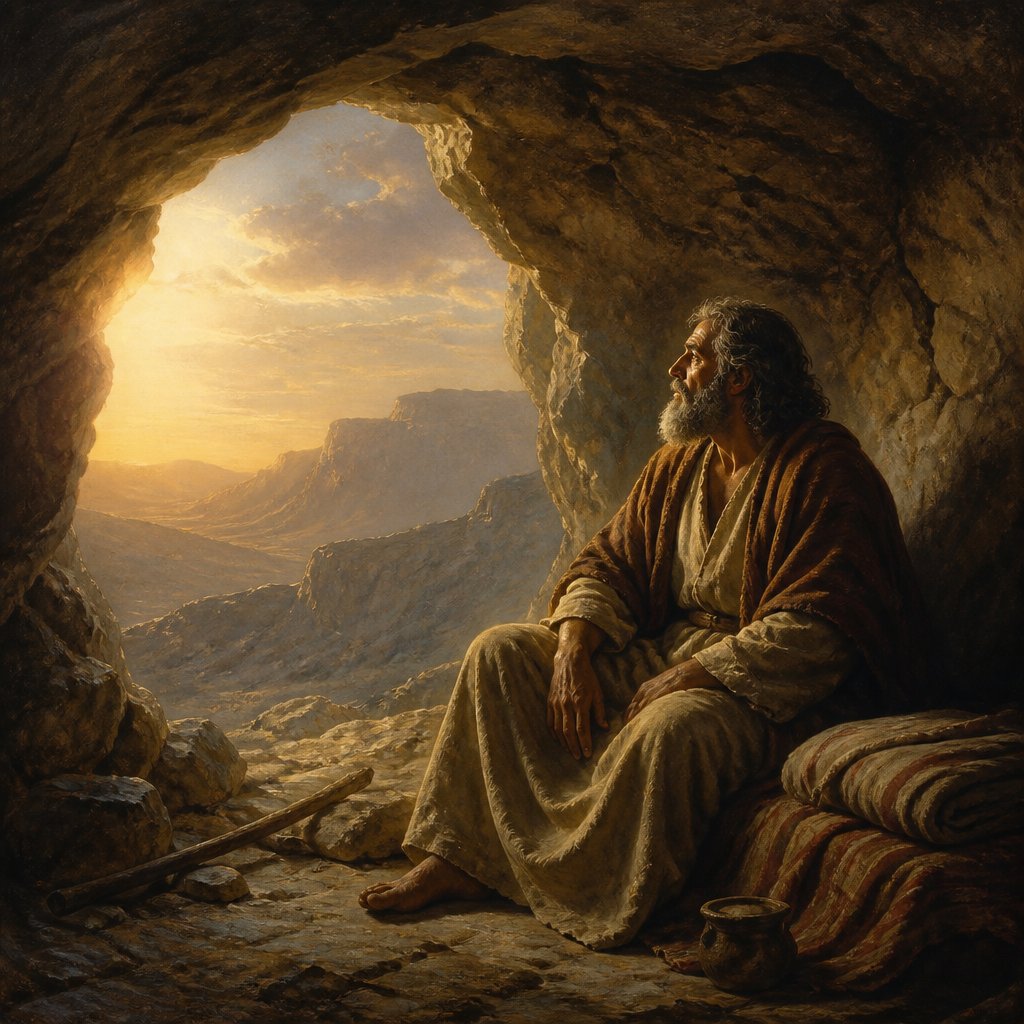
1 Kings 19:9 (KJV) reads, "And he came thither unto a cave, and lodged there; and, behold, the word of the LORD came to him, and he said unto him, What doest thou here, Elijah?"
This verse from the book of 1 Kings presents a powerful and poignant moment in the life of the prophet Elijah. It occurs after Elijah had just experienced a great victory over the prophets of Baal at Mount Carmel, where he had demonstrated the power of the one true God and had the false prophets executed. However, shortly after this great triumph, Elijah found himself running for his life, as he was being pursued by Queen Jezebel, who sought to kill him for the deaths of her prophets.
In this verse, we find Elijah taking refuge in a cave, exhausted and feeling hopeless. It is here that the word of the Lord comes to him, asking him, "What doest thou here, Elijah?" This simple question reveals the underlying themes and complexities of Elijah's situation and offers a profound commentary on the human experience.
One of the central themes in this verse is the idea of spiritual desolation and the questioning of one's purpose and calling. Elijah, who had just experienced a tremendous victory, now finds himself in a place of despair and doubt. This serves as a reminder that even the strongest and most faithful servants of God can struggle with feelings of inadequacy and discouragement. The question posed to Elijah by the word of the Lord also speaks to the broader human experience of feeling lost and unsure of one's path. It prompts us to examine our own lives and consider whether we are truly fulfilling our God-given purpose.
Another significant theme in this verse is the concept of divine communication and intervention. The fact that the word of the Lord reaches Elijah in his darkest moment demonstrates the unwavering presence and concern of God for his people. The question posed to Elijah is an invitation for him to open up about his struggles and to seek guidance and comfort from the Lord. This serves as a powerful reminder that God is always ready to listen to our prayers and provide us with the strength and wisdom we need to navigate life's challenges.
The context of this verse is also crucial in understanding its significance. Elijah's story is one of great courage and faith, but it also touches on universal human experiences such as fear, loneliness, and doubt. The fact that Elijah, a mighty prophet of God, found himself in a state of despair humanizes him and makes his story relatable to all who read it. This serves as a source of comfort and encouragement for those who may be grappling with their own trials and tribulations.
Symbolism plays a key role in this verse as well. The cave in which Elijah takes refuge can be seen as a metaphor for the darkness and isolation he is experiencing. It represents a place of retreat and introspection, where he is forced to confront his own inner turmoil and seek solace in the presence of God. The word of the Lord breaking through this darkness symbolizes the divine light and hope that is always available to those who seek it.
In conclusion, 1 Kings 19:9 (KJV) offers a profound reflection on the human experience of despair, the unwavering presence of God, and the transformative power of divine communication. It serves as a timeless reminder of the universal nature of human struggles and the comfort and guidance that can be found in seeking a relationship with God. This verse continues to resonate with readers today, offering solace and inspiration to all who may find themselves in their own "caves" of despair and doubt.
Get our apps


Artwork for 1 Kings 19:9

1 Kings 19:9 - "¶ And he came thither unto a cave, and lodged there; and, behold, the word of the LORD came to him, and he said unto him, What doest thou here, Elijah?"
"¶ And he came thither unto a cave, and lodged there; and, behold, the word of the LORD came to him, and he said unto him, What doest thou here, Elijah?" - 1 Kings 19:9

1 Chronicles 19:9 - "And the children of Ammon came out, and put the battle in array before the gate of the city: and the kings that were come were by themselves in the field."

1 Kings 9:19 - "And all the cities of store that Solomon had, and cities for his chariots, and cities for his horsemen, and that which Solomon desired to build in Jerusalem, and in Lebanon, and in all the land of his dominion."

1 Kings 19:1-18

2 Kings 19:2

2 Kings 19:2

1 kings 22:19

2 Kings 19:2

2 Kings 19:9 - "And when he heard say of Tirhakah king of Ethiopia, Behold, he is come out to fight against thee: he sent messengers again unto Hezekiah, saying,"

1 Kings 3:9

1 Kings 3:19 - "And this woman's child died in the night; because she overlaid it."

1 Kings 14:19 - "And the rest of the acts of Jeroboam, how he warred, and how he reigned, behold, they are written in the book of the chronicles of the kings of Israel."

1 Kings 9:18 - "And Baalath, and Tadmor in the wilderness, in the land,"

1 Kings 9:14 - "And Hiram sent to the king sixscore talents of gold."

1 Kings 12:19 - "So Israel rebelled against the house of David unto this day."

1 Kings 6:19 - "And the oracle he prepared in the house within, to set there the ark of the covenant of the LORD."

1 Kings 9:17 - "And Solomon built Gezer, and Beth-horon the nether,"
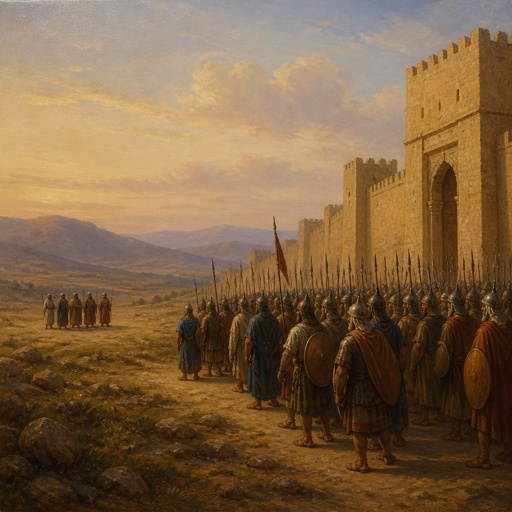
"And the children of Ammon came out, and put the battle in array before the gate of the city: and the kings that were come were by themselves in the field." - 1 Chronicles 19:9

1 Kings 19:12 - "And after the earthquake a fire; but the LORD was not in the fire: and after the fire a still small voice."

1 Kings 19:1 - "And Ahab told Jezebel all that Elijah had done, and withal how he had slain all the prophets with the sword."

1 Kings 15:9 - "¶ And in the twentieth year of Jeroboam king of Israel reigned Asa over Judah."

1 Kings 7:19 - "And the chapiters that were upon the top of the pillars were of lily work in the porch, four cubits."
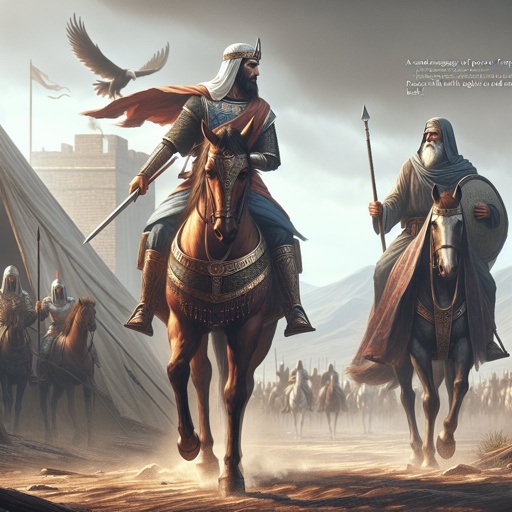
2 Kings 9:19 - "Then he sent out a second on horseback, which came to them, and said, Thus saith the king, Is it peace? And Jehu answered, What hast thou to do with peace? turn thee behind me."

1 Kings 22:9 - "Then the king of Israel called an officer, and said, Hasten hither Micaiah the son of Imlah."

1 Kings 13:19 - "So he went back with him, and did eat bread in his house, and drank water."

1 Kings 20:19 - "So these young men of the princes of the provinces came out of the city, and the army which followed them."

1 Kings 4:9 - "The son of Dekar, in Makaz, and in Shaalbim, and Beth-shemesh, and Elon-beth-hanan:"
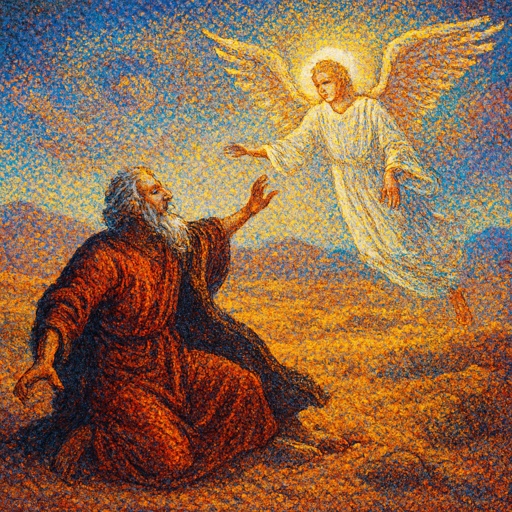
1 Kings 19: Elijah flew desperately in the dessert. THere, he has a vision of the angels of GOD.

1 Kings 6:9 - "So he built the house, and finished it; and covered the house with beams and boards of cedar."