What does 1 Kings 1:32 mean?
"¶ And king David said, Call me Zadok the priest, and Nathan the prophet, and Benaiah the son of Jehoiada. And they came before the king." - 1 Kings 1:32
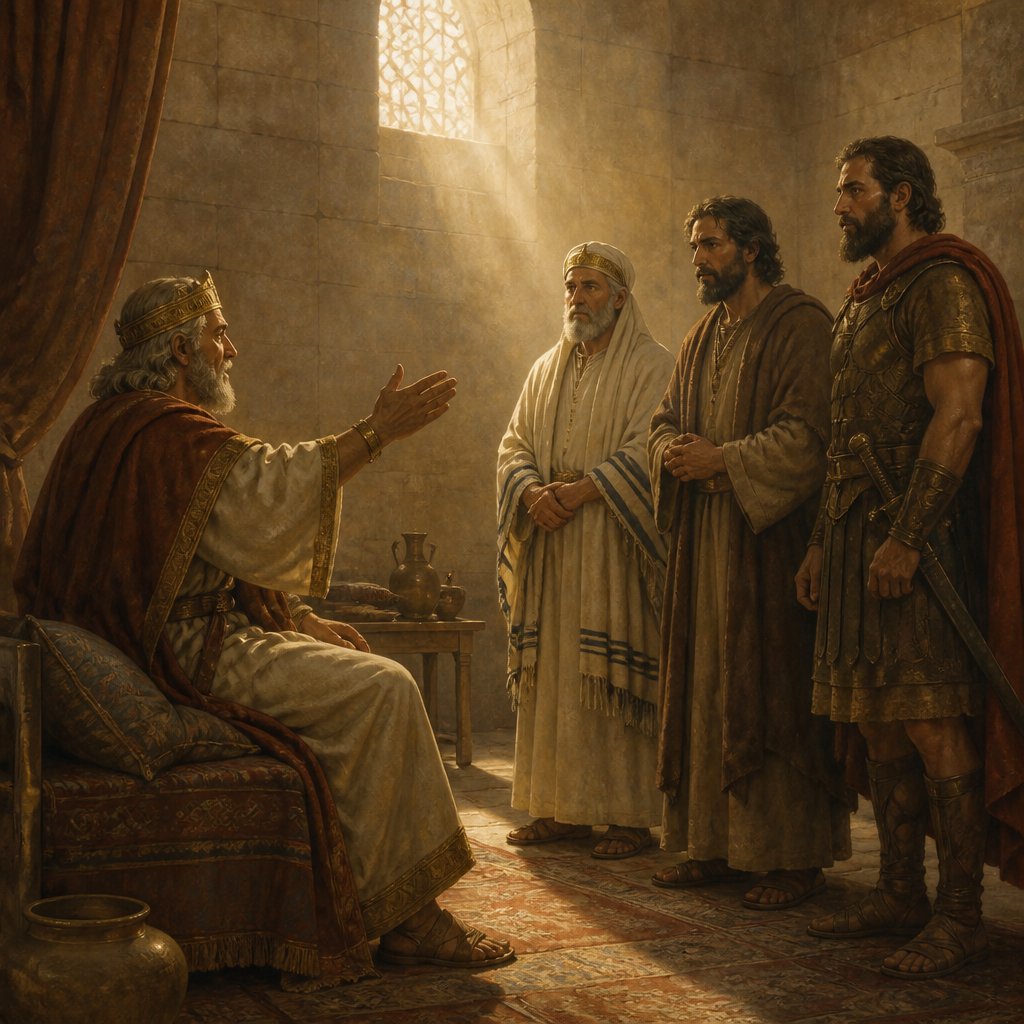
The verse 1 Kings 1:32 in the King James Version of the Bible reads:
"And king David said, Call me Zadok the priest, and Nathan the prophet, and Benaiah the son of Jehoiada. And they came before the king."
This verse is part of the narrative surrounding the transition of power from King David to his son, Solomon. It represents a pivotal moment in the history of Israel, as David's rule is coming to an end and Solomon is being anointed as his successor. The verse contains multiple layers of meaning, symbolism, and context that are important to understand in order to fully grasp its significance within the larger biblical narrative.
The verse begins with King David summoning three key figures in Israel's religious and political leadership: Zadok the priest, Nathan the prophet, and Benaiah the son of Jehoiada. Each of these men played a crucial role in the kingdom and were trusted confidants of King David. Their presence at this moment indicates the importance and solemnity of the occasion.
First, Zadok the priest represents the religious authority in Israel. He was a descendant of Aaron and held a prominent position within the priesthood. His presence at the anointing of Solomon signifies the religious legitimacy of Solomon's ascension to the throne. It also underscores the collaborative relationship between the monarchy and the priesthood in Israelite society.
Next, Nathan the prophet is mentioned. Nathan had been a trusted advisor to King David and had played a critical role in confronting David about his sin with Bathsheba. In this context, Nathan represents the voice of moral and ethical guidance. His presence at Solomon's anointing signifies that the transition of power has been sanctioned by God and aligns with His will.
Lastly, Benaiah the son of Jehoiada is called upon. Benaiah was the commander of David's army and held a position of great military and political influence. His presence serves as a reminder of the importance of security and strength in maintaining a stable and just rule.
When these three men come before King David, it is a meeting of religious, moral, and military authority, symbolizing the full scope of power and influence within the kingdom. Their presence reinforces the idea that the transfer of authority from David to Solomon is being done with the full support and blessing of the key leaders of Israel.
The larger context of this verse is the narrative of how Solomon came to be recognized as David's successor, solidifying his claim to the throne and ensuring a smooth transition of power. This event was significant not only for the political stability of Israel but also for its religious and moral foundation. The anointing of Solomon represented a continuation of the Davidic dynasty and the fulfillment of God's promise to David that his line would rule over Israel forever.
In conclusion, 1 Kings 1:32 is a crucial moment in the biblical narrative, signifying the transfer of power from King David to Solomon. The presence of Zadok the priest, Nathan the prophet, and Benaiah the son of Jehoiada underscores the religious, moral, and military dimensions of Solomon's ascension to the throne. This verse is a powerful reminder of the intertwining of political power and religious authority in Israelite society and the importance of seeking God's guidance in matters of leadership and governance.
Have questions about 1 Kings 1:32?
Dive deeper into this scripture with Bible Chat — an AI-powered tool for exploring God's Word through conversation. Ask questions, get context, and grow in your understanding of the Bible.
Get Our Apps


1 Kings 1:32 Artwork

1 Kings 1:32 - "¶ And king David said, Call me Zadok the priest, and Nathan the prophet, and Benaiah the son of Jehoiada. And they came before the king."
"¶ And king David said, Call me Zadok the priest, and Nathan the prophet, and Benaiah the son of Jehoiada. And they came before the king." - 1 Kings 1:32

1 Kings 11:29-32

1 Kings 15:32 - "And there was war between Asa and Baasha king of Israel all their days."

1 Kings 4:32 - "And he spake three thousand proverbs: and his songs were a thousand and five."

1 Kings 16:32 - "And he reared up an altar for Baal in the house of Baal, which he had built in Samaria."

1 Kings 7:32 - "And under the borders were four wheels; and the axletrees of the wheels were joined to the base: and the height of a wheel was a cubit and half a cubit."

1 Kings 18:32 - "And with the stones he built an altar in the name of the LORD: and he made a trench about the altar, as great as would contain two measures of seed."

1 Kings 22:32 - "And it came to pass, when the captains of the chariots saw Jehoshaphat, that they said, Surely it is the king of Israel. And they turned aside to fight against him: and Jehoshaphat cried out."

"And there was war between Asa and Baasha king of Israel all their days." - 1 Kings 15:32

1 Kings 11:32 - "(But he shall have one tribe for my servant David's sake, and for Jerusalem's sake, the city which I have chosen out of all the tribes of Israel:)"

1 Kings 8:32 - "Then hear thou in heaven, and do, and judge thy servants, condemning the wicked, to bring his way upon his head; and justifying the righteous, to give him according to his righteousness."

1 Kings 13:32 - "For the saying which he cried by the word of the LORD against the altar in Beth-el, and against all the houses of the high places which are in the cities of Samaria, shall surely come to pass."

"And he spake three thousand proverbs: and his songs were a thousand and five." - 1 Kings 4:32

psalm 32

psalm 32
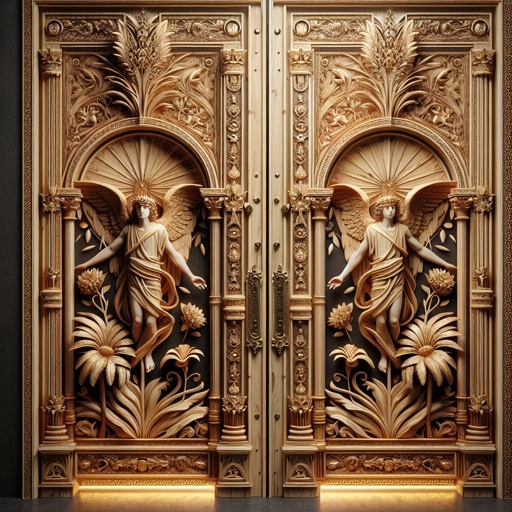
1 Kings 6:32 - "The two doors also were of olive tree; and he carved upon them carvings of cherubims and palm trees and open flowers, and overlaid them with gold, and spread gold upon the cherubims, and upon the palm trees."

psalm 32

psalm 32

Luke 1:32

Luke 1:32
Luke 1:32

Luke 1:32

Luke 1:32

Luke 1:32

Luke 1:32

Deuteronomy 32:41

Numbers 32:38

Deuteronomy 32:43

Numbers 32:33