What does 1 Kings 1:50 mean?
“And Adonijah feared because of Solomon, and arose, and went, and caught hold on the horns of the altar.” — 1 Kings 1:50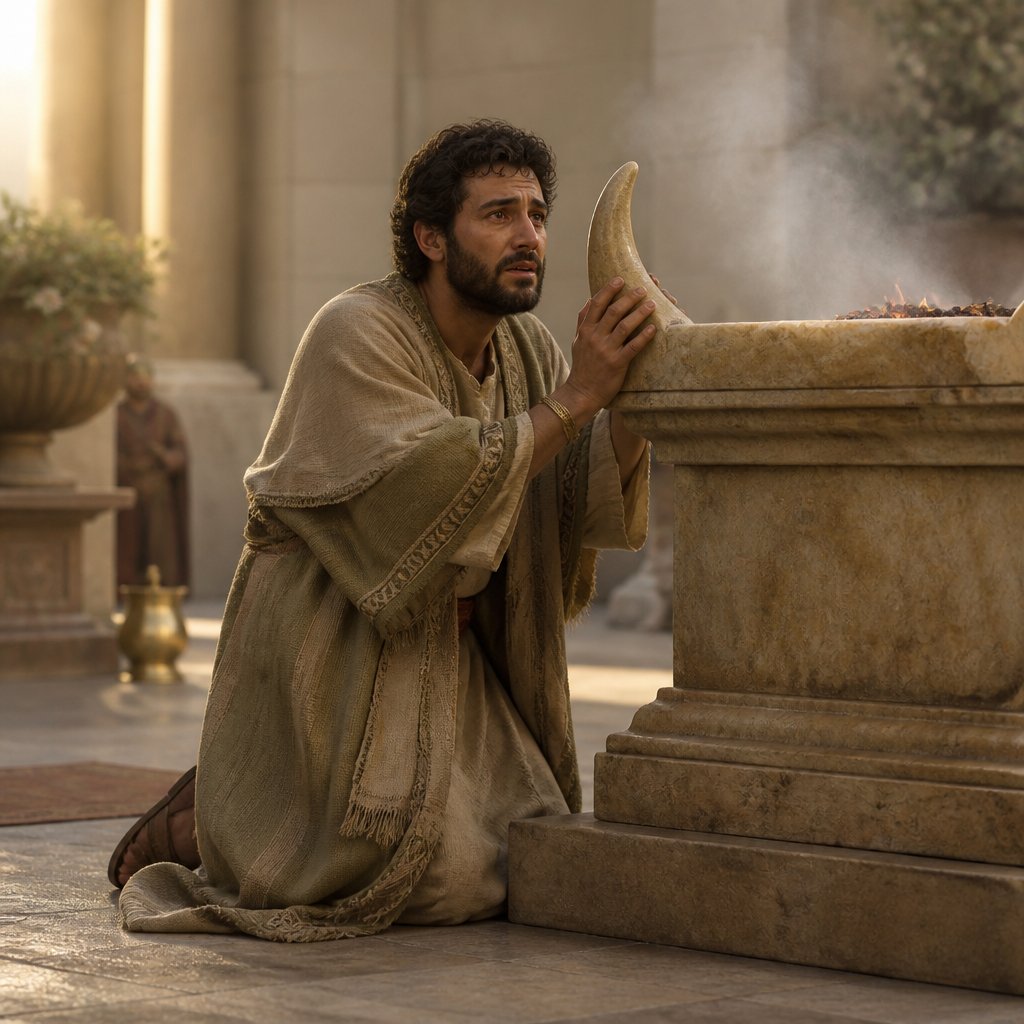
The verse 1 Kings 1:50 from the King James Version of the Bible reads, "And Adonijah feared because of Solomon, and arose, and went, and caught hold on the horns of the altar." In order to understand the meaning and significance of this verse, we must first look at the context in which it appears.
The book of 1 Kings is a historical account of the reigns of various kings of Israel, including King David and his son Solomon. In this particular verse, Adonijah, who was the eldest surviving son of King David, had attempted to usurp the throne from Solomon, who was David's chosen successor. Adonijah's rebellion against Solomon had failed, and in fear of his life, he sought refuge by running to the altar and laying hold of its horns.
The act of catching hold of the horns of the altar was a common practice in ancient Israel. The horns of the altar were seen as a place of sanctuary and protection, where individuals could seek refuge from their enemies. By clinging to the horns of the altar, Adonijah was essentially seeking asylum and begging for mercy from Solomon.
In a broader sense, this verse illustrates the themes of power, authority, and divine justice. Adonijah's failed attempt to claim the throne highlights the consequences of defying God's chosen ruler. It serves as a reminder of the consequences of pride and disobedience, and the ultimate authority of God in the affairs of men. Adonijah's fear in the face of Solomon's ascension to the throne serves as a warning to those who would seek to challenge the established order.
Symbolically, the act of clinging to the horns of the altar can be seen as a plea for divine intervention and forgiveness. It represents a recognition of one's own vulnerability and a willingness to submit to the will of God. Adonijah's actions can be interpreted as a desperate appeal for mercy, acknowledging his guilt and seeking redemption.
The significance of this verse is also reflected in the broader narrative of the Bible. Throughout the Old Testament, there are numerous instances of individuals seeking refuge at the altar, including Joab in 1 Kings 2:28 and Adonijah's own brother, Adonijah in 2 Samuel 14:32. These instances demonstrate the sanctity of the altar as a place of refuge and the acknowledgment of God's authority.
In conclusion, 1 Kings 1:50 from the King James Version of the Bible carries significant themes of power, authority, and divine justice. It serves as a reminder of the consequences of challenging God's chosen leaders and the need for humility and submission to His will. The act of clinging to the horns of the altar symbolizes a plea for mercy and forgiveness, highlighting the ultimate authority of God in the lives of men. This verse carries timeless lessons that remain relevant to this day.
Get our apps


Artwork for 1 Kings 1:50

1 Kings 1:50 - "¶ And Adonijah feared because of Solomon, and arose, and went, and caught hold on the horns of the altar."
"¶ And Adonijah feared because of Solomon, and arose, and went, and caught hold on the horns of the altar." - 1 Kings 1:50

1 Kings 22:50 - "¶ And Jehoshaphat slept with his fathers, and was buried with his fathers in the city of David his father: and Jehoram his son reigned in his stead."

1 Kings 7:50 - "And the bowls, and the snuffers, and the basons, and the spoons, and the censers of pure gold; and the hinges of gold, both for the doors of the inner house, the most holy place, and for the doors of the house, to wit, of the temple."

Luke 7:50

Luke 7:50

1 Kings 8:50 - "And forgive thy people that have sinned against thee, and all their transgressions wherein they have transgressed against thee, and give them compassion before them who carried them captive, that they may have compassion on them:"

Numbers 1:50 -53

Numbers 1:50 -53

Numbers 1:50 -53

Luke 1:50 - "And his mercy is on them that fear him from generation to generation."

Jeremiah 50:1 - "The word that the LORD spake against Babylon and against the land of the Chaldeans by Jeremiah the prophet."

Genesis 50:1 - "And Joseph fell upon his father's face, and wept upon him, and kissed him."
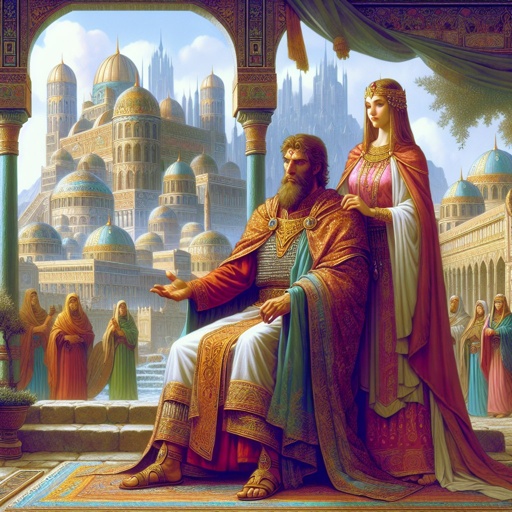
1 Chronicles 1:50 - "And when Baal-hanan was dead, Hadad reigned in his stead: and the name of his city was Pai; and his wife's name was Mehetabel, the daughter of Matred, the daughter of Mezahab."
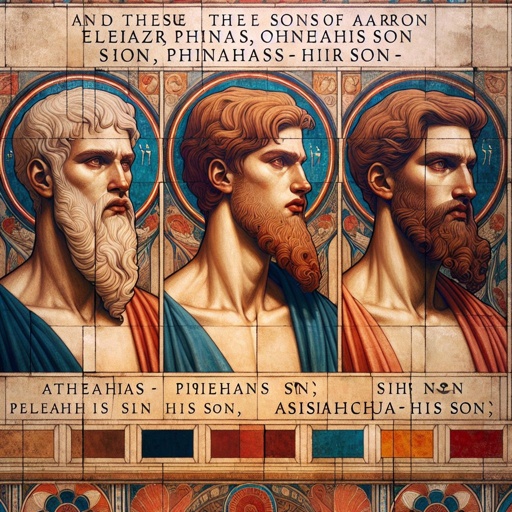
1 Chronicles 6:50 - "And these are the sons of Aaron; Eleazar his son, Phinehas his son, Abishua his son,"
1 Chronicles 2:50 - "¶ These were the sons of Caleb the son of Hur, the firstborn of Ephratah; Shobal the father of Kirjath-jearim,"
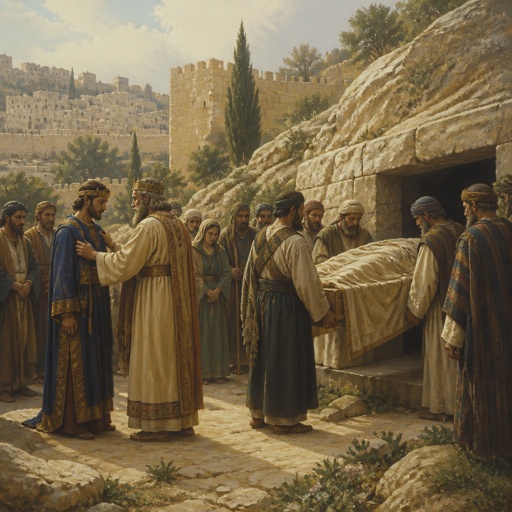
"¶ And Jehoshaphat slept with his fathers, and was buried with his fathers in the city of David his father: and Jehoram his son reigned in his stead." - 1 Kings 22:50

Psalms 50:1 - "The mighty God, even the LORD, hath spoken, and called the earth from the rising of the sun unto the going down thereof."

1 Samuel 14:50 - "And the name of Saul's wife was Ahinoam, the daughter of Ahimaaz: and the name of the captain of his host was Abner, the son of Ner, Saul's uncle."

1 Samuel 17:50 - "So David prevailed over the Philistine with a sling and with a stone, and smote the Philistine, and slew him; but there was no sword in the hand of David."

1 Corinthians 15:50 - "Now this I say, brethren, that flesh and blood cannot inherit the kingdom of God; neither doth corruption inherit incorruption."
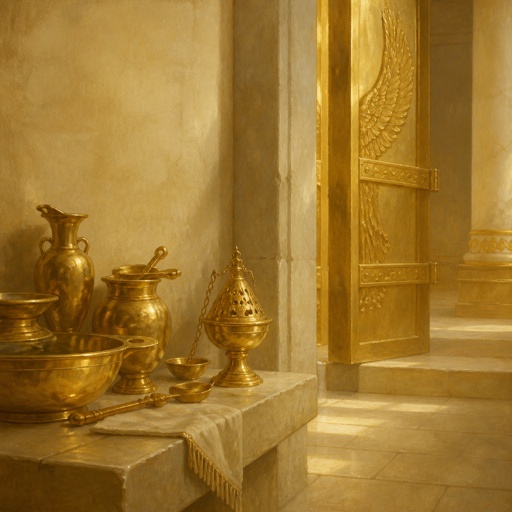
"And the bowls, and the snuffers, and the basons, and the spoons, and the censers of pure gold; and the hinges of gold, both for the doors of the inner house, the most holy place, and for the doors of the house, to wit, of the temple." - 1 Kings 7:50

1 Kings 10:1

1 Kings 10:1

1 kings 10:1

1 Kings 14:1-20

"And his mercy is on them that fear him from generation to generation." - Luke 1:50

Jeremiah 50:41 - "Behold, a people shall come from the north, and a great nation, and many kings shall be raised up from the coasts of the earth."

1 Kings 4:1 - "So king Solomon was king over all Israel."

1 Kings 11:1-5