What does 1 Kings 20:9 mean?
“Wherefore he said unto the messengers of Ben-hadad, Tell my lord the king, All that thou didst send for to thy servant at the first I will do: but this thing I may not do. And the messengers departed, and brought him word again.” — 1 Kings 20:9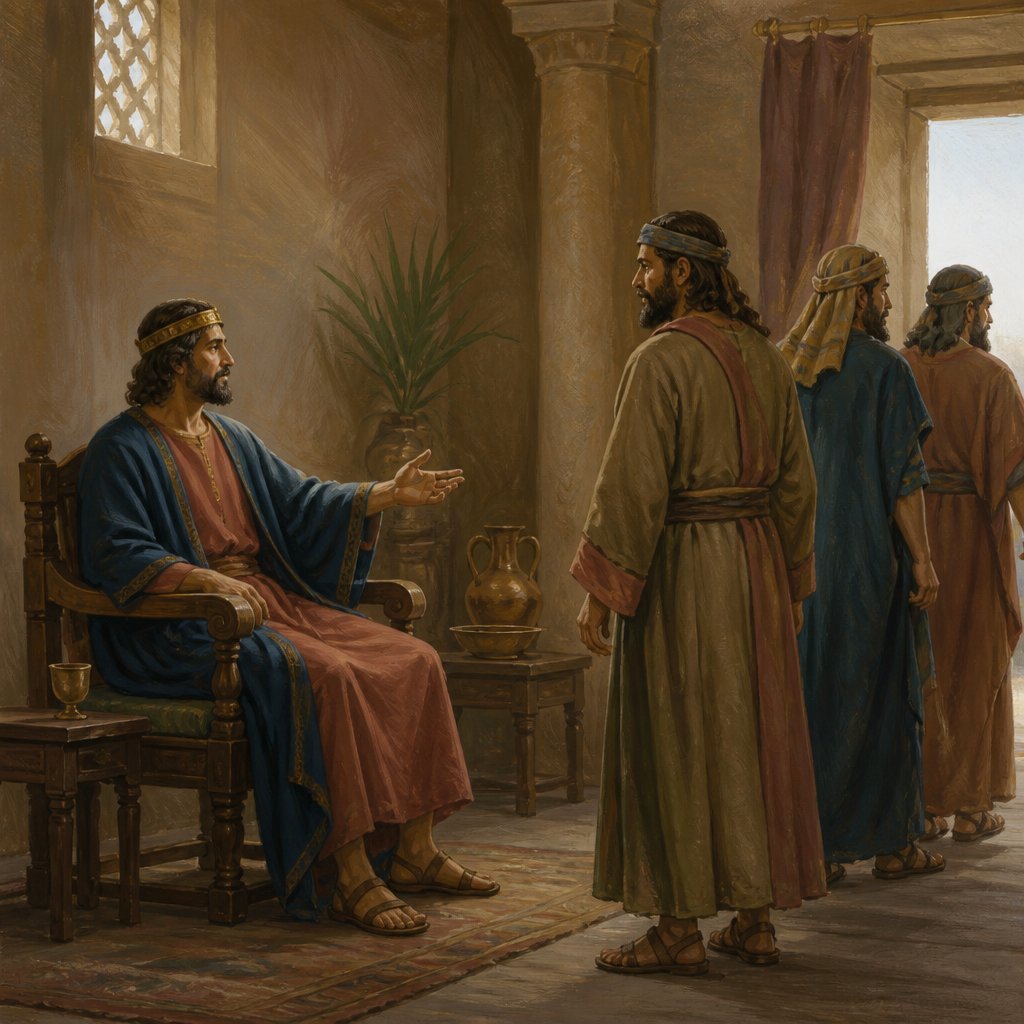
1 Kings 20:9 (KJV) says, "Wherefore if the kings of the earth, and all their company with them, made by treaty to pray
they fought, let them go, and fight against thee, and destroying this city: and we will do the rest."
To fully understand the meaning and significance of 1 Kings 20:9, it is important to first understand the context in which this verse occurs. In this chapter, King Ahab of Israel is facing a great threat from Ben-hadad, the king of Syria. Ben-hadad has gathered a great army and surrounded Samaria, and he is demanding King Ahab's surrender and the surrender of all his possessions. In verse 4, King Ahab agrees to the demands of Ben-hadad, but Ben-hadad's demands become even more excessive in verse 7, as he also demands to search King Ahab's house and the houses of his officials. This led to a fiercely defiant response from King Ahab, which brings us to verse 9.
In this verse, King Ahab is responding to Ben-hadad's extreme demands with a clear and resolute refusal. He is essentially saying that if Ben-hadad and his allies want to fight, then they should be prepared to face the consequences, which includes the possibility of their city being destroyed. King Ahab is making it clear that he will not back down or surrender without a fight, and he is willing to defend his city and his people at all costs.
One of the key themes in 1 Kings 20:9 is the theme of courage and defiance in the face of adversity. King Ahab's response to Ben-hadad's demands demonstrates his determination to stand up for his people and protect his kingdom, even in the face of overwhelming odds. This theme of courage and defiance is a recurring theme throughout the Bible, and it serves as a reminder to readers that they should stand firm in their faith and be unyielding in the face of challenges and opposition.
Another important theme in this verse is the theme of divine intervention and protection. Throughout the Bible, there are numerous examples of God intervening on behalf of His people and providing them with the strength and courage they need to overcome their enemies. In this verse, King Ahab's refusal to surrender is a testament to his faith in God's protection and his willingness to trust in God's deliverance. This theme serves as a reminder to readers that they can always have faith in God's promises and trust in His protection, even in the most difficult of circumstances.
There is also a theme of the sovereignty of God in this verse. King Ahab's refusal to surrender to Ben-hadad is ultimately a demonstration of his belief in God's ultimate authority and control over all things. This theme serves as a reminder to readers that God is ultimately in control of the events of the world, and they can trust in His sovereignty and His ability to bring about His purposes.
In terms of symbolism, the city of Samaria in this verse can be seen as a symbol of God's kingdom and His people. King Ahab's determination to defend the city can be seen as a symbol of the believer's determination to defend and protect their faith and their relationship with God. This symbolism serves as a reminder to readers that they should always be willing to stand up for their faith and defend it against any threats or challenges.
In conclusion, 1 Kings 20:9 is a powerful verse that contains important themes of courage, divine intervention, the sovereignty of God, and symbolism. It serves as a reminder to readers to stand firm in their faith, trust in God's protection, and be willing to defend their beliefs against any opposition. This verse is a testament to the enduring relevance and power of the messages found in the Bible, and it continues to provide readers with encouragement and guidance in their own lives.
Get our apps


Artwork for 1 Kings 20:9

1 Kings 20:9 - "Wherefore he said unto the messengers of Ben-hadad, Tell my lord the king, All that thou didst send for to thy servant at the first I will do: but this thing I may not do. And the messengers departed, and brought him word again."
"Wherefore he said unto the messengers of Ben-hadad, Tell my lord the king, All that thou didst send for to thy servant at the first I will do: but this thing I may not do. And the messengers departed, and brought him word again." - 1 Kings 20:9

1 Kings 9:20 - "And all the people that were left of the Amorites, Hittites, Perizzites, Hivites, and Jebusites, which were not of the children of Israel,"

1 Kings 14:1-20

1 Kings 20:16 - "And they went out at noon. But Ben-hadad was drinking himself drunk in the pavilions, he and the kings, the thirty and two kings that helped him."
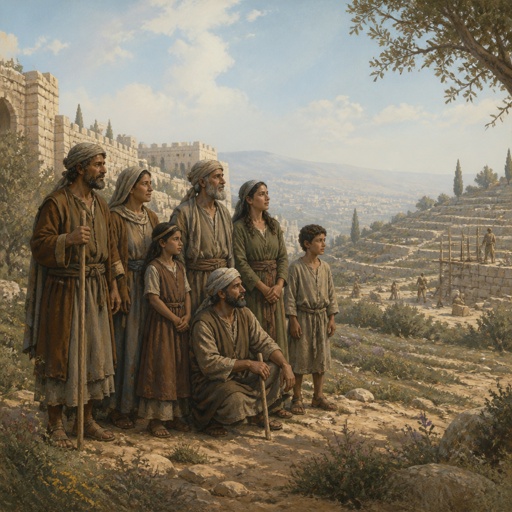
"And all the people that were left of the Amorites, Hittites, Perizzites, Hivites, and Jebusites, which were not of the children of Israel," - 1 Kings 9:20

2 Kings 20:9 - "And Isaiah said, This sign shalt thou have of the LORD, that the LORD will do the thing that he hath spoken: shall the shadow go forward ten degrees, or go back ten degrees?"

Acts 9:1-20

Acts 9:1-20

1 Kings 3:9

1 Kings 20:24 - "And do this thing, Take the kings away, every man out of his place, and put captains in their rooms:"

1 Kings 16:20 - "Now the rest of the acts of Zimri, and his treason that he wrought, are they not written in the book of the chronicles of the kings of Israel?"

1 Kings 20:20 - "And they slew every one his man: and the Syrians fled; and Israel pursued them: and Ben-hadad the king of Syria escaped on an horse with the horsemen."

1 Kings 20:1 - "And Ben-hadad the king of Syria gathered all his host together: and there were thirty and two kings with him, and horses, and chariots: and he went up and besieged Samaria, and warred against it."

1 Kings 20:43 - "And the king of Israel went to his house heavy and displeased, and came to Samaria."

1 Kings 9:18 - "And Baalath, and Tadmor in the wilderness, in the land,"

1 Kings 9:14 - "And Hiram sent to the king sixscore talents of gold."

2 Kings 9:20 - "And the watchman told, saying, He came even unto them, and cometh not again: and the driving is like the driving of Jehu the son of Nimshi; for he driveth furiously."

1 Kings 20:21 - "And the king of Israel went out, and smote the horses and chariots, and slew the Syrians with a great slaughter."

1 Kings 9:17 - "And Solomon built Gezer, and Beth-horon the nether,"

1 Kings 20:38 - "So the prophet departed, and waited for the king by the way, and disguised himself with ashes upon his face."

1 Kings 15:9 - "¶ And in the twentieth year of Jeroboam king of Israel reigned Asa over Judah."

1 Kings 22:9 - "Then the king of Israel called an officer, and said, Hasten hither Micaiah the son of Imlah."

1 Kings 20:19 - "So these young men of the princes of the provinces came out of the city, and the army which followed them."

1 Kings 20:8 - "And all the elders and all the people said unto him, Hearken not unto him, nor consent."

1 Kings 4:20 - "¶ Judah and Israel were many, as the sand which is by the sea in multitude, eating and drinking, and making merry."

1 Kings 13:20 - "¶ And it came to pass, as they sat at the table, that the word of the LORD came unto the prophet that brought him back:"

1 Kings 20:2 - "And he sent messengers to Ahab king of Israel into the city, and said unto him, Thus saith Ben-hadad,"

1 Kings 20:41 - "And he hasted, and took the ashes away from his face; and the king of Israel discerned him that he was of the prophets."

1 Chronicles 9:20 - "And Phinehas the son of Eleazar was the ruler over them in time past, and the LORD was with him."