What does 1 Kings 4:9 mean?
“The son of Dekar, in Makaz, and in Shaalbim, and Beth-shemesh, and Elon-beth-hanan:” — 1 Kings 4:9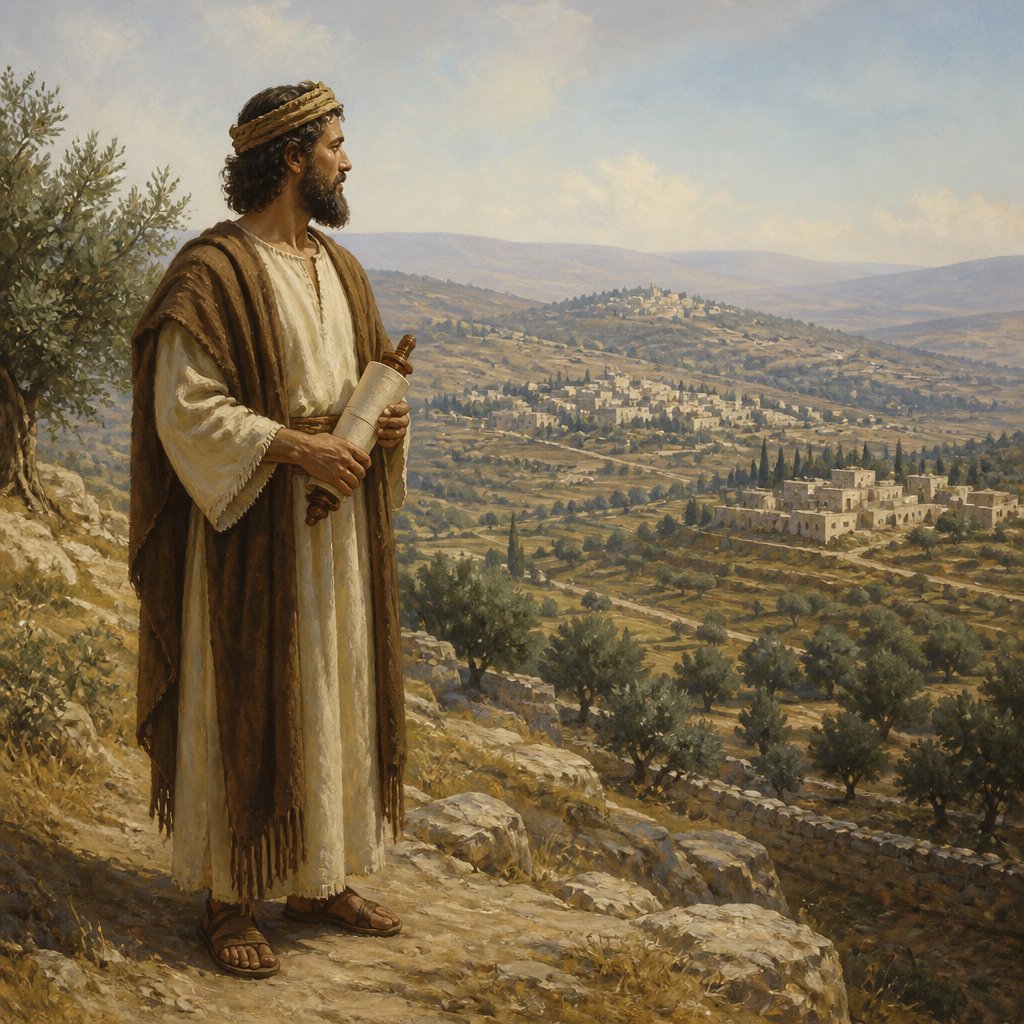
1 Kings 4:9 (KJV) reads: "The son of Dekar, in Makaz, and in Shaalbim, and Bethshemesh, and Elonbethhanan:"
At first glance, this verse may seem difficult to interpret or find meaning in, as it is simply listing the territories that the son of Dekar was in charge of during the reign of King Solomon. However, when we dig deeper into the context and the broader themes of the Book of Kings, we can find significant symbolism and meaning in this verse.
First, it is important to understand the historical and political context in which this verse is situated. 1 Kings is a historical account of the reigns of various kings in ancient Israel, particularly focusing on King Solomon, who was known for his wisdom, wealth, and the construction of the first temple in Jerusalem. This verse falls within a larger passage detailing the officials and administrators appointed by Solomon to govern over different regions of Israel. Therefore, the verse serves a practical purpose of outlining the division of responsibilities and territories within Solomon's kingdom.
However, beneath the surface, this verse can also be seen as symbolic of the broader themes of order, authority, and divine governance. In the ancient Near East, the delegation of territories to specific officials was a common practice for maintaining order and ensuring effective administration. Thus, the meticulous listing of territories in this verse can be seen as a reflection of the divine order and organization that Solomon sought to establish in his kingdom, with each official being responsible for the well-being and prosperity of their designated areas.
Furthermore, the mention of these specific territories, such as Shaalbim and Bethshemesh, also holds symbolic significance. In biblical literature, place names are often rich in meaning and can carry historical or spiritual significance. Shaalbim, for example, can be interpreted as a place of foxes, and Bethshemesh as the House of the Sun. These names may symbolize aspects of the human condition or spiritual truths, such as the cunning and deceitfulness of the natural world, or the light and warmth of divine presence. Therefore, the delegation of authority over these territories can be seen as the establishment of divine order over the complexities and challenges of human existence.
Additionally, the mention of "Makaz" and "Elonbethhanan" may also hold deeper symbolism. "Makaz" is associated with a place of shearing or cutting, while "Elonbethhanan" can be interpreted as the Oak-house of grace. These names can be seen as representing the dualities of life - the hardship and toil represented by "Makaz," contrasted with the abundance and grace symbolized by "Elonbethhanan." Thus, the verse can be seen as a reminder that under divine governance, all aspects of life find their place and purpose within the greater plan of God.
In conclusion, while 1 Kings 4:9 may appear to be a simple list of territories, when examined in context and through the lens of biblical symbolism, it reveals deeper themes of divine order, the complexities of human existence, and the presence of divine grace. This verse serves as a reflection of the greater narrative of God's sovereignty and the establishment of order and purpose within the world. And ultimately, it reminds us that even in the most seemingly mundane or practical aspects of life, the presence and guidance of God can be found.
Get our apps


Artwork for 1 Kings 4:9

1 Kings 4:9 - "The son of Dekar, in Makaz, and in Shaalbim, and Beth-shemesh, and Elon-beth-hanan:"

"The son of Dekar, in Makaz, and in Shaalbim, and Beth-shemesh, and Elon-beth-hanan:" - 1 Kings 4:9

1 Kings 9:4 - "And if thou wilt walk before me, as David thy father walked, in integrity of heart, and in uprightness, to do according to all that I have commanded thee, and wilt keep my statutes and my judgments:"

2 Kings 4:9 - "And she said unto her husband, Behold now, I perceive that this is an holy man of God, which passeth by us continually."

1 Kings 3:9

2 Kings 9:4 - "¶ So the young man, even the young man the prophet, went to Ramoth-gilead."

1 Kings 4:1 - "So king Solomon was king over all Israel."

1 Kings 9:18 - "And Baalath, and Tadmor in the wilderness, in the land,"

1 Kings 9:14 - "And Hiram sent to the king sixscore talents of gold."

1 Kings 4:17 - "Jehoshaphat the son of Paruah, in Issachar:"

1 Kings 4:4 - "And Benaiah the son of Jehoiada was over the host: and Zadok and Abiathar were the priests:"

1 Kings 1:4 - "And the damsel was very fair, and cherished the king, and ministered to him: but the king knew her not."

1 Kings 4:18 - "Shimei the son of Elah, in Benjamin:"

1 Kings 9:17 - "And Solomon built Gezer, and Beth-horon the nether,"

1 Kings 4:14 - "Ahinadab the son of Iddo had Mahanaim:"

1 Kings 15:9 - "¶ And in the twentieth year of Jeroboam king of Israel reigned Asa over Judah."

1 Kings 4:8 - "And these are their names: The son of Hur, in mount Ephraim:"

1 Kings 4:16 - "Baanah the son of Hushai was in Asher and in Aloth:"

Isaiah 9:1-4

1 Kings 22:9 - "Then the king of Israel called an officer, and said, Hasten hither Micaiah the son of Imlah."

"So king Solomon was king over all Israel." - 1 Kings 4:1

1 Kings 6:4 - "And for the house he made windows of narrow lights."

"Ahinadab the son of Iddo had Mahanaim:" - 1 Kings 4:14

1 Kings 4:34 - "And there came of all people to hear the wisdom of Solomon, from all kings of the earth, which had heard of his wisdom."

"Shimei the son of Elah, in Benjamin:" - 1 Kings 4:18

"Jehoshaphat the son of Paruah, in Issachar:" - 1 Kings 4:17

1 Kings 6:9 - "So he built the house, and finished it; and covered the house with beams and boards of cedar."

1 Corinthians 9:4 - "Have we not power to eat and to drink?"

1 Timothy 4:9 - "This is a faithful saying and worthy of all acceptation."

1 Kings 4:6 - "And Ahishar was over the household: and Adoniram the son of Abda was over the tribute."