What does 1 Kings 5:4 mean?
“But now the LORD my God hath given me rest on every side, so that there is neither adversary nor evil occurrent.” — 1 Kings 5:4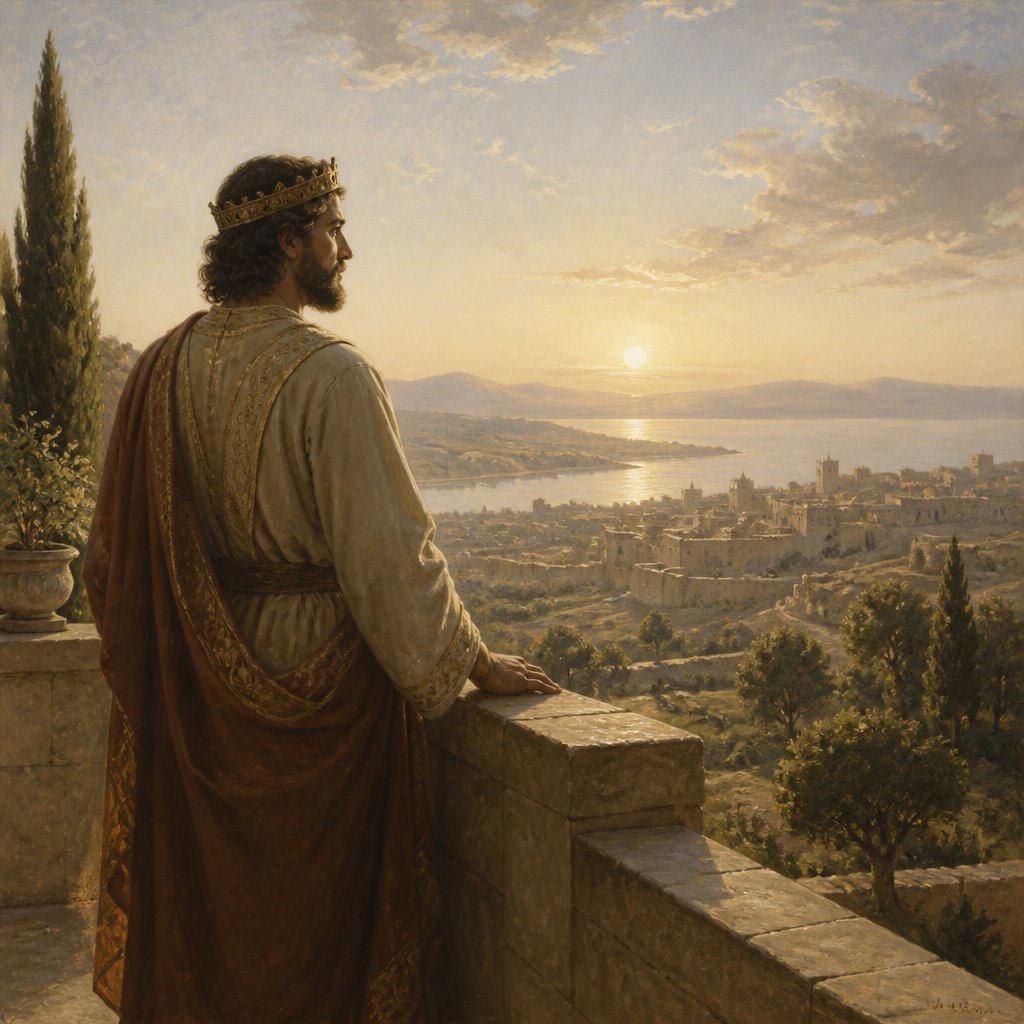
1 Kings 5:4 (KJV): "But now the Lord my God hath given me rest on every side, so that there is neither adversary nor evil occurrent."
The verse 1 Kings 5:4 comes from the Old Testament, specifically from the book of 1 Kings. This verse is part of a passage in which Solomon is giving thanks to God for the peace and prosperity that he has been given, which enables him to build the temple of the Lord.
The verse speaks to the tranquility and peace that Solomon is experiencing. The phrase "rest on every side" is a powerful image of peace and security. Solomon acknowledges that God has provided him with a time of calm and safety, as there are neither adversaries nor evil occurrences. This verse reflects Solomon's gratitude and recognition of God's blessings in his life.
The context of this verse is important to understand its significance. King David, Solomon's father, had wanted to build a temple for the Lord, but was not given that opportunity. Instead, God promised David that his son, Solomon, would be the one to build the temple (1 Chronicles 22:9-10). Now, in 1 Kings 5, we see Solomon preparing to fulfill this promise and build the temple.
Solomon's acknowledgment of the peace and rest that God has given him serves as a reminder that the temple that he is about to build is not just a physical structure, but also a symbol of the relationship between God and his people. The temple represents a place of worship, sacrifice, and the presence of God among his people. Solomon's gratitude and acknowledgment of God's blessings set the tone for the temple's construction, emphasizing the importance of God's involvement in the process.
One of the themes present in this verse is the concept of rest and peace. Throughout the Bible, rest is often associated with God's provision and blessing. In the book of Exodus, the concept of rest is connected to the Sabbath, a day set apart for rest and worship. In the New Testament, Jesus invites people to find rest in him, promising to give rest to those who are weary and burdened (Matthew 11:28). The idea of rest in 1 Kings 5:4 reflects the biblical understanding of God's peace and provision for his people.
Another theme present in this verse is the faithfulness of God. Solomon's acknowledgment of God's provision and blessing demonstrates his trust in God's faithfulness. Throughout the Bible, God's faithfulness is a consistent theme. The Israelites were repeatedly reminded of God's faithfulness to his promises, and the New Testament reaffirms God's faithfulness in fulfilling his plan of salvation through Jesus Christ. Solomon's gratitude and recognition of God's provision in 1 Kings 5:4 highlight the faithfulness of God and serve as a model for believers to acknowledge and appreciate God's blessings in their own lives.
In addition to the themes, there is also symbolism present in this verse. The temple itself is a symbol of God's presence among his people. In the Old Testament, the temple was the central place of worship and sacrifice, representing the dwelling place of God. Later in the New Testament, the apostle Paul describes believers as temples of the Holy Spirit, emphasizing the personal and communal significance of God's presence. Solomon's acknowledgment of God's peace and provision as he prepares to build the temple symbolizes the importance of God's presence in the lives of his people.
In conclusion, 1 Kings 5:4 serves as a reminder of God's faithfulness and provision. Solomon's acknowledgment of the peace and rest that God has given him sets the tone for the construction of the temple, emphasizing the significance of God's involvement in the process. This verse highlights the themes of rest and peace, as well as the symbolism of the temple as a representation of God's presence among his people. Ultimately, 1 Kings 5:4 encourages believers to recognize and appreciate God's blessings and to trust in his faithfulness.
Get our apps


Artwork for 1 Kings 5:4

1 Kings 5:4 - "But now the LORD my God hath given me rest on every side, so that there is neither adversary nor evil occurrent."
"But now the LORD my God hath given me rest on every side, so that there is neither adversary nor evil occurrent." - 1 Kings 5:4

1 Kings 4:5 - "And Azariah the son of Nathan was over the officers: and Zabud the son of Nathan was principal officer, and the king's friend:"

2 Kings 4:4-5

2 Kings 5:4 - "And one went in, and told his lord, saying, Thus and thus said the maid that is of the land of Israel."

1 Kings 11:1-5

1 Kings 5:2 - "And Solomon sent to Hiram, saying,"

1 Kings 11:5
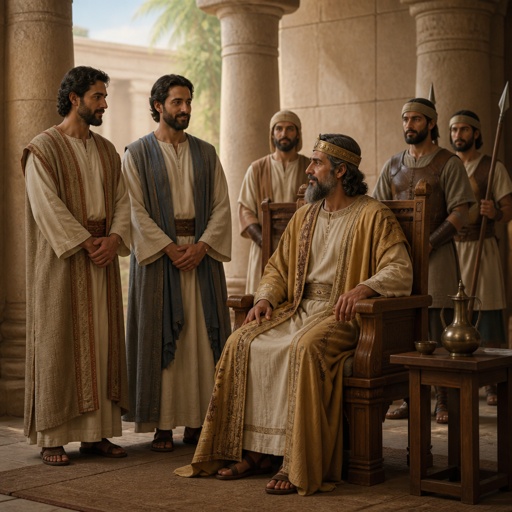
"And Azariah the son of Nathan was over the officers: and Zabud the son of Nathan was principal officer, and the king's friend:" - 1 Kings 4:5

"And Solomon sent to Hiram, saying," - 1 Kings 5:2

1 Kings 4:1 - "So king Solomon was king over all Israel."

Acts 1:4-5

1 Kings 4:4 - "And Benaiah the son of Jehoiada was over the host: and Zadok and Abiathar were the priests:"

1 Kings 1:4 - "And the damsel was very fair, and cherished the king, and ministered to him: but the king knew her not."

1 Kings 4:18 - "Shimei the son of Elah, in Benjamin:"

Exodus 4:1-5

1 Kings 16:5 - "Now the rest of the acts of Baasha, and what he did, and his might, are they not written in the book of the chronicles of the kings of Israel?"

1 Kings 4:17 - "Jehoshaphat the son of Paruah, in Issachar:"

1 Kings 4:8 - "And these are their names: The son of Hur, in mount Ephraim:"

1 Kings 4:14 - "Ahinadab the son of Iddo had Mahanaim:"

1 Kings 4:16 - "Baanah the son of Hushai was in Asher and in Aloth:"
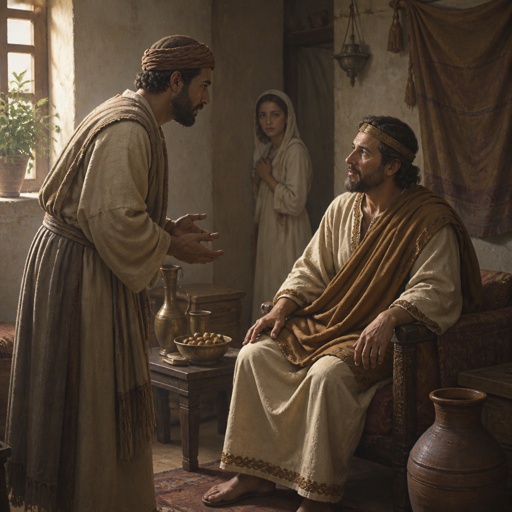
"And one went in, and told his lord, saying, Thus and thus said the maid that is of the land of Israel." - 2 Kings 5:4

Ephesians 4:1-5

Ephesians 4:1-5

Ephesians 4:1-5

Ephesians 4:1-5

Ephesians 4:1-5

Ephesians 4:1-5

Ephesians 4:1-5

Ephesians 4:1-5