What does 1 Kings 8:32 mean?
"Then hear thou in heaven, and do, and judge thy servants, condemning the wicked, to bring his way upon his head; and justifying the righteous, to give him according to his righteousness." - 1 Kings 8:32
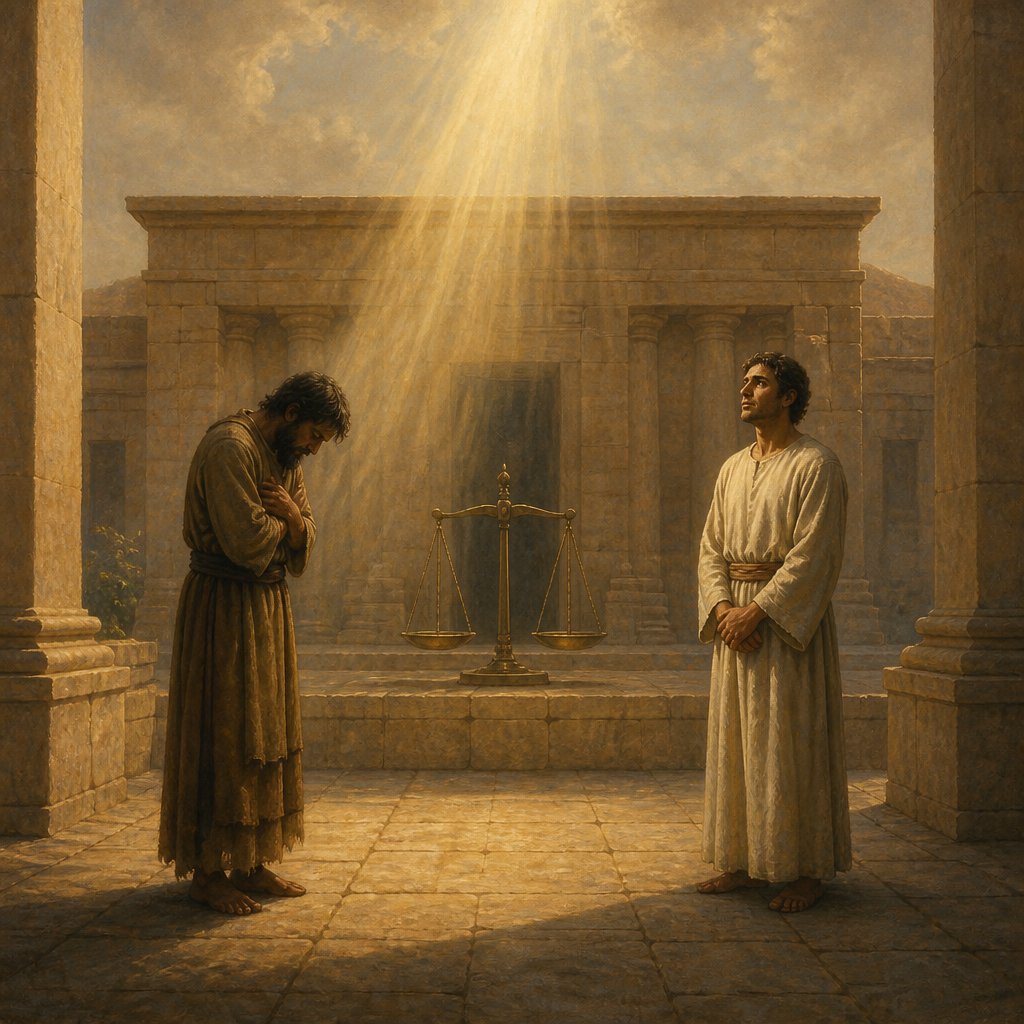
The verse 1 Kings 8:32 from the King James Version (KJV) states: "Then hear thou in heaven, and do, and judge thy servants, condemning the wicked, to bring his way upon his head; and justifying the righteous, to give him according to his righteousness."
This verse comes from the Old Testament, specifically from the book of 1 Kings. In this passage, King Solomon is praying to God during the dedication of the temple he had built in Jerusalem. Throughout his prayer, Solomon asks for God's forgiveness, mercy, and blessings for the Israelites. This particular verse is a plea for God to hear their prayers and to act justly by condemning the wicked and justifying the righteous.
The themes present in this verse are justice, righteousness, and God's sovereignty. Solomon's prayer reflects the belief in God as the ultimate judge who will bring justice to all. The verse also emphasizes the importance of living righteously and the expectation of receiving blessings or consequences according to one's actions.
The context of this verse is very significant in understanding its meaning. Solomon's prayer takes place during an important moment in Israel's history - the dedication of the temple. The construction of the temple symbolized the presence of God among his people and the fulfillment of his promise to dwell in the midst of Israel. Solomon's prayer reflects the spiritual significance of this event and the desire for God to continue to be present and active in the lives of the Israelites.
The symbolism in this verse is profound. The temple itself serves as a symbol of God's dwelling place and the central location for worship. Solomon's plea for God to hear in heaven and act serves as a symbol of a divine intervention and the power of God to bring justice and righteousness to the world. The dichotomy between the wicked and the righteous symbolizes the ongoing struggle between good and evil, and the hope for God to bring about ultimate judgment and vindication.
This verse also highlights the nature of God as a just and righteous judge. It reinforces the belief that God will ultimately bring justice to the world and that the righteous will be rewarded while the wicked will face condemnation. This understanding of God's justice and righteousness is a central theme throughout the Bible and is reflected in both the Old and New Testaments.
In conclusion, 1 Kings 8:32 from the KJV is a powerful verse that reflects the themes of justice, righteousness, and the belief in God as the ultimate judge. It is situated within the context of Solomon's prayer during the dedication of the temple, which gives it deep spiritual and historical significance. The symbolism in this verse underscores the importance of God's presence and intervention in the world, as well as the hope for ultimate justice and vindication for the righteous. Overall, this verse serves as a reminder of the unwavering belief in God's righteousness and his power to bring justice to all.
Have questions about 1 Kings 8:32?
Dive deeper into this scripture with Bible Chat — an AI-powered tool for exploring God's Word through conversation. Ask questions, get context, and grow in your understanding of the Bible.
Get Our Apps


1 Kings 8:32 Artwork

1 Kings 8:32 - "Then hear thou in heaven, and do, and judge thy servants, condemning the wicked, to bring his way upon his head; and justifying the righteous, to give him according to his righteousness."
"Then hear thou in heaven, and do, and judge thy servants, condemning the wicked, to bring his way upon his head; and justifying the righteous, to give him according to his righteousness." - 1 Kings 8:32

1 Kings 11:29-32

1 Kings 15:32 - "And there was war between Asa and Baasha king of Israel all their days."

1 Kings 1:32 - "¶ And king David said, Call me Zadok the priest, and Nathan the prophet, and Benaiah the son of Jehoiada. And they came before the king."

1 Kings 4:32 - "And he spake three thousand proverbs: and his songs were a thousand and five."

1 Kings 8:6-8

1 Kings 8:10

1 Kings 8:21

1 Kings 8:21

1 Kings 8:10

1 kings 8:7

1 Kings 8:10

1 Kings 8:10

1 Kings 8:7

1 Kings 8:21

1 Kings 8:10

1 Kings 8:10

1 kings 8:7

1 Kings 8:22

1 Kings 8:21

1 Kings 8:10

1 Kings 16:32 - "And he reared up an altar for Baal in the house of Baal, which he had built in Samaria."

1 Chronicles 8:32 - "And Mikloth begat Shimeah. And these also dwelt with their brethren in Jerusalem, over against them."

1 Kings 7:32 - "And under the borders were four wheels; and the axletrees of the wheels were joined to the base: and the height of a wheel was a cubit and half a cubit."

1 Kings 18:32 - "And with the stones he built an altar in the name of the LORD: and he made a trench about the altar, as great as would contain two measures of seed."

"And there was war between Asa and Baasha king of Israel all their days." - 1 Kings 15:32

1 Kings 22:32 - "And it came to pass, when the captains of the chariots saw Jehoshaphat, that they said, Surely it is the king of Israel. And they turned aside to fight against him: and Jehoshaphat cried out."

Matthew 8:32

1 Kings 4:8 - "And these are their names: The son of Hur, in mount Ephraim:"