What does 1 Kings 8:36 mean?
“Then hear thou in heaven, and forgive the sin of thy servants, and of thy people Israel, that thou teach them the good way wherein they should walk, and give rain upon thy land, which thou hast given to thy people for an inheritance.” — 1 Kings 8:36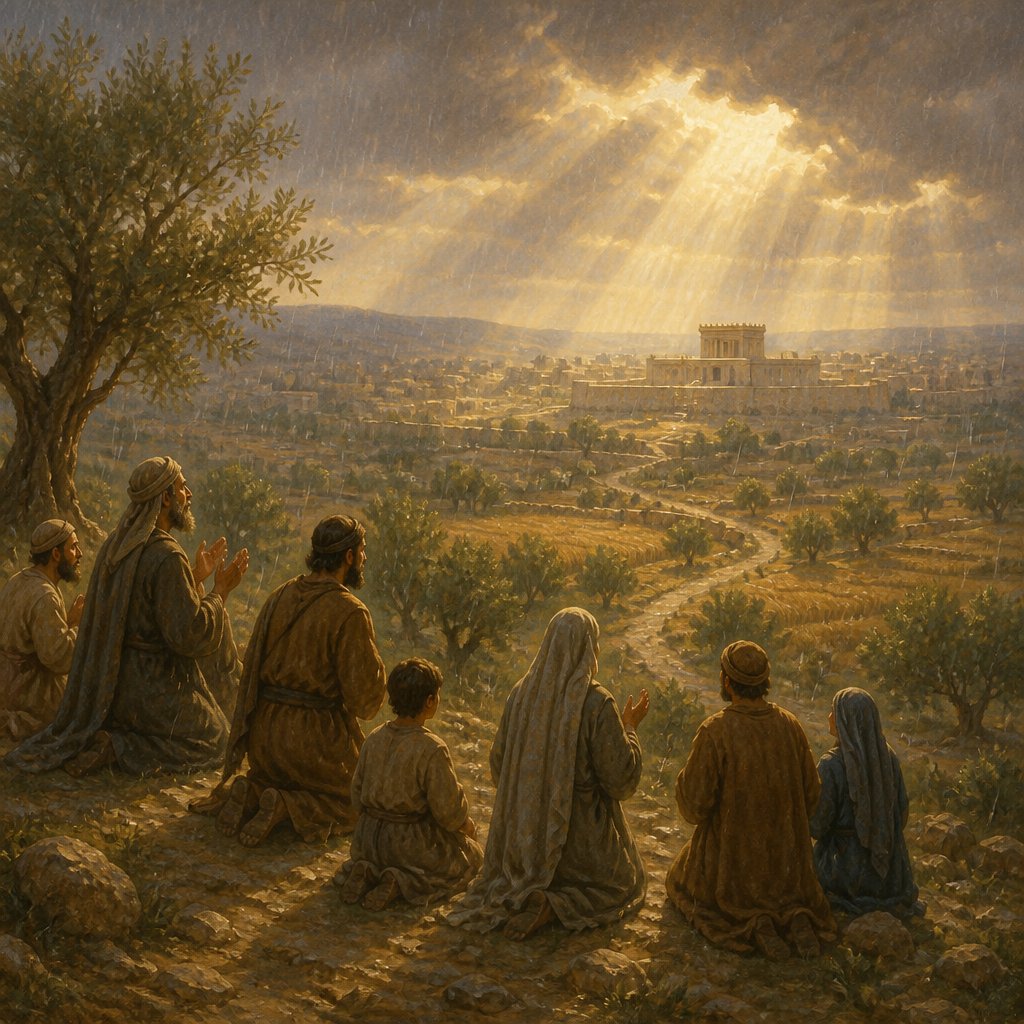
The verse 1 Kings 8:36 from the King James Version of the Bible reads, "Then hear thou in heaven, and forgive the sin of thy servants, and of thy people Israel, that thou teach them the good way wherein they should walk, and give rain upon thy land, which thou hast given to thy people for an inheritance."
This verse is taken from the prayer of King Solomon at the dedication of the temple in Jerusalem. In this prayer, Solomon is making a request to God to hear the prayers of the people, forgive their sins, and teach them the good way in which they should walk. He also asks for rain upon the land that God has given to the Israelites as their inheritance. This verse encapsulates several important themes and ideas that are central to the Old Testament and the faith of the Israelites.
One of the key themes in this verse is the concept of forgiveness. Solomon acknowledges the sinful nature of the people of Israel and asks for God's forgiveness on their behalf. This demonstrates the importance of repentance and seeking forgiveness in the Judeo-Christian tradition. It also reflects the belief that God is merciful and compassionate, willing to forgive those who seek his pardon.
Another significant theme in this verse is the idea of guidance and instruction. Solomon asks God to teach the people the good way in which they should walk. This reflects the belief in the importance of God's guidance and wisdom in leading a righteous and holy life. It also suggests the recognition of human fallibility and the need for divine intervention and guidance in order to live according to God's will.
The request for rain upon the land is also symbolic of the Israelites' dependence on God for sustenance and provision. In the ancient Near East, including the land of Israel, rain was vital for agriculture and the well-being of the people. By asking for rain, Solomon is acknowledging God as the ultimate source of life and sustenance, and demonstrating the Israelites' reliance on God for their survival and prosperity.
In its broader context, this verse is part of the dedication of Solomon's temple, a pivotal moment in the history of Israel. The temple was not only a physical structure but also a symbol of God's dwelling place among his people. The prayer of dedication reflects the deep reverence and devotion that the Israelites had for God and their desire for his presence and favor to be with them.
The verse also provides insight into the theology of the Old Testament, emphasizing the importance of obedience to God's commands, the need for forgiveness and restoration, and the belief in God as the sole provider and sustainer of life. These themes are woven throughout the biblical narrative and continue to be central to the beliefs and practices of the Judeo-Christian tradition.
In conclusion, 1 Kings 8:36 is a powerful and meaningful verse that encapsulates key themes and ideas central to the Old Testament and the faith of the Israelites. It reflects the concepts of forgiveness, guidance, reliance on God, and the theology of the temple. It also provides valuable insights into the Judeo-Christian tradition and the foundational beliefs that continue to shape the faith of millions of people around the world.
Get our apps


Artwork for 1 Kings 8:36

1 Kings 8:36 - "Then hear thou in heaven, and forgive the sin of thy servants, and of thy people Israel, that thou teach them the good way wherein they should walk, and give rain upon thy land, which thou hast given to thy people for an inheritance."
"Then hear thou in heaven, and forgive the sin of thy servants, and of thy people Israel, that thou teach them the good way wherein they should walk, and give rain upon thy land, which thou hast given to thy people for an inheritance." - 1 Kings 8:36

Elijah in the scene 1 Kings 18:36–38

1 Kings 1:36 - "And Benaiah the son of Jehoiada answered the king, and said, Amen: the LORD God of my lord the king say so too."

1 Kings 6:36 - "¶ And he built the inner court with three rows of hewed stone, and a row of cedar beams."

2 Kings 19:36 - "So Sennacherib king of Assyria departed, and went and returned, and dwelt at Nineveh."

1 Kings 8:6-8

1 Kings 8:10

1 Kings 8:21

1 Kings 8:10

1 Kings 8:10

1 Kings 8:21

1 kings 8:7

1 Kings 8:7

1 Kings 8:10

1 Kings 8:21

1 Kings 8:10

1 Chronicles 8:36 - "And Ahaz begat Jehoadah; and Jehoadah begat Alemeth, and Azmaveth, and Zimri; and Zimri begat Moza,"

2 Chronicles 36:8 - "Now the rest of the acts of Jehoiakim, and his abominations which he did, and that which was found in him, behold, they are written in the book of the kings of Israel and Judah: and Jehoiachin his son reigned in his stead."

1 Kings 8:10

1 kings 8:7

1 Kings 8:22

1 Kings 8:21

1 Kings 8:10

1 Kings 2:36 - "¶ And the king sent and called for Shimei, and said unto him, Build thee an house in Jerusalem, and dwell there, and go not forth thence any whither."
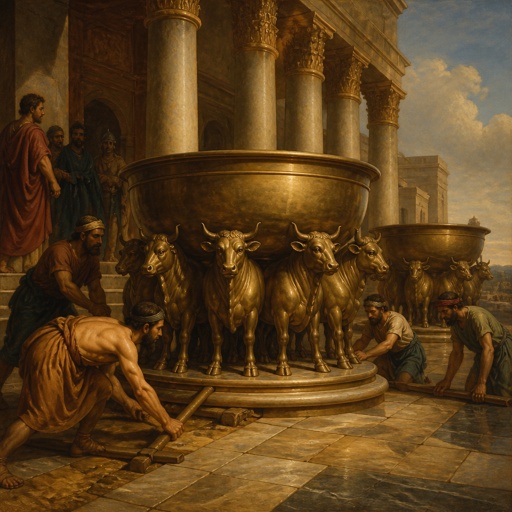
1 kings 7:8

1 Kings 7:36 - "For on the plates of the ledges thereof, and on the borders thereof, he graved cherubims, lions, and palm trees, according to the proportion of every one, and additions round about."

1 Kings 22:36 - "And there went a proclamation throughout the host about the going down of the sun, saying, Every man to his city, and every man to his own country."

1 Kings 4:8 - "And these are their names: The son of Hur, in mount Ephraim:"

2 kings 9:34-36