What does 1 Peter 2:10 mean?
“Which in time past were not a people, but are now the people of God: which had not obtained mercy, but now have obtained mercy.” — 1 Peter 2:10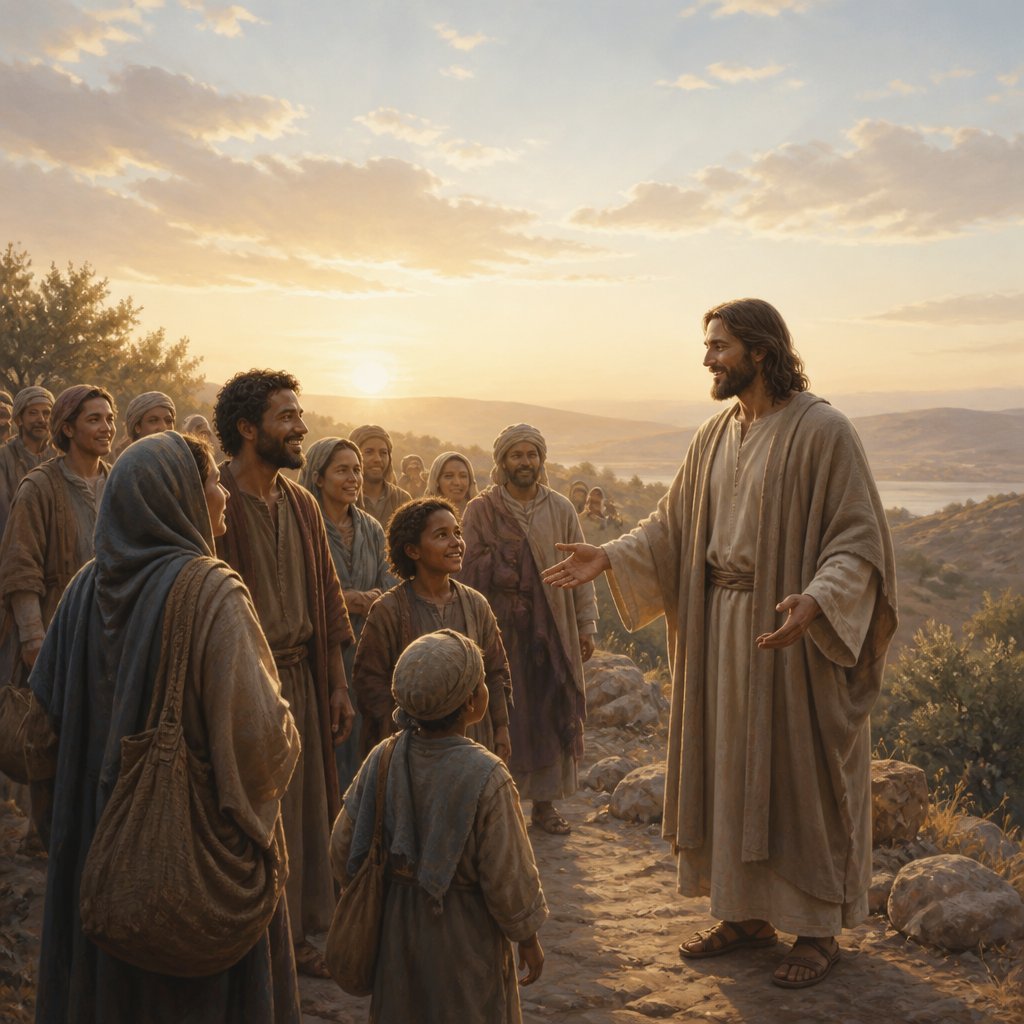
1 Peter 2:10 (KJV) says, "Which in time past were not a people, but are now the people of God: which had not obtained mercy, but now have obtained mercy."
This verse is an essential part of understanding the broader message of 1 Peter, which emphasizes the Christian's identity as a chosen and holy people, and the need to live in a way that reflects this identity in the world. In this particular verse, Peter is highlighting the transformation that has taken place in the lives of the believers he is addressing. He contrasts their former state as "not a people" and "not obtaining mercy" with their current state as "the people of God" who have "obtained mercy."
The theme of identity is central to this verse. Peter is reminding the believers of their spiritual heritage and their status as God's chosen people. By using the term "the people of God," Peter is alluding to the Old Testament concept of Israel as God's chosen nation. However, Peter extends this designation to include all believers, both Jewish and Gentile, who have embraced the gospel of Jesus Christ. This message would have been particularly significant for the Gentile believers, who may have felt excluded from God's promises in the past. Peter is affirming that through their faith in Christ, they have been included in God's redemptive plan and are now part of the chosen people.
The verse also touches on the theme of God's mercy. The statement that the believers "had not obtained mercy, but now have obtained mercy" speaks to the transformative power of God's grace. In their former state of spiritual darkness and separation from God, they were without mercy. But through the redemptive work of Christ, they have received God's mercy and forgiveness. This highlights the profound change that has taken place in their lives and underscores the importance of God's mercy in their new identity as the people of God.
This verse also carries a broader theological significance in the context of the New Testament. It reflects the inclusion of the Gentiles in God's plan of redemption, a theme that is central to the writings of the apostle Paul as well. Throughout the New Testament, there is a consistent emphasis on the unity of Jewish and Gentile believers in the body of Christ. This verse in 1 Peter serves as a powerful affirmation of this unity and the shared identity of all believers as the people of God.
In terms of symbolism, the contrast between being "not a people" and "the people of God" can be seen as a symbol of the believer's transformation from spiritual alienation to being part of God's family. This transformation is made possible through the mercy and grace of God, symbolized by the believers' transition from "not obtaining mercy" to "obtaining mercy." This symbolism reinforces the theme of identity and highlights the believer's new status as a chosen and redeemed member of the community of faith.
In conclusion, 1 Peter 2:10 is a powerful reminder of the believer's identity as the people of God and the transformative impact of God's mercy in their lives. It speaks to the broader themes of inclusion, unity, and the redemptive work of Christ, and carries a message of hope and assurance for all who embrace the gospel. This verse serves as a potent expression of the believer's new identity and their profound connection to the story of God's redemptive work in the world.
Get our apps


Artwork for 1 Peter 2:10

1 Peter 2:10 - "Which in time past were not a people, but are now the people of God: which had not obtained mercy, but now have obtained mercy."
"Which in time past were not a people, but are now the people of God: which had not obtained mercy, but now have obtained mercy." - 1 Peter 2:10

1 Peter 2:5

1 Peter 2:5

1 Peter 2:5

1 Peter 2:5

1 Peter 2:5

1 Peter 2:5

1 Peter 2:20-21

2 Peter 1:10 - "Wherefore the rather, brethren, give diligence to make your calling and election sure: for if ye do these things, ye shall never fall:"

1 Peter 4:10

1 Peter 4:10

2 Peter 3:10 – "But the day of the Lord will come like a thief. The heavens will disappear with a roar."

2 Peter 2:9

2 Peter 2:9

1 Peter 2:3 - "If so be ye have tasted that the Lord is gracious."

1 Peter 2:22 - "Who did no sin, neither was guile found in his mouth:"

1 Peter 2:17 - "Honour all men. Love the brotherhood. Fear God. Honour the king."

2 Peter 2:10 - "But chiefly them that walk after the flesh in the lust of uncleanness, and despise government. Presumptuous are they, selfwilled, they are not afraid to speak evil of dignities."

1 Peter 1:10 - "Of which salvation the prophets have enquired and searched diligently, who prophesied of the grace that should come unto you:"

2 Peter 1:1 - "Simon Peter, a servant and an apostle of Jesus Christ, to them that have obtained like precious faith with us through the righteousness of God and our Saviour Jesus Christ:"

1 Peter 2:2 - "As newborn babes, desire the sincere milk of the word, that ye may grow thereby:"

2 Peter 1:10-11 - "Therefore, my brothers and sisters, make every effort to confirm your calling and election. For if you do these things, you will never stumble, and you will receive a rich welcome into the eternal kingdom of our Lord and Savior Jesus Christ."

Matthew 10:2…Matthew 10:2 These are the names of the twelve apostles: first, Simon (who is called Peter) and his brother Andrew; James son of Zebedee, and his brother John

1 Peter 2:1 - "Wherefore laying aside all malice, and all guile, and hypocrisies, and envies, and all evil speakings,"

1 Peter 2:4 - "To whom coming, as unto a living stone, disallowed indeed of men, but chosen of God, and precious,"

1 Peter 2:11 - "Dearly beloved, I beseech you as strangers and pilgrims, abstain from fleshly lusts, which war against the soul;"

1 Peter 2:13 - "Submit yourselves to every ordinance of man for the Lord's sake: whether it be to the king, as supreme;"

1 Peter 2:16 - "As free, and not using your liberty for a cloke of maliciousness, but as the servants of God."

2 Peter 1:6 - "And to knowledge temperance; and to temperance patience; and to patience godliness;"