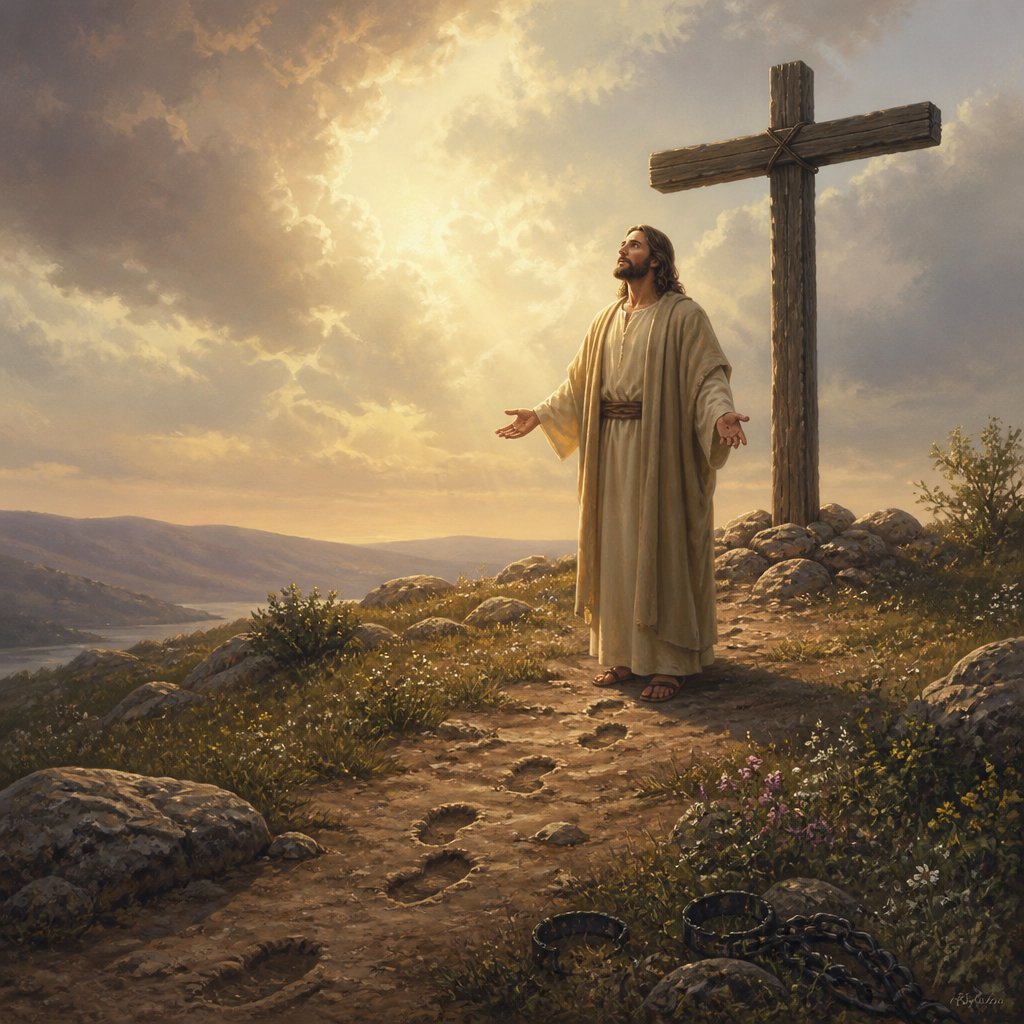
1 Peter 2:21-24 (KJV) states, "For even hereunto were ye called: because Christ also suffered for us, leaving us an example, that ye should follow his steps: Who did no sin, neither was guile found in his mouth: Who, when he was reviled, reviled not again; when he suffered, he threatened not; but committed himself to him that judgeth righteously: Who his own self bare our sins in his own body on the tree, that we, being dead to sins, should live unto righteousness: by whose stripes ye were healed."
This passage from the book of 1 Peter contains important teachings and insights into the Christian faith. It emphasizes the idea of Christ's suffering and sacrifice, and the significance of following in his footsteps. Through a detailed commentary on this verse, we can gain a deeper understanding of its themes, context, and symbolism.
Context:
First, let us consider the historical and cultural context in which the book of 1 Peter was written. The author, the apostle Peter, wrote this letter to the persecuted Christian believers in Asia Minor (modern-day Turkey) around the early 60s AD. These believers were facing intense persecution and social ostracism for their faith in Christ. In this context, Peter sought to encourage and strengthen them in their faith, reminding them of the hope and salvation found in Christ.
Themes:
The passage in 1 Peter 2:21-24 addresses several important themes that are central to the Christian faith. One of the primary themes is the suffering and example of Christ. Peter highlights the fact that Christ suffered for humanity, leaving behind an example for believers to emulate. This points to the idea of imitating Christ's selfless love, patience, and willingness to endure suffering for the sake of others. It also emphasizes the concept of following Christ's teachings and righteous way of life.
Another vital theme in this passage is the atonement and redemption through Christ's sacrifice. It speaks to the belief that Jesus, who was without sin, willingly bore the sins of humanity on the cross. Through his sacrificial death, believers can be reconciled to God and live a life of righteousness. This ties in with the overarching theme of salvation, as it underscores the transformative power of Christ's redemptive work in the lives of believers.
Furthermore, the passage also addresses the idea of forgiveness and non-retaliation. It emphasizes Christ's response to suffering, as he did not retaliate or seek revenge despite being unjustly treated. Instead, he entrusted himself to God, who judges justly. This serves as a model for believers to respond to mistreatment with grace, forgiveness, and a steadfast trust in God's sovereignty.
Symbolism:
The symbolic imagery in this passage is potent and rich with meaning. The reference to Christ bearing our sins in his own body on the tree evokes the powerful symbolism of the cross. The cross represents the ultimate act of love and sacrifice, as well as the means by which sin and death were conquered. It is through the atoning work of Christ on the cross that believers are granted forgiveness and healing from the effects of sin.
The imagery of Christ's stripes and wounds also carries profound symbolism. It symbolizes the physical and emotional pain that Christ endured for the sake of humanity, as well as the healing and restoration that believers receive through his suffering. This imagery serves as a poignant reminder of the depth of Christ's love and the extent of his redemptive work on behalf of mankind.
Overall, 1 Peter 2:21-24 encapsulates the foundational teachings of the Christian faith, emphasizing the themes of Christ's suffering and example, atonement and redemption, and forgiveness and non-retaliation. The richness of the biblical symbolism in this passage serves to deepen the spiritual significance of Christ's sacrifice and the implications for believers' lives. It calls for a life of following in Christ's footsteps, imitating his love and humility, and living in the freedom and righteousness that his sacrifice has made possible.
Get our apps


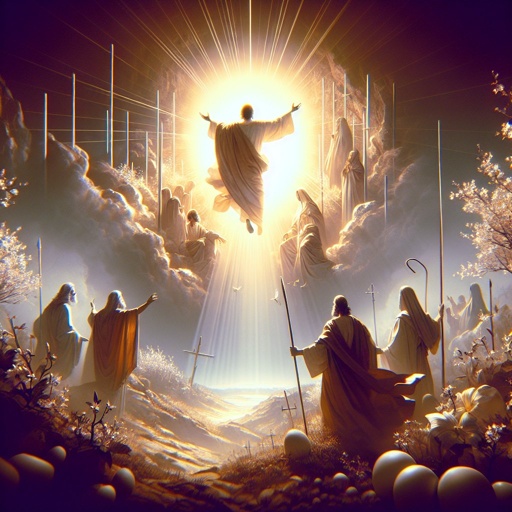
Artwork for 1 Peter 2:21-24
"For to this you have been called, because Christ also suffered for you, leaving you an example, so that you might follow in his steps. He committed no sin, neither was deceit found in his mouth. When he was reviled, he did not revile in return; when he suffered, he did not threaten, but continued entrusting himself to him who judges justly. He himself bore our sins in his body on the tree, that we might die to sin and live to righteousness. By his wounds you have been healed." - 1 Peter 2:21-24

1 Peter 2:4 - "To whom coming, as unto a living stone, disallowed indeed of men, but chosen of God, and precious,"

1 Peter 2:1 - "Wherefore laying aside all malice, and all guile, and hypocrisies, and envies, and all evil speakings,"

1 Peter 2:21 - "For even hereunto were ye called: because Christ also suffered for us, leaving us an example, that ye should follow his steps:"

1 Peter 2:20-21

"Wherefore laying aside all malice, and all guile, and hypocrisies, and envies, and all evil speakings," - 1 Peter 2:1

2 Peter 1:21 - "For the prophecy came not in old time by the will of man: but holy men of God spake as they were moved by the Holy Ghost."

"To whom coming, as unto a living stone, disallowed indeed of men, but chosen of God, and precious," - 1 Peter 2:4

1 Peter 1:24-25
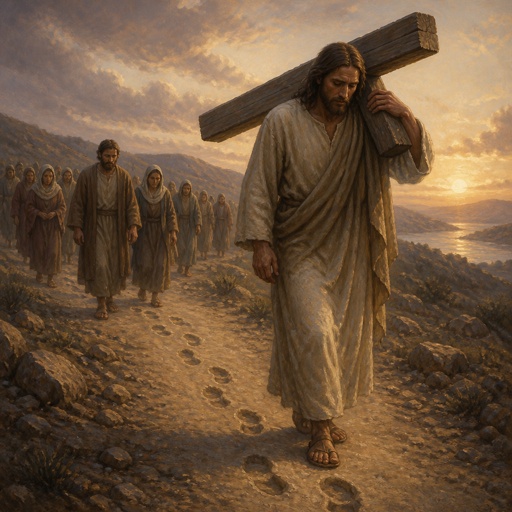
"For even hereunto were ye called: because Christ also suffered for us, leaving us an example, that ye should follow his steps:" - 1 Peter 2:21

1 Peter 2:5

1 Peter 2:5

1 Peter 2:5

1 Peter 2:5

1 Peter 2:5

1 Peter 2:5

1 Peter 2:4-5 - "As you come to him, the living Stone—rejected by humans but chosen by God and precious to him— you also, like living stones, are being built into a spiritual house to be a holy priesthood, offering spiritual sacrifices acceptable to God through Jesus Christ."

"Who his own self bare our sins in his own body on the tree, that we, being dead to sins, should live unto righteousness: by whose stripes ye were healed." - 1 Peter 2:24

1 Peter 2:24 - "Who his own self bare our sins in his own body on the tree, that we, being dead to sins, should live unto righteousness: by whose stripes ye were healed."

1 Peter 1:24 - "For all flesh is as grass, and all the glory of man as the flower of grass. The grass withereth, and the flower thereof falleth away:"

2 Peter 2:9

2 Peter 2:9

Luke 21:24

1 Peter 2:3 - "If so be ye have tasted that the Lord is gracious."

1 Peter 2:22 - "Who did no sin, neither was guile found in his mouth:"

1 Peter 2:17 - "Honour all men. Love the brotherhood. Fear God. Honour the king."

2 Peter 2:21 - "For it had been better for them not to have known the way of righteousness, than, after they have known it, to turn from the holy commandment delivered unto them."

John 21:2 - "There were together Simon Peter, and Thomas called Didymus, and Nathanael of Cana in Galilee, and the sons of Zebedee, and two other of his disciples."
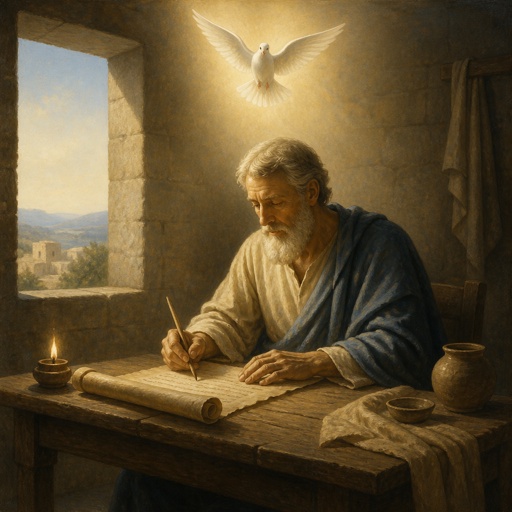
"For the prophecy came not in old time by the will of man: but holy men of God spake as they were moved by the Holy Ghost." - 2 Peter 1:21
1 Peter 1:21 - "Who by him do believe in God, that raised him up from the dead, and gave him glory; that your faith and hope might be in God."