What does 1 Peter 3:21-22 mean?
“The like figure whereunto even baptism doth also now save us ( not the putting away of the filth of the flesh, but the answer of a good conscience toward God,) by the resurrection of Jesus Christ: Who is gone into heaven, and is on the right hand of God; angels and authorities and powers being made subject unto him.” — 1 Peter 3:21-22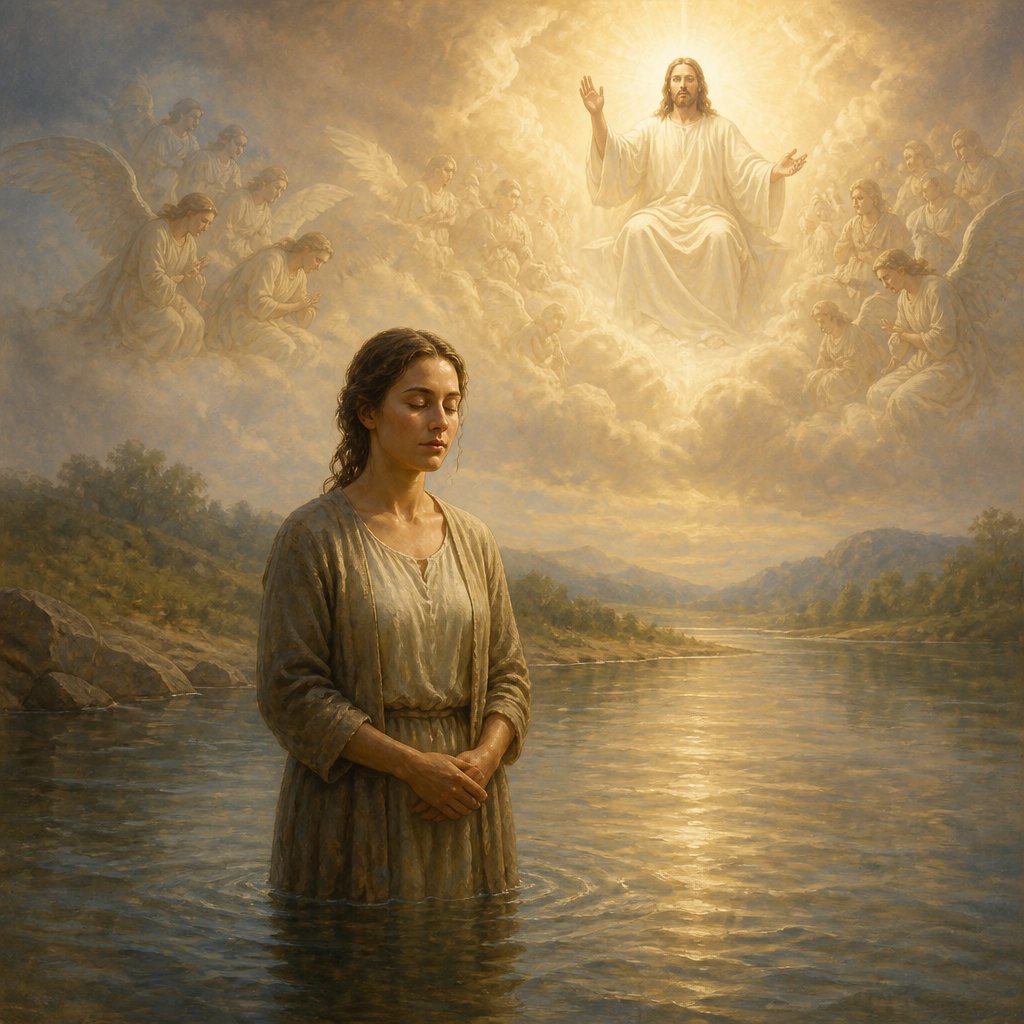
1 Peter 3:21-22 (KJV) states, "The like figure whereunto even baptism doth also now save us (not the putting away of the filth of the flesh, but the answer of a good conscience toward God,) by the resurrection of Jesus Christ: Who is gone into heaven, and is on the right hand of God; angels and authorities and powers being made subject unto him."
This passage from the first epistle of Peter presents a complex theological concept regarding the significance of baptism and the exaltation of Jesus Christ. It invites a deeper exploration into the nature of salvation and the authority of Christ, unveiling meaningful themes that are foundational to Christian faith and practice. By examining the context, themes, and symbolism within these verses, we can gain a richer understanding of their profound implications for believers.
Contextually, 1 Peter was written by the apostle Peter to encourage and strengthen the early Christian communities who were enduring persecution and facing various trials. The epistle addresses issues related to suffering for righteousness' sake, the imitation of Christ's example, and the hope of the coming salvation. In the preceding verses, Peter discusses the symbolism of the ark and the saving of Noah and his family through water, drawing parallels to the act of baptism as a symbol of salvation. This sets the stage for the exploration of baptism in the subsequent verses.
The verse speaks to the significance of baptism in the Christian faith, affirming its association with salvation. It emphasizes that baptism is not merely a ritual for the removal of physical dirt or impurities, but rather, it represents the inward transformation of the conscience before God. This aligns with the broader biblical teaching that baptism is a public declaration of one's faith and a participation in the death and resurrection of Jesus Christ. Just as Noah and his family were saved from the floodwaters, believers are symbolically saved through the waters of baptism, not by the physical act itself, but by the power of Jesus' resurrection and the cleansing of their hearts and consciences.
The passage also delves into the exaltation and authority of Jesus Christ. It declares that Jesus, after his resurrection, ascended into heaven and now sits at the right hand of God, signifying his supreme authority and rulership. This resonates with the theme of Christ's lordship and sovereignty, highlighting his triumph over sin, death, and all spiritual powers. The mention of angels, authorities, and powers being made subject to him reinforces the idea of Christ's ultimate dominion and the submission of all created beings to his divine authority.
Symbolically, the water of baptism represents not only purification and cleansing but also a spiritual rebirth and newness of life. It signifies the believer's identification with Christ's death, burial, and resurrection, as well as their incorporation into his body, the church. Furthermore, the image of Jesus seated at the right hand of God carries profound symbolism, depicting his exalted status and role as the divine mediator between God and humanity. It underscores the intercessory work of Christ and his ongoing reign as the exalted King and High Priest, interceding on behalf of believers and exercising authority over all spiritual forces.
In conclusion, 1 Peter 3:21-22 offers a comprehensive reflection on the theological significance of baptism and the exaltation of Jesus Christ. It underscores the transformative power of baptism as a symbol of salvation and the renewal of one's conscience before God. Additionally, it reaffirms the authoritative position of Jesus Christ, emphasizing his triumph over all spiritual powers and his sovereign reign as the exalted Lord. This passage serves as a source of spiritual encouragement and a contemplation of the profound truths that underpin the Christian faith, inviting believers to embrace the symbolism and reality of their baptism and to affirm their allegiance to the reign of Christ in their lives.
Get our apps


Artwork for 1 Peter 3:21-22

1 Peter 3:21-22 - "And this water symbolizes baptism that now saves you also—not the removal of dirt from the body but the pledge of a clear conscience toward God. It saves you by the resurrection of Jesus Christ, who has gone into heaven and is at God’s right hand—with angels, authorities and powers in submission to him."
"And this water symbolizes baptism that now saves you also—not the removal of dirt from the body but the pledge of a clear conscience toward God. It saves you by the resurrection of Jesus Christ, who has gone into heaven and is at God’s right hand—with angels, authorities and powers in submission to him." - 1 Peter 3:21-22
1 Peter 3:21 - "The like figure whereunto even baptism doth also now save us (not the putting away of the filth of the flesh, but the answer of a good conscience toward God,) by the resurrection of Jesus Christ:"

1 Peter 3:22 - "Who is gone into heaven, and is on the right hand of God; angels and authorities and powers being made subject unto him."

1 Peter 2:20-21

1 Peter 3:22 who has gone into heaven and is at the right hand of God, angels and authorities and powers having been made subject to Him.

I Peter 1:3

1 Peter 2:22 - "Who did no sin, neither was guile found in his mouth:"

1 Peter 3:2 - "While they behold your chaste conversation coupled with fear."
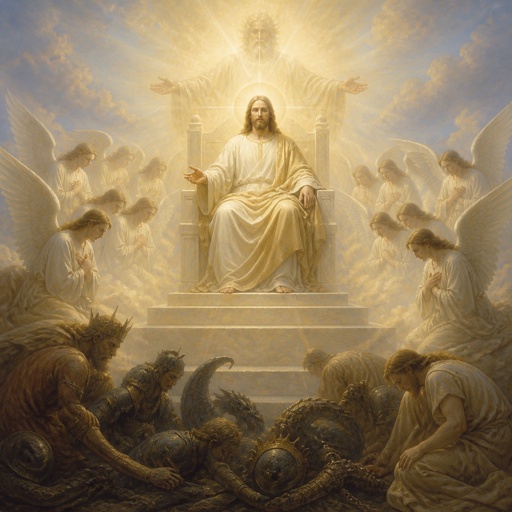
"Who is gone into heaven, and is on the right hand of God; angels and authorities and powers being made subject unto him." - 1 Peter 3:22

1 Peter 3:3 - "Whose adorning let it not be that outward adorning of plaiting the hair, and of wearing of gold, or of putting on of apparel;"

1 Peter 3:19 - "By which also he went and preached unto the spirits in prison;"

1 Peter 2:3 - "If so be ye have tasted that the Lord is gracious."

"While they behold your chaste conversation coupled with fear." - 1 Peter 3:2
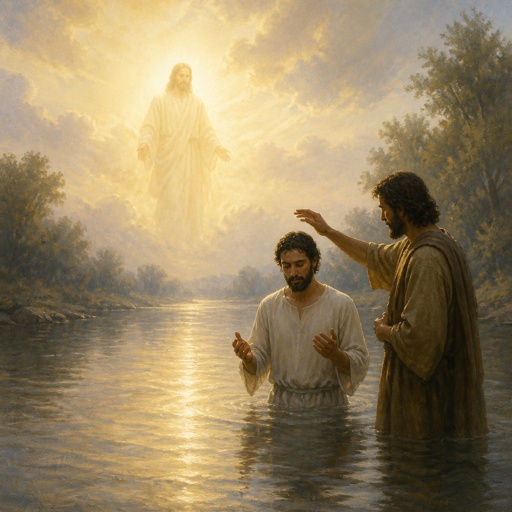
"The like figure whereunto even baptism doth also now save us (not the putting away of the filth of the flesh, but the answer of a good conscience toward God,) by the resurrection of Jesus Christ:" - 1 Peter 3:21

Acts 1:21-22

2 Peter 1:21 - "For the prophecy came not in old time by the will of man: but holy men of God spake as they were moved by the Holy Ghost."

Acts 1:21-22

1 Peter 3:11 - "Let him eschew evil, and do good; let him seek peace, and ensue it."
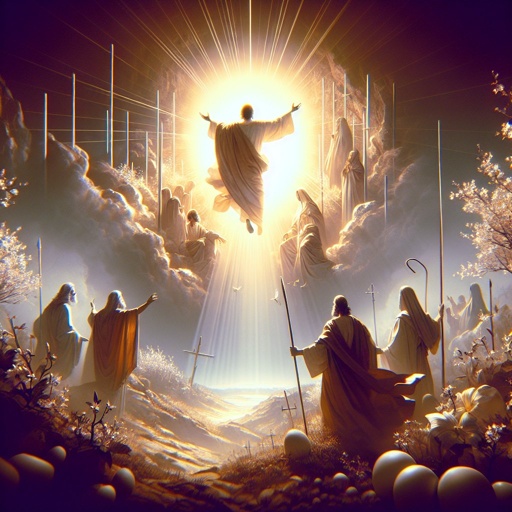
1 Peter 1:21 - "Who by him do believe in God, that raised him up from the dead, and gave him glory; that your faith and hope might be in God."

1 Peter 3:13 - "And who is he that will harm you, if ye be followers of that which is good?"

1 Peter 5:3 - "Neither as being lords over God's heritage, but being ensamples to the flock."

"Seeing ye have purified your souls in obeying the truth through the Spirit unto unfeigned love of the brethren, see that ye love one another with a pure heart fervently:" - 1 Peter 1:22
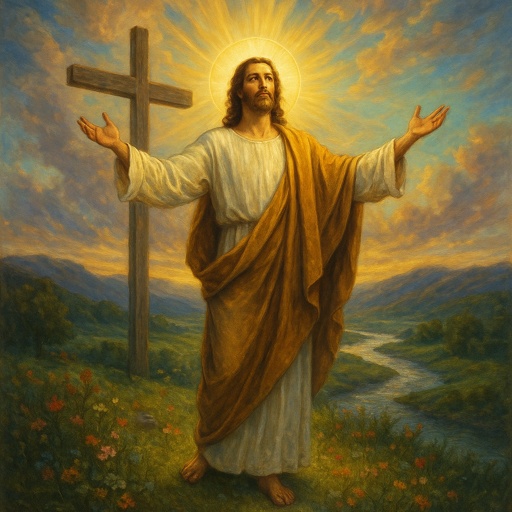
"Who by him do believe in God, that raised him up from the dead, and gave him glory; that your faith and hope might be in God." - 1 Peter 1:21

John 21:3 - "Simon Peter saith unto them, I go a fishing. They say unto him, We also go with thee. They went forth, and entered into a ship immediately; and that night they caught nothing."

1 Peter 3:14 - "But and if ye suffer for righteousness' sake, happy are ye: and be not afraid of their terror, neither be troubled;"

1 Peter 3:17 - "For it is better, if the will of God be so, that ye suffer for well doing, than for evil doing."

1 John 3:21-22 - "Beloved, if our heart does not condemn us, we have confidence before God; and whatever we ask we receive from Him, because we keep His commandments and do the things that are pleasing in His sight."

1 Peter 3:8 - "Finally, be ye all of one mind, having compassion one of another, love as brethren, be pitiful, be courteous:"

Acts 3:1 - "Now Peter and John went up together into the temple at the hour of prayer, being the ninth hour."