What does 1 Samuel 13:23 mean?
“And the garrison of the Philistines went out to the passage of Michmash.” — 1 Samuel 13:23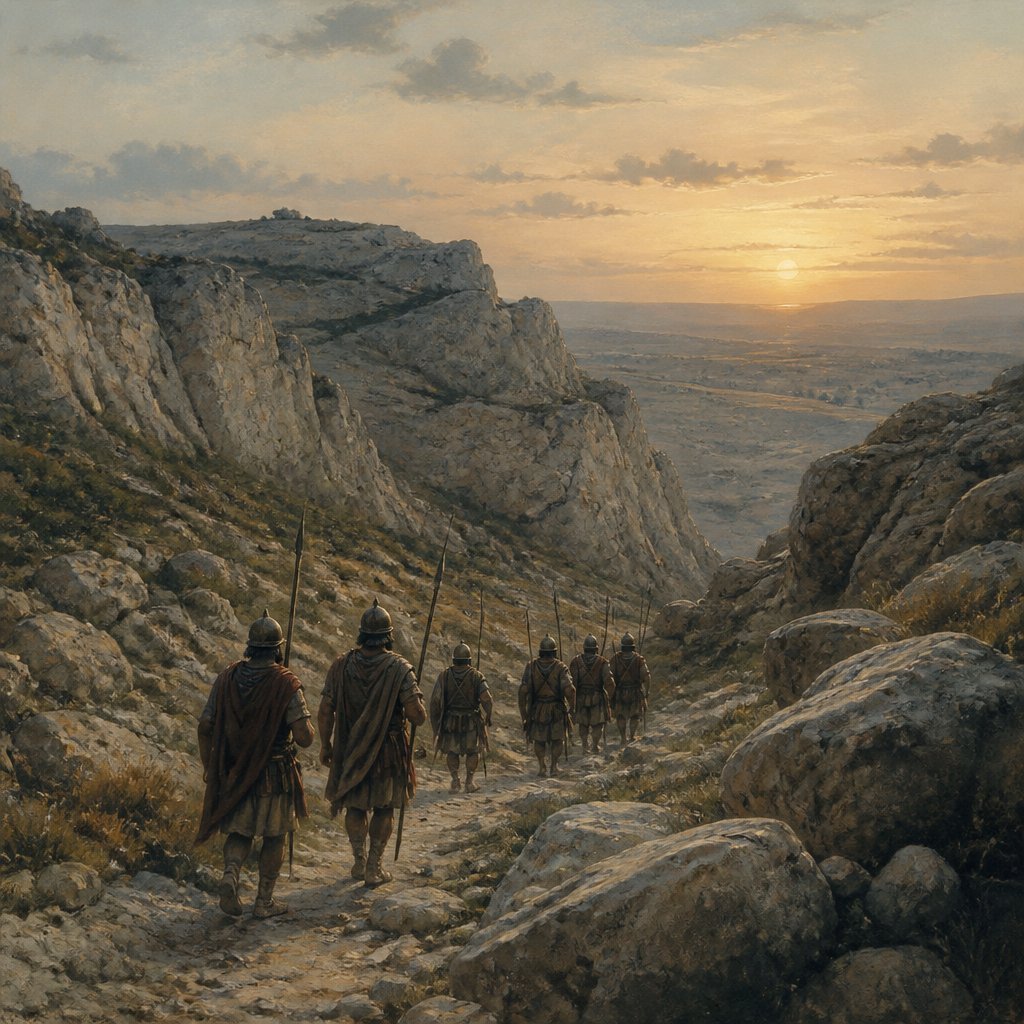
The Bible verse 1 Samuel 13:23 in the King James Version (KJV) states: "And the garrison of the Philistines went out to the passage of Michmash." This verse comes from the Old Testament, particularly the book of 1 Samuel, which chronicles the establishment of the Israelite monarchy and the reigns of its first two kings, Saul and David.
The context of 1 Samuel 13:23 is important for understanding its significance in the broader narrative of the book. At this point in the story, Saul had been anointed as the first king of Israel and had already shown himself to be a capable leader in the early part of his reign. However, Saul's leadership was soon put to the test when the Philistines, a neighboring enemy nation, gathered a large force to wage war against the Israelites.
The verse specifically mentions the garrison of the Philistines going out to the passage of Michmash. Michmash was a strategic location in the region, and the Philistines likely intended to use it as a base for launching an attack on the Israelites. This situation would have undoubtedly posed a significant threat to the security and well-being of the Israelite people, and it was a crucial moment for Saul as he faced the challenge of defending his kingdom.
The themes present in this verse include the constant threat of conflict and the need for strong leadership in times of crisis. The Philistine garrison's movement towards Michmash symbolizes the ever-present dangers and challenges that the Israelites faced from external enemies. Additionally, the passage highlights the importance of strategic military decisions and the potential consequences of failing to adequately respond to such threats.
Furthermore, the verse can also be interpreted as a broader metaphor for the spiritual battles and struggles that individuals face in their own lives. Just as the Israelites were confronted with the physical presence of their enemies, people often encounter spiritual and emotional obstacles that must be overcome. In this sense, the passage of Michmash can represent the moment of truth where one's faith and resilience are put to the test.
It's also noteworthy that this verse comes at a crucial point in Saul's reign, and it serves as a precursor to the challenges and difficulties he would continue to face throughout his kingship. In the subsequent chapters of 1 Samuel, Saul's leadership is put to the test in various ways, and his responses to these trials ultimately shape the course of his rule. Ultimately, Saul's actions and decisions in the face of adversity serve as a cautionary tale about the importance of steadfast faith and obedience to God's will.
In conclusion, while 1 Samuel 13:23 may seem like a simple mention of the movement of the Philistine garrison, it carries important thematic and symbolic weight within the broader context of the biblical narrative. It serves as a reminder of the constant struggle between good and evil, the need for strong leadership in times of crisis, and the spiritual battles that individuals face in their own lives. It also foreshadows the challenges that lay ahead for Saul and the Israelites, setting the stage for the dramatic events that unfold in the subsequent chapters of 1 Samuel.
Get our apps


Artwork for 1 Samuel 13:23

1 Samuel 13:23 - "And the garrison of the Philistines went out to the passage of Michmash."

"And the garrison of the Philistines went out to the passage of Michmash." - 1 Samuel 13:23

1 Samuel 23:13 - "¶ Then David and his men, which were about six hundred, arose and departed out of Keilah, and went whithersoever they could go. And it was told Saul that David was escaped from Keilah; and he forbare to go forth."
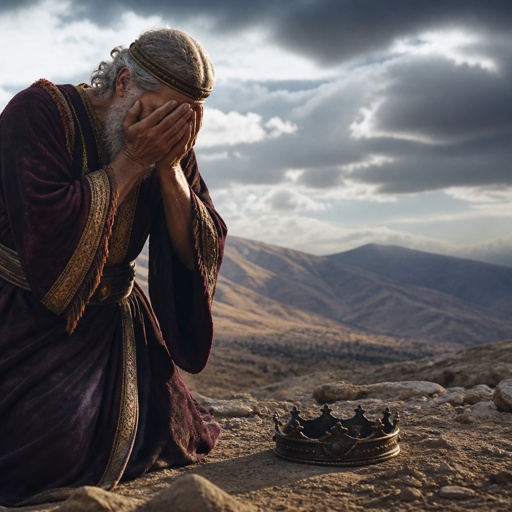
1 Samuel 13:13-14
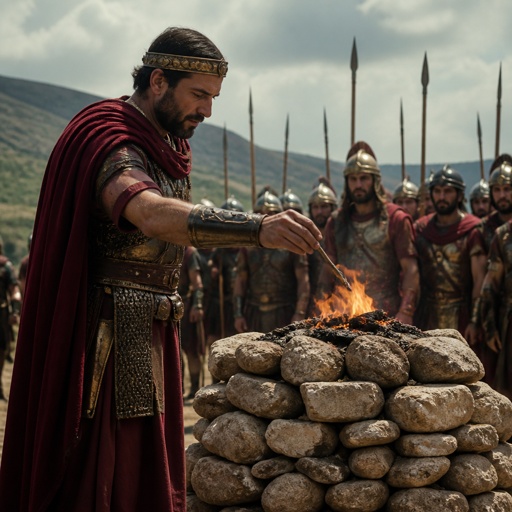
1 Samuel 13:3
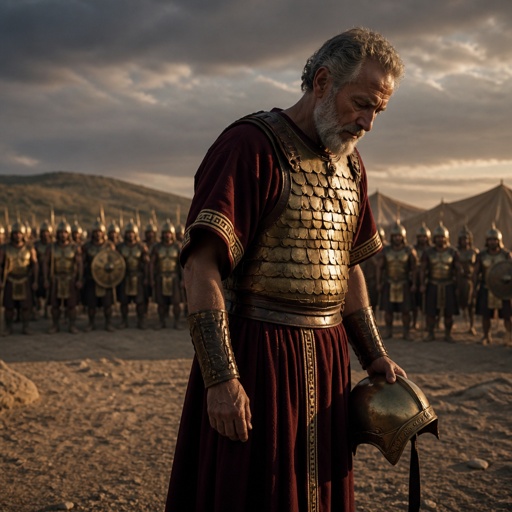
1 Samuel 13:14
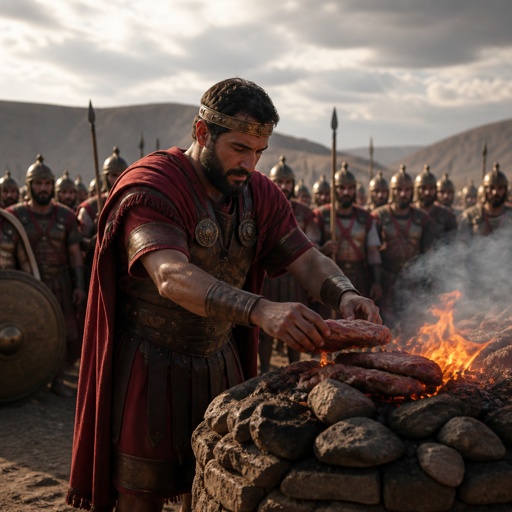
1 Samuel 13:11

1 Samuel 16:1–13
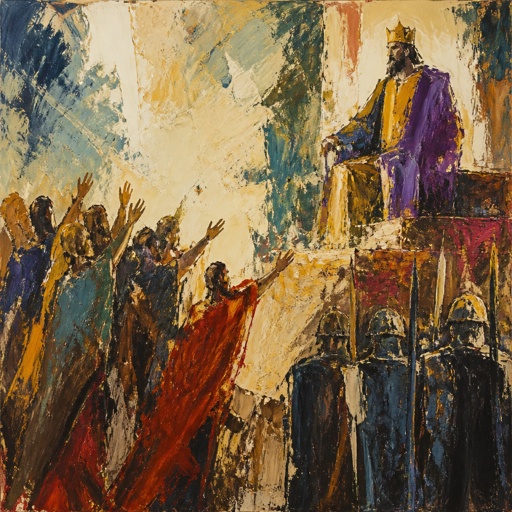
1 Samuel 8:19-23
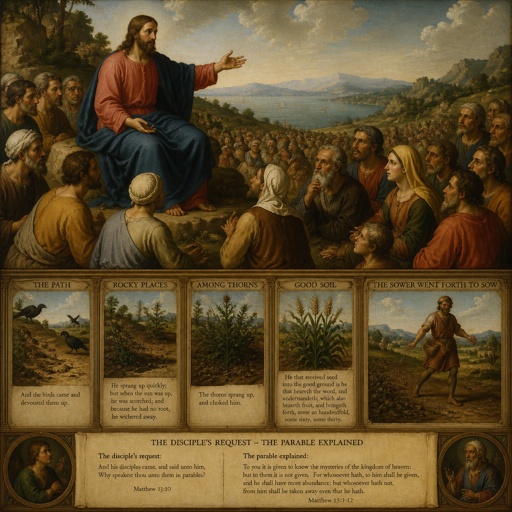
Matthew 13:1-23

1 Samuel 13:12 Saul's disobedience
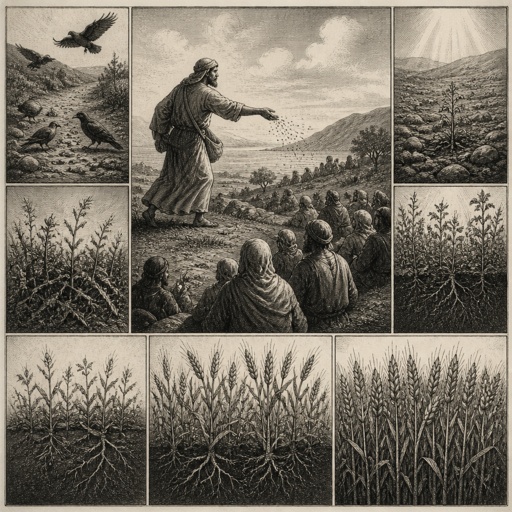
Matthew 13:1-23

Numbers 23:1-13

1 Samuel 12:13

1 Samuel 23:1 - "Then they told David, saying, Behold, the Philistines fight against Keilah, and they rob the threshingfloors."

2 Samuel 23:13 - "And three of the thirty chief went down, and came to David in the harvest time unto the cave of Adullam: and the troop of the Philistines pitched in the valley of Rephaim."

1 Samuel 12:13

1 Samuel 23:21 - "And Saul said, Blessed be ye of the LORD; for ye have compassion on me."

1 Samuel 9:23 - "And Samuel said unto the cook, Bring the portion which I gave thee, of which I said unto thee, Set it by thee."

1 Samuel 22:11-13

2 Samuel 13:23 - "¶ And it came to pass after two full years, that Absalom had sheepshearers in Baal-hazor, which is beside Ephraim: and Absalom invited all the king's sons."

1 Samuel 15:13 - "And Samuel came to Saul: and Saul said unto him, Blessed be thou of the LORD: I have performed the commandment of the LORD."

1 Samuel 13:8 - "¶ And he tarried seven days, according to the set time that Samuel had appointed: but Samuel came not to Gilgal; and the people were scattered from him."

1 Samuel 13:12 No face of persons

1 Samuel 23:29 - "And David went up from thence, and dwelt in strong holds at En-gedi."

1 Samuel 23:15 - "And David saw that Saul was come out to seek his life: and David was in the wilderness of Ziph in a wood."

1 Samuel 13:1 - "Saul reigned one year; and when he had reigned two years over Israel,"

1 Samuel 13:13 - "And Samuel said to Saul, Thou hast done foolishly: thou hast not kept the commandment of the LORD thy God, which he commanded thee: for now would the LORD have established thy kingdom upon Israel for ever."

1 Samuel 7:13 - "¶ So the Philistines were subdued, and they came no more into the coast of Israel: and the hand of the LORD was against the Philistines all the days of Samuel."

1 Samuel 23:27 - "¶ But there came a messenger unto Saul, saying, Haste thee, and come; for the Philistines have invaded the land."