What does 1 Samuel 13:3 mean?
“And Jonathan smote the garrison of the Philistines that was in Geba, and the Philistines heard of it. And Saul blew the trumpet throughout all the land, saying, Let the Hebrews hear.” — 1 Samuel 13:3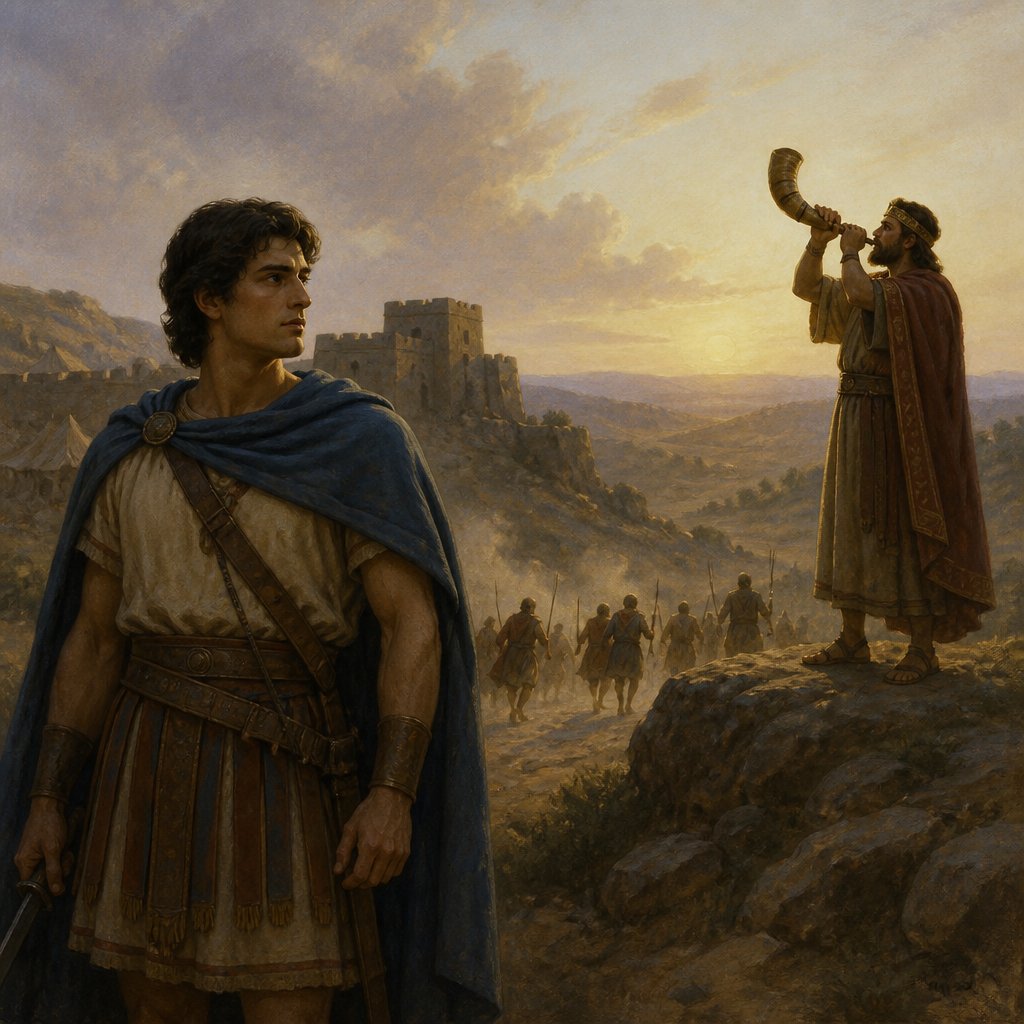
The verse 1 Samuel 13:3 in the King James Version reads: "And Jonathan smote the garrison of the Philistines that was in Geba, and the Philistines heard of it. And Saul blew the trumpet throughout all the land, saying, Let the Hebrews hear."
This verse is part of the narrative of the early reign of King Saul, the first king of Israel. The book of 1 Samuel details the transition of leadership in Israel from the rule of judges to the establishment of a monarchy. In this particular verse, we see the dynamic between Saul and his son Jonathan as they carry out military actions against the Philistines, a recurring and formidable enemy of the Israelites.
The verse begins with Jonathan, Saul's son, leading an attack against the Philistine garrison in Geba. Jonathan's bravery and leadership in this military action signify his commitment to defending the land of Israel against its enemies. His actions exemplify the courage and determination needed to protect the nation and its people. Jonathan's initiative in attacking the Philistine garrison also highlights his willingness to take risks and his belief in the importance of decisive action in the face of external threats.
The verse also mentions the response of the Philistines to Jonathan's attack. The Philistines, upon hearing of the Israelite assault, likely responded with alarm and concern. This emphasizes the impact of the Israelites' offensive and showcases the strategic significance of Jonathan's military action.
Following the news of Jonathan's victory, Saul blows the trumpet throughout the land, calling for the Hebrews to hear the news. The blowing of the trumpet was a common method of communication in ancient Israel and was used to gather people for important announcements or events. By using the trumpet, Saul is not only spreading the news of the successful attack but also rallying the Israelites to unite in the face of the Philistine threat.
This verse reflects several themes that are prevalent throughout the book of 1 Samuel. One important theme is the idea of leadership and the qualities that make a good leader. Jonathan demonstrates leadership through his bold actions and willingness to confront the enemy, while Saul's response to the news of the victory showcases his ability to rally and unite the people.
Additionally, the verse highlights the ongoing conflict between the Israelites and the Philistines. This conflict serves as a backdrop for much of the narrative in 1 Samuel, and the military actions described in this verse are part of the broader struggle for power and control in the region.
Symbolically, the blowing of the trumpet can represent the call to action and the need for vigilance in the face of external threats. It serves as a unifying signal for the Hebrews to come together and stand against their enemies.
Overall, 1 Samuel 13:3 portrays the tension and conflict between the Israelites and the Philistines, as well as the leadership and military prowess of Jonathan and Saul. The verse serves as a reminder of the challenges and dangers faced by the people of Israel and the importance of courageous and decisive leadership in such times of adversity.
Get our apps


Artwork for 1 Samuel 13:3
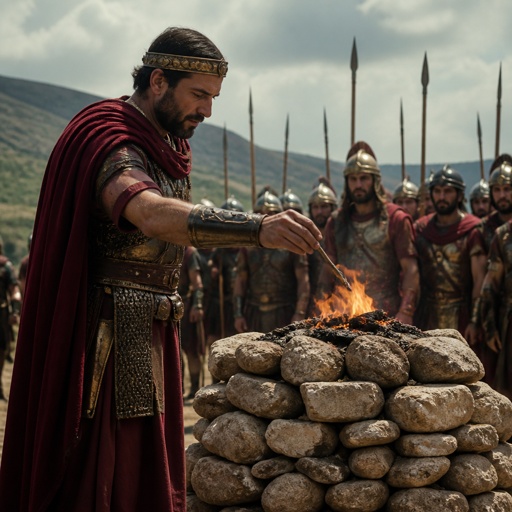
1 Samuel 13:3

1 Samuel 13:3 - "And Jonathan smote the garrison of the Philistines that was in Geba, and the Philistines heard of it. And Saul blew the trumpet throughout all the land, saying, Let the Hebrews hear."
"And Jonathan smote the garrison of the Philistines that was in Geba, and the Philistines heard of it. And Saul blew the trumpet throughout all the land, saying, Let the Hebrews hear." - 1 Samuel 13:3
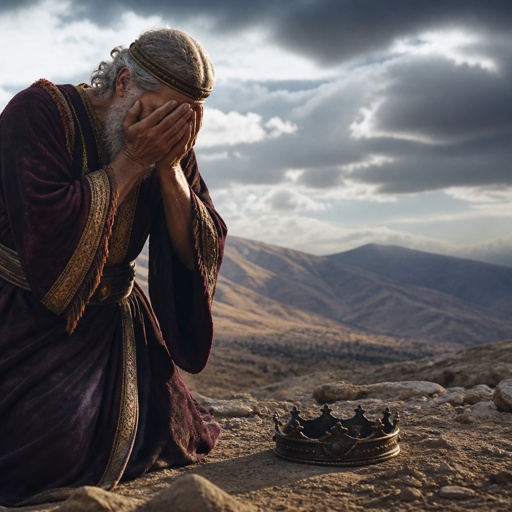
1 Samuel 13:13-14
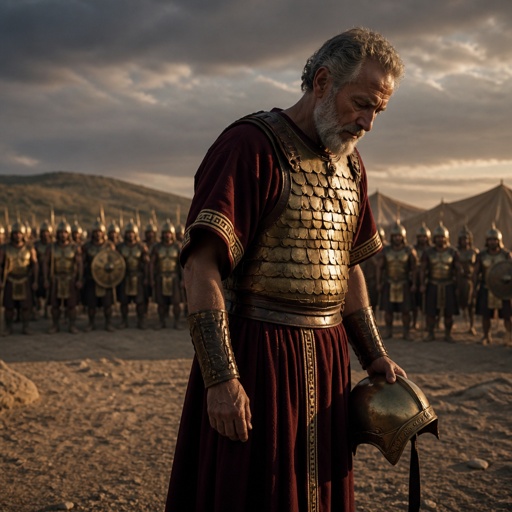
1 Samuel 13:14
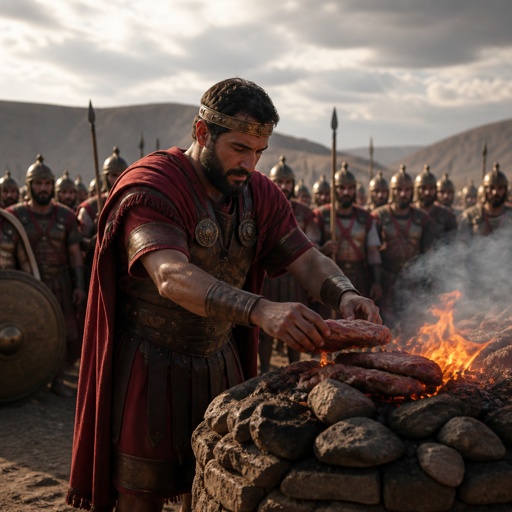
1 Samuel 13:11

1 Samuel 3:13 - "For I have told him that I will judge his house for ever for the iniquity which he knoweth; because his sons made themselves vile, and he restrained them not."

1 Samuel 16:1–13

1 Samuel 13:12 Saul's disobedience

1 Samuel 12:13
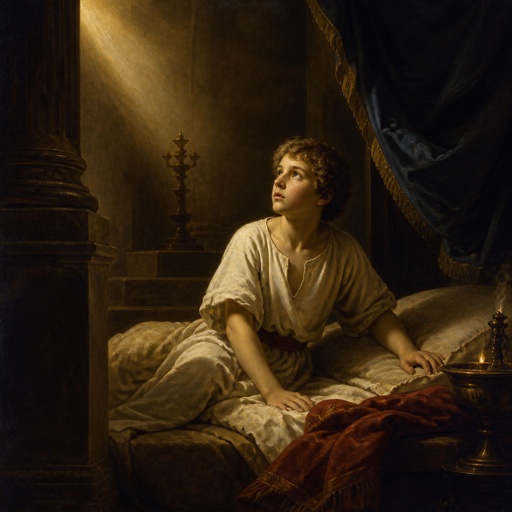
1 Samuel 3:1

1 Samuel 3:1

1 Samuel 12:13

1 Samuel 3:3 - "And ere the lamp of God went out in the temple of the LORD, where the ark of God was, and Samuel was laid down to sleep;"

1 Samuel 3:10 - "And the LORD came, and stood, and called as at other times, Samuel, Samuel. Then Samuel answered, Speak; for thy servant heareth."

1 Samuel 3:16 - "Then Eli called Samuel, and said, Samuel, my son. And he answered, Here am I."

1 Samuel 3:1-10

1 Samuel 3:4 - "That the LORD called Samuel: and he answered, Here am I."

1 Samuel 22:11-13

1 Samuel 3:15 - "¶ And Samuel lay until the morning, and opened the doors of the house of the LORD. And Samuel feared to shew Eli the vision."

1 Samuel 3:1 - "And the child Samuel ministered unto the LORD before Eli. And the word of the LORD was precious in those days; there was no open vision."

1 Samuel 15:13 - "And Samuel came to Saul: and Saul said unto him, Blessed be thou of the LORD: I have performed the commandment of the LORD."

1 Samuel 13:8 - "¶ And he tarried seven days, according to the set time that Samuel had appointed: but Samuel came not to Gilgal; and the people were scattered from him."

1 Samuel 13:12 No face of persons
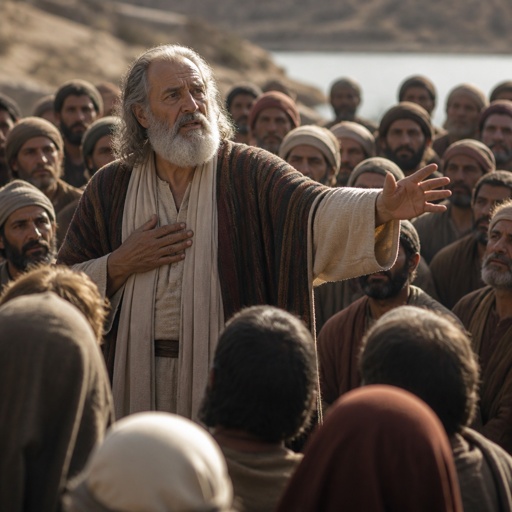
1 Samuel 12:3
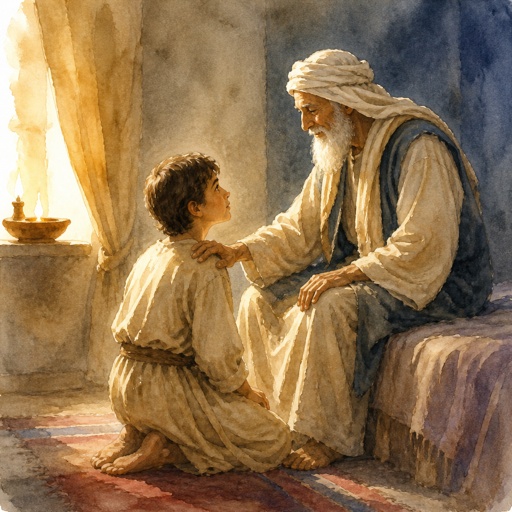
1 Samuel 3:21
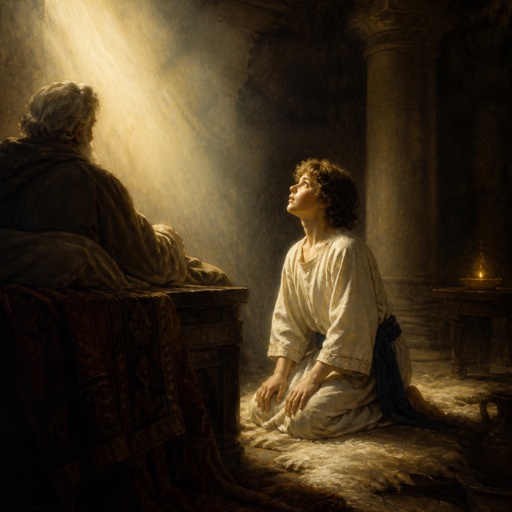
1 Samuel 3:21
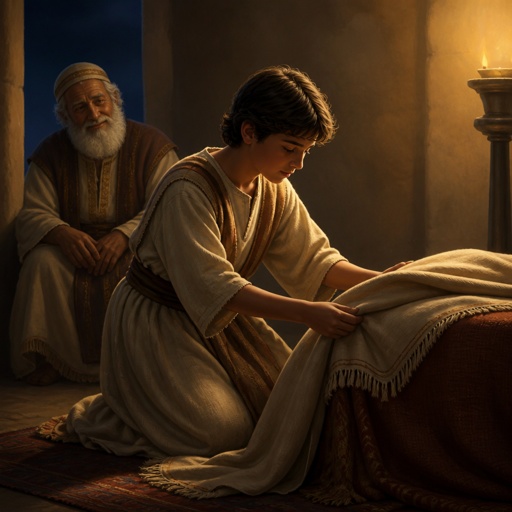
1 Samuel 3:21

1 samuel 17:3

1 Samuel 3:21