What does 1 Samuel 14:3 mean?
“And Ahiah, the son of Ahitub, I-chabod’s brother, the son of Phinehas, the son of Eli, the LORD’s priest in Shiloh, wearing an ephod. And the people knew not that Jonathan was gone.” — 1 Samuel 14:3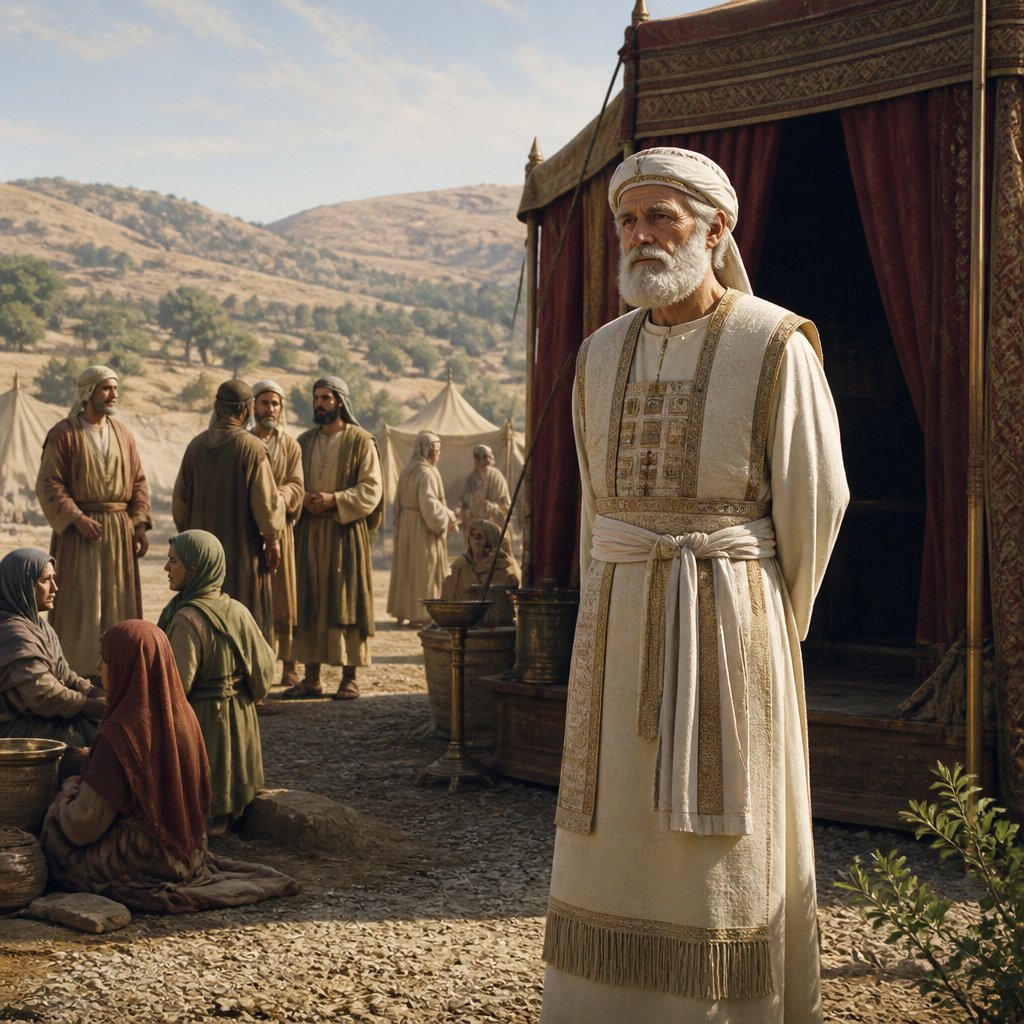
The verse 1 Samuel 14:3 from the King James Version of the Bible reads, "And Ahiah, the son of Ahitub, Ichabod's brother, the son of Phinehas, the son of Eli, the LORD's priest in Shiloh, wearing an ephod. And the people knew not that Jonathan was gone."
This verse is part of the larger narrative in the book of 1 Samuel, specifically recounting the events surrounding the leadership of King Saul and his son Jonathan, as well as the relationship between the Israelites and their neighboring enemies, the Philistines. In this particular verse, the focus is on Jonathan, the son of Saul, and his bravery in confronting the Philistine army alongside his armor-bearer.
To fully understand the meaning and context of 1 Samuel 14:3, it is important to consider the broader themes and historical context of the book of 1 Samuel. The book of 1 Samuel covers the transition of Israel from the rule of judges to the establishment of a monarchy, with the rise and fall of King Saul and the anointing of David as his successor. Throughout this transition, the Israelites faced many challenges and conflicts, particularly with the Philistines who were their longstanding enemies.
In this verse, the priest Ahiah is mentioned as wearing an ephod, which was a sacred garment worn by priests during religious ceremonies. This indicates that Ahiah was actively fulfilling his duties as a priest in Shiloh, demonstrating the religious and spiritual context in which this narrative unfolds. This verse also mentions that the people were unaware of Jonathan's departure, setting the stage for the courageous act Jonathan is about to undertake.
The broader context of the entire chapter of 1 Samuel 14 reveals that Jonathan, moved by his faith in God and his desire to defend his people, decides to take action against the Philistine army. With only his armor-bearer by his side, Jonathan approaches the enemy camp and initiates a confrontation. This action is characterized by both bravery and faith, as Jonathan places his trust in God to deliver victory against formidable odds.
The symbolism of this verse lies in Jonathan's actions and the spiritual leadership represented by Ahiah. Jonathan's initiative to confront the Philistines embodies themes of courage, faith, and reliance on God's providence. His actions also contrast with the lack of initiative and faith demonstrated by his father, King Saul, who remains passive in the face of the enemy.
Additionally, the mention of Ahiah wearing the ephod represents the religious and spiritual foundation of the Israelites. The ephod was a symbol of the priestly authority and communion with God, and its presence in this verse underscores the spiritual significance of the events that follow.
Overall, 1 Samuel 14:3 captures the interplay of faith, leadership, and divine intervention within the historical and religious context of ancient Israel. Jonathan's boldness and trust in God, as well as the priestly presence of Ahiah, serve as reminders of the centrality of faith and religious leadership in the Israelite society. This verse also foreshadows the impending victory that God grants to Jonathan and the Israelites, underscoring the theme of divine providence throughout the narrative.
Get our apps


Artwork for 1 Samuel 14:3

1 Samuel 14:3 - "And Ahiah, the son of Ahitub, I-chabod's brother, the son of Phinehas, the son of Eli, the LORD'S priest in Shiloh, wearing an ephod. And the people knew not that Jonathan was gone."
"And Ahiah, the son of Ahitub, I-chabod's brother, the son of Phinehas, the son of Eli, the LORD'S priest in Shiloh, wearing an ephod. And the people knew not that Jonathan was gone." - 1 Samuel 14:3

1 Samuel 3:14 - "And therefore I have sworn unto the house of Eli, that the iniquity of Eli's house shall not be purged with sacrifice nor offering for ever."

Soothing the Soul: The Gospel of Gentle Care 1 Kings 19:3-8; 1 Samuel 16:14-23

Soothing the Soul: The Gospel of Gentle Care 1 Kings 19:3-8; 1 Samuel 16:14-23

1 Samuel 14:6

1 Samuel 14:7

1 Samuel 14:27
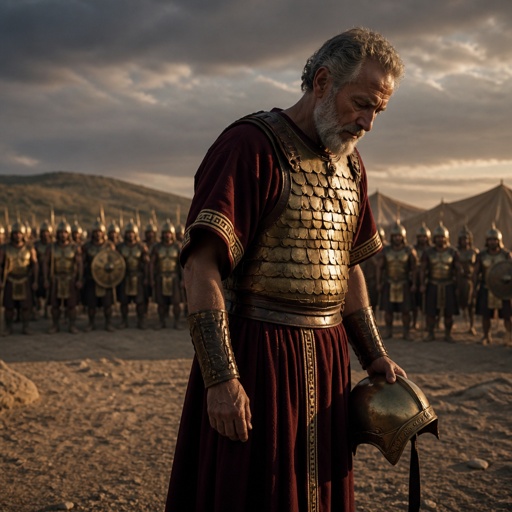
1 Samuel 13:14

2 Samuel 6:14
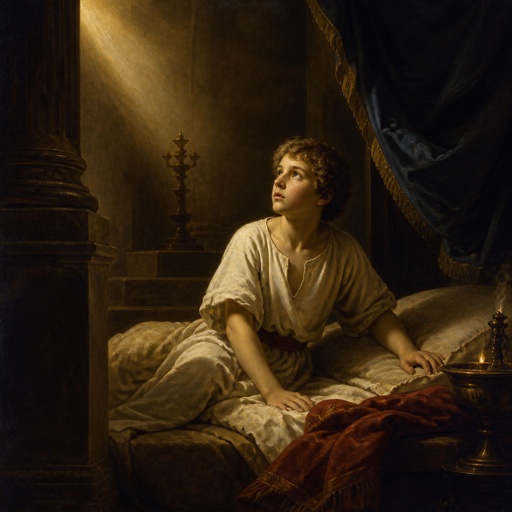
1 Samuel 3:1

1 Samuel 11:14 - "Then said Samuel to the people, Come, and let us go to Gilgal, and renew the kingdom there."

1 Samuel 3:1

1 Samuel 3:3 - "And ere the lamp of God went out in the temple of the LORD, where the ark of God was, and Samuel was laid down to sleep;"

1 Samuel 3:10 - "And the LORD came, and stood, and called as at other times, Samuel, Samuel. Then Samuel answered, Speak; for thy servant heareth."

1 Samuel 3:16 - "Then Eli called Samuel, and said, Samuel, my son. And he answered, Here am I."

1 Samuel 3:1-10

1 Samuel 3:4 - "That the LORD called Samuel: and he answered, Here am I."
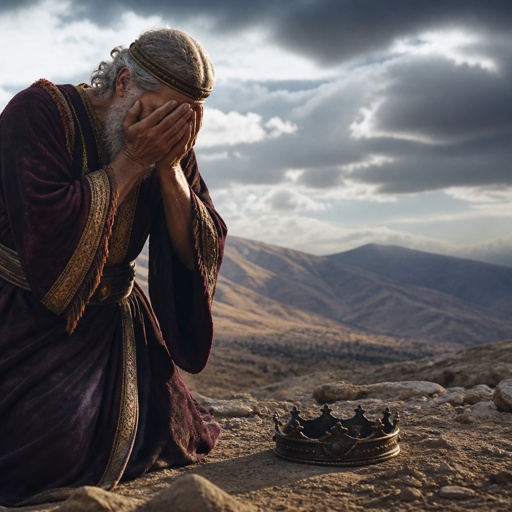
1 Samuel 13:13-14

1 Samuel 17:14 - "And David was the youngest: and the three eldest followed Saul."

1 Samuel 4:14-16

2 Samuel 14:3 - "And come to the king, and speak on this manner unto him. So Joab put the words in her mouth."

1 Samuel 3:15 - "¶ And Samuel lay until the morning, and opened the doors of the house of the LORD. And Samuel feared to shew Eli the vision."

1 Samuel 3:1 - "And the child Samuel ministered unto the LORD before Eli. And the word of the LORD was precious in those days; there was no open vision."

1 Samuel 15:14 - "And Samuel said, What meaneth then this bleating of the sheep in mine ears, and the lowing of the oxen which I hear?"
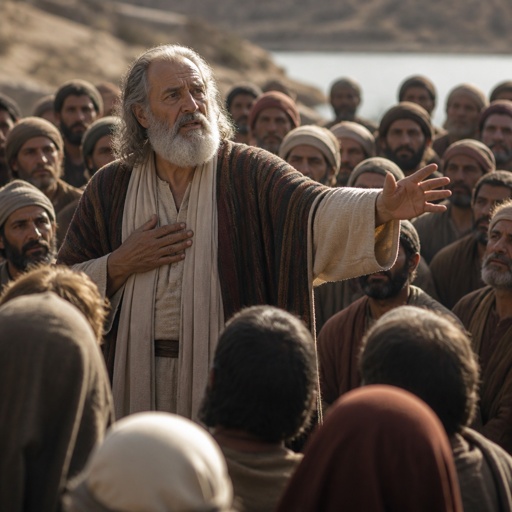
1 Samuel 12:3
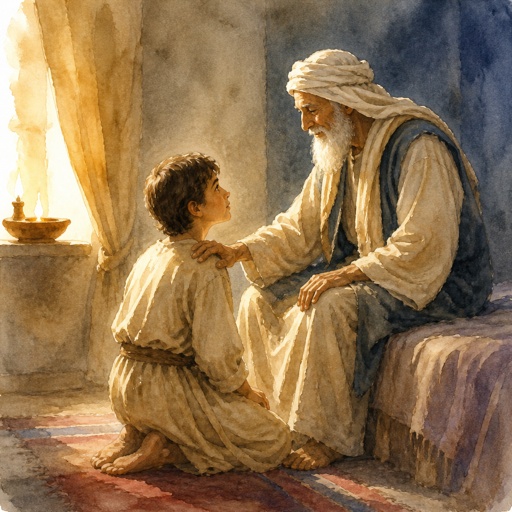
1 Samuel 3:21
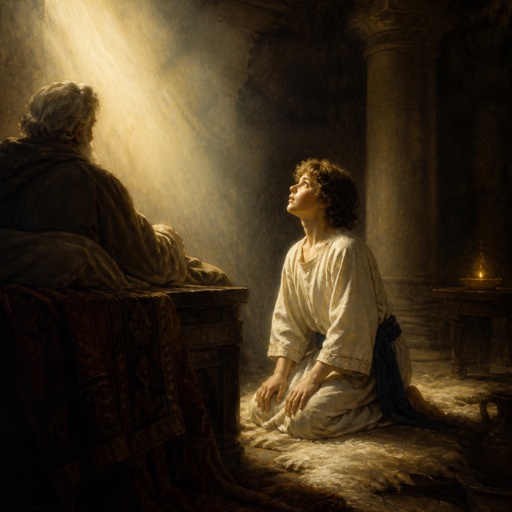
1 Samuel 3:21
1 Samuel 3:21

1 samuel 17:3