What does 1 Samuel 14:39 mean?
“For, as the LORD liveth, which saveth Israel, though it be in Jonathan my son, he shall surely die. But there was not a man among all the people that answered him.” — 1 Samuel 14:39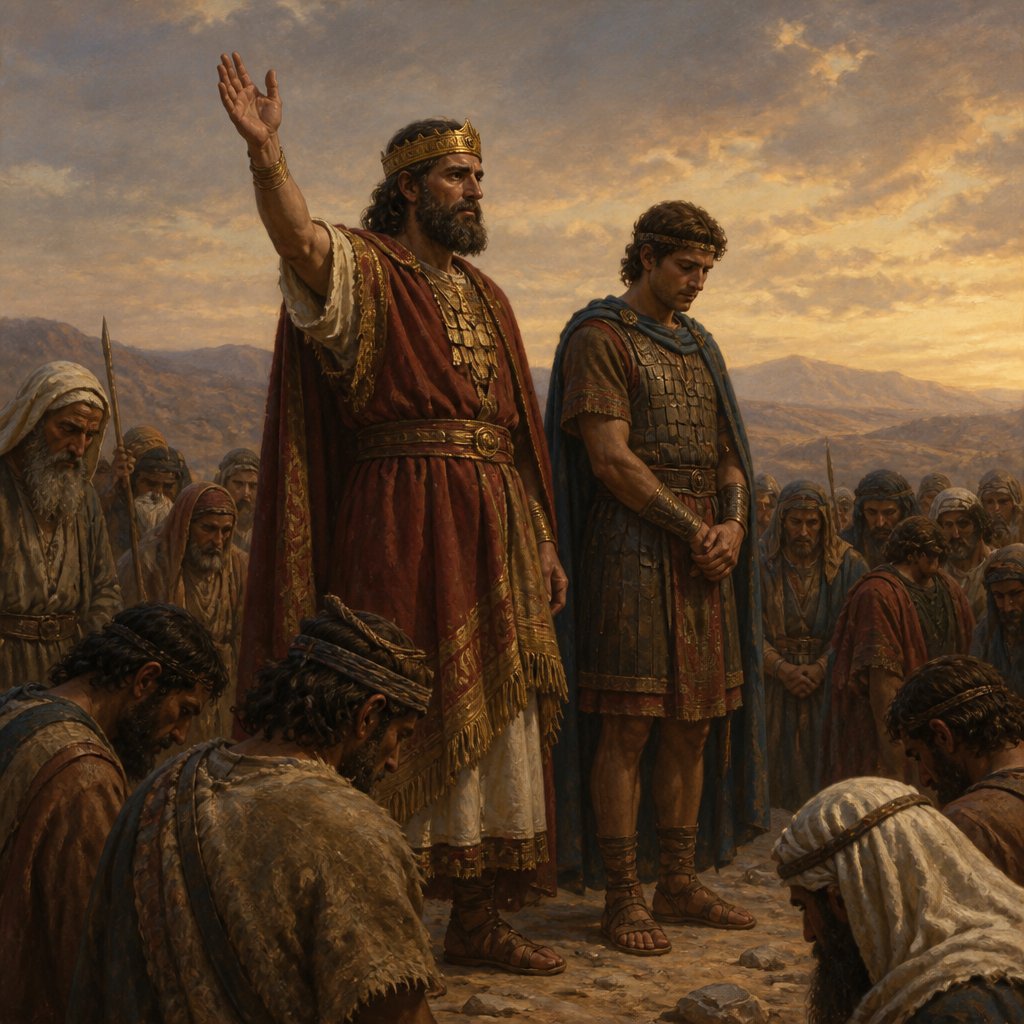
The Bible verse 1 Samuel 14:39 from the King James Version (KJV) reads, "For, as the Lord liveth, which saveth Israel, though it be in Jonathan my son, he shall surely die. But there was not a man among all the people that answered him."
This verse is part of the larger narrative of the Old Testament book of 1 Samuel, which details the transition of leadership in Israel from judges to kings. In this specific passage, Saul, the first king of Israel, has made a rash oath that no one in his army should eat before evening, not knowing that his son Jonathan had broken the oath unaware of his father's command.
The context of this verse is a critical moment in Israel's history. Saul's impulsive oath puts his son Jonathan in a dangerous position, as breaking an oath was considered a serious offense in ancient Israel. The gravity of the situation is further emphasized by Saul's declaration that Jonathan must die, regardless of the fact that he is his own son. This illustrates the dire consequences of Saul's unchecked impulse and the fear of divine retribution for breaking an oath.
The theme of obedience and consequence is central to this verse. Saul's rash oath and subsequent stubbornness reveal a lack of humility and wisdom, as he prioritizes his own authority over the well-being of his people. Jonathan's unintentional disobedience to his father's decree highlights the tension between familial loyalty and obedience to God's law. This passage serves as a cautionary tale about the dangers of making impulsive decisions and the weight of their repercussions.
The symbolism in this verse is also significant. It demonstrates the fragility of human authority in contrast to the absolute sovereignty of God. Saul's misguided attempt to assert his power over the Israelites ultimately exposes his limitations as a flawed and fallible leader. Moreover, Jonathan's willingness to accept his fate reflects his unwavering faith in God's ultimate plan, even in the face of his father's unjust judgment.
Ultimately, this verse serves as a sobering reminder of the consequences of hasty and ill-considered actions. It prompts readers to reflect on the importance of humility, obedience, and discernment in their own lives. It also underscores the fundamental biblical principle that God's will and righteousness supersede human authority and fallibility. The narrative of Saul and Jonathan in 1 Samuel serves as a powerful lesson in leadership, faith, and the enduring impact of our choices.
Get our apps


Artwork for 1 Samuel 14:39
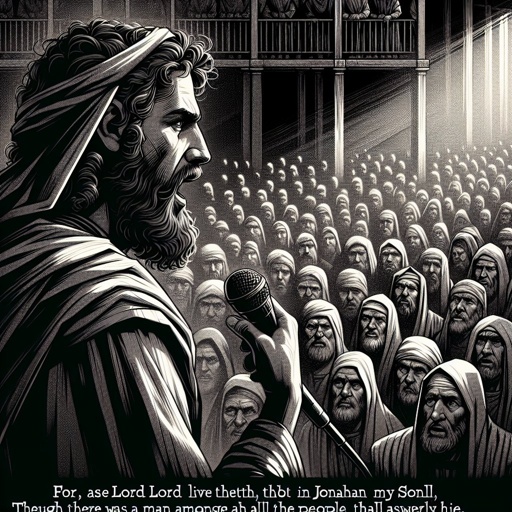
1 Samuel 14:39 - "For, as the LORD liveth, which saveth Israel, though it be in Jonathan my son, he shall surely die. But there was not a man among all the people that answered him."
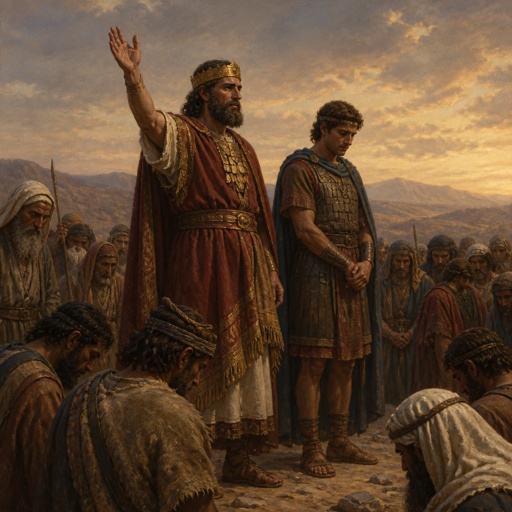
"For, as the LORD liveth, which saveth Israel, though it be in Jonathan my son, he shall surely die. But there was not a man among all the people that answered him." - 1 Samuel 14:39

1 Corinthians 14:39-40

1 Samuel 20:39 - "But the lad knew not any thing: only Jonathan and David knew the matter."

1 Corinthians 14:39 - "Wherefore, brethren, covet to prophesy, and forbid not to speak with tongues."

Scene from book of numbers 14:39-45

1 Samuel 14:6

1 Samuel 14:7

1 Samuel 14:27
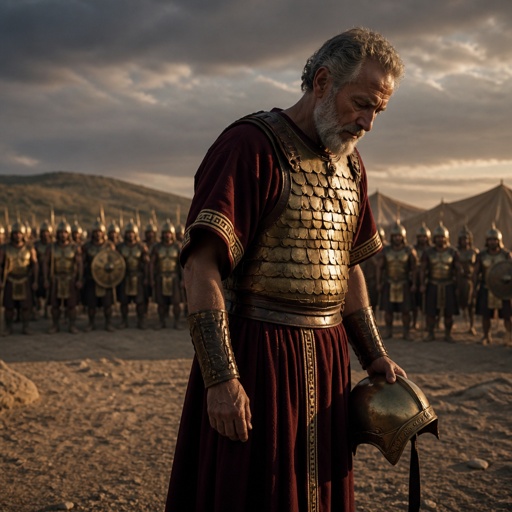
1 Samuel 13:14

2 Samuel 6:14

1 Samuel 11:14 - "Then said Samuel to the people, Come, and let us go to Gilgal, and renew the kingdom there."

2 Samuel 23:39 - "Uriah the Hittite: thirty and seven in all."

"Wherefore, brethren, covet to prophesy, and forbid not to speak with tongues." - 1 Corinthians 14:39
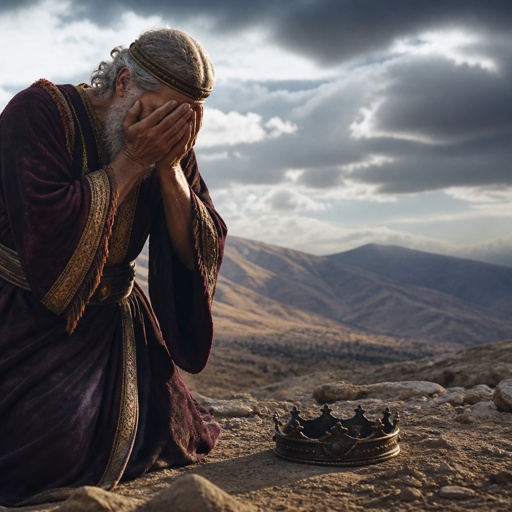
1 Samuel 13:13-14

1 Samuel 17:14 - "And David was the youngest: and the three eldest followed Saul."
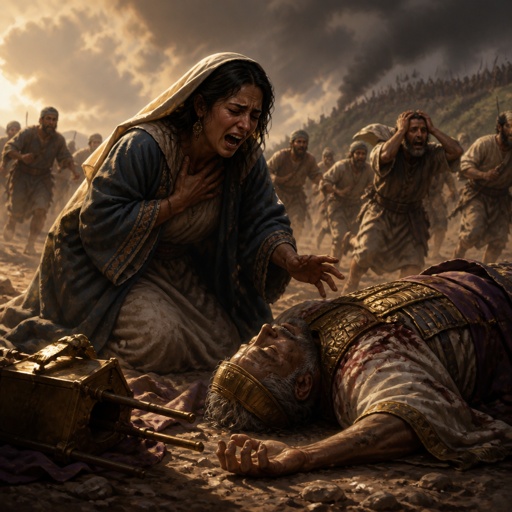
1 Samuel 4:14-16

1 Samuel 15:14 - "And Samuel said, What meaneth then this bleating of the sheep in mine ears, and the lowing of the oxen which I hear?"
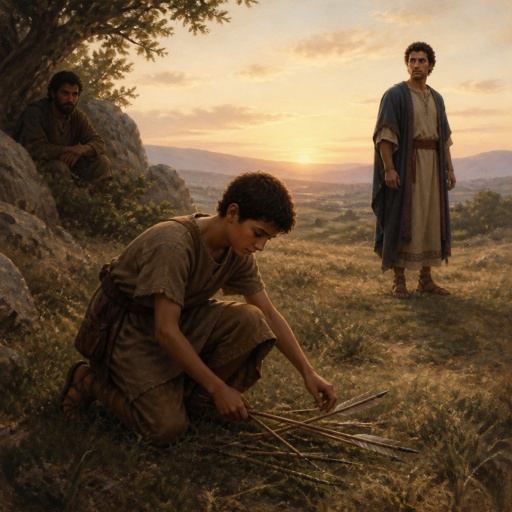
"But the lad knew not any thing: only Jonathan and David knew the matter." - 1 Samuel 20:39

1 Samuel 14:51 - "And Kish was the father of Saul; and Ner the father of Abner was the son of Abiel."

1 Samuel 14:25 - "And all they of the land came to a wood; and there was honey upon the ground."

1 Samuel 9:14 - "And they went up into the city: and when they were come into the city, behold, Samuel came out against them, for to go up to the high place."

1 Samuel 19:14 - "And when Saul sent messengers to take David, she said, He is sick."

1 Samuel 14:46 - "Then Saul went up from following the Philistines: and the Philistines went to their own place."

Mark 14:39 - "And again he went away, and prayed, and spake the same words."

1 Samuel 14:35 - "And Saul built an altar unto the LORD: the same was the first altar that he built unto the LORD."

1 Samuel 18:14 - "And David behaved himself wisely in all his ways; and the LORD was with him."

2 Samuel 14:1 - "Now Joab the son of Zeruiah perceived that the king's heart was toward Absalom."

1 Samuel 16:14 - "¶ But the Spirit of the LORD departed from Saul, and an evil spirit from the LORD troubled him."

1 Samuel 14:42 - "And Saul said, Cast lots between me and Jonathan my son. And Jonathan was taken."