What does 1 Samuel 14:9 mean?
“If they say thus unto us, Tarry until we come to you; then we will stand still in our place, and will not go up unto them.” — 1 Samuel 14:9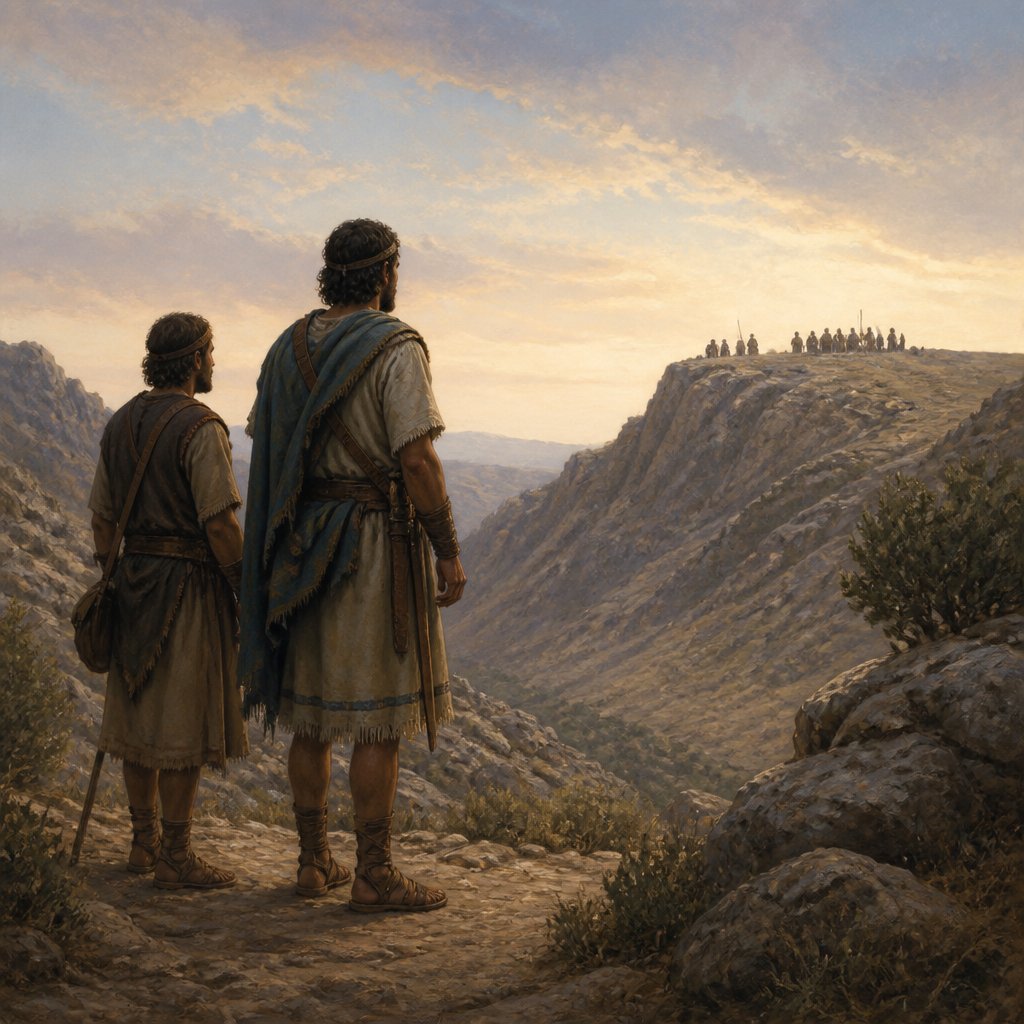
1 Samuel 14:9 in the King James Version reads, "If they say thus unto us, Tarry until we come to you; then we will stand still in our place, and will not go up unto them." This verse is part of a larger narrative in the book of 1 Samuel, which tells the story of the transition of leadership from the judges to the kings in ancient Israel. This particular verse comes from the story of Jonathan, the son of King Saul, and his armor-bearer as they prepared to face the Philistine army.
To fully understand the significance of 1 Samuel 14:9, it is important to consider the larger context of the chapter. At the beginning of 1 Samuel 14, we find Jonathan and his armor-bearer devising a plan to attack the Philistine garrison. Despite being vastly outnumbered, Jonathan expresses his faith in God's ability to deliver victory to Israel. In verse 6, he says, "It may be that the Lord will work for us: for there is no restraint to the Lord to save by many or by few." This verse sets the stage for the faith and reliance on God displayed by Jonathan and his armor-bearer throughout the chapter.
As the story unfolds, Jonathan and his armor-bearer approach the Philistine outpost, and in verse 9, the Philistines issue a challenge to Jonathan and his armor-bearer. The verse reveals Jonathan's response to the Philistines' challenge, as he expresses his determination to stand firm and not retreat in the face of opposition. This sentiment reflects Jonathan's unwavering faith in God's ability to give him victory over the enemy, regardless of the circumstances.
The themes present in 1 Samuel 14:9 are significant and resonate throughout the larger narrative of the Bible as a whole. One prominent theme is the idea of courage and faith in the face of adversity. Jonathan's refusal to back down in the face of overwhelming odds demonstrates his trust in God's power and provision. This theme of unwavering faith and trust in God's sovereignty is a recurring motif in the Bible, seen in the lives of figures such as David, Gideon, and Daniel.
Additionally, the verse conveys the importance of obedience to God's call and the willingness to take bold action in alignment with His will. Jonathan's decision to take on the Philistine garrison was based on his belief that God would deliver Israel from their enemies. This theme of obedience and reliance on God's guidance is a cornerstone of biblical faith, as exemplified by figures such as Abraham, Moses, and the apostles in the New Testament.
Symbolism also plays a role in the interpretation of 1 Samuel 14:9. The standoff between Jonathan and the Philistines can be seen as a metaphor for the spiritual battles that believers face in their own lives. The Philistine army represents the forces of darkness and opposition to God's purposes, while Jonathan symbolizes the faithful servant who trusts in God's strength to overcome. This imagery serves as a reminder that, like Jonathan, believers are called to stand firm in the face of spiritual opposition and to trust in God's power to bring victory.
In conclusion, 1 Samuel 14:9 holds profound significance within the larger context of the biblical narrative. It conveys themes of faith, courage, and obedience, while also offering symbolic insight into the spiritual battles that believers face. Jonathan's unwavering determination to stand firm in the face of opposition serves as an example of the kind of faith and reliance on God that is celebrated throughout the Bible. As readers engage with this verse, they are encouraged to emulate Jonathan's faith and trust in God's ability to deliver victory in all circumstances.
Get our apps


Artwork for 1 Samuel 14:9

1 Samuel 14:9 - "If they say thus unto us, Tarry until we come to you; then we will stand still in our place, and will not go up unto them."
"If they say thus unto us, Tarry until we come to you; then we will stand still in our place, and will not go up unto them." - 1 Samuel 14:9

1 Samuel 9:14 - "And they went up into the city: and when they were come into the city, behold, Samuel came out against them, for to go up to the high place."

1 Samuel 14:6

1 Samuel 14:7
1 Samuel 9:1-2

1 Samuel 14:27
1 Samuel 13:14

2 Samuel 6:14

1 Samuel 11:14 - "Then said Samuel to the people, Come, and let us go to Gilgal, and renew the kingdom there."

"And they went up into the city: and when they were come into the city, behold, Samuel came out against them, for to go up to the high place." - 1 Samuel 9:14
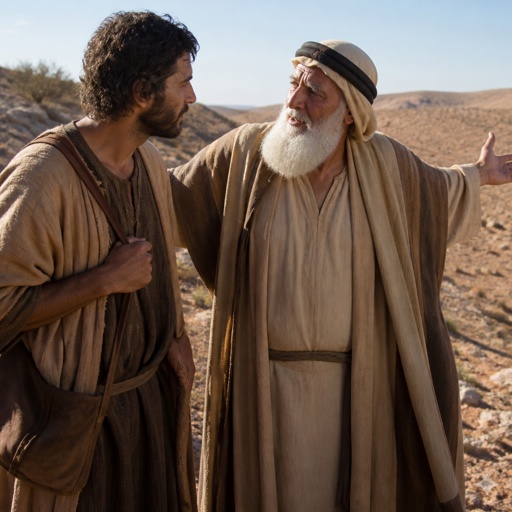
1 Samuel 9:17
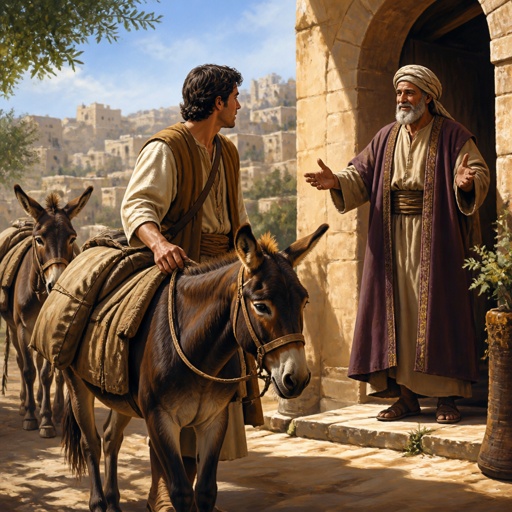
1 Samuel 9:17

1 Samuel 9:15 - "¶ Now the LORD had told Samuel in his ear a day before Saul came, saying,"
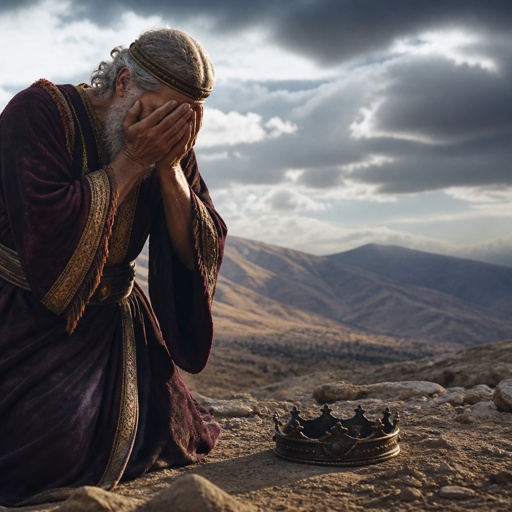
1 Samuel 13:13-14

1 Samuel 17:14 - "And David was the youngest: and the three eldest followed Saul."
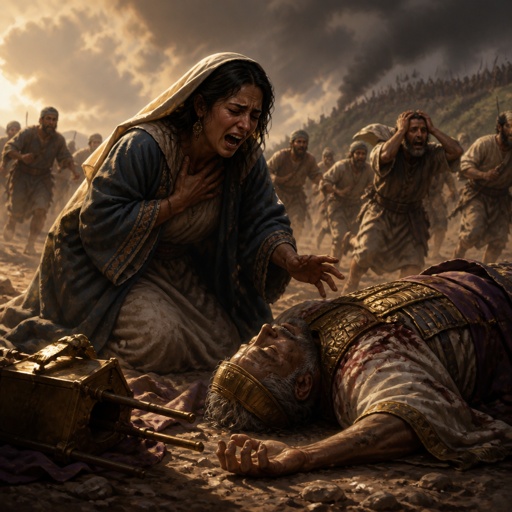
1 Samuel 4:14-16

2 samuel 9:7 fhdhdhdhhd

1 Samuel 15:14 - "And Samuel said, What meaneth then this bleating of the sheep in mine ears, and the lowing of the oxen which I hear?"

1 Samuel 9:25 - "¶ And when they were come down from the high place into the city, Samuel communed with Saul upon the top of the house."

1 Samuel 9:18 - "Then Saul drew near to Samuel in the gate, and said, Tell me, I pray thee, where the seer's house is."

1 Samuel 18:9 - "And Saul eyed David from that day and forward."
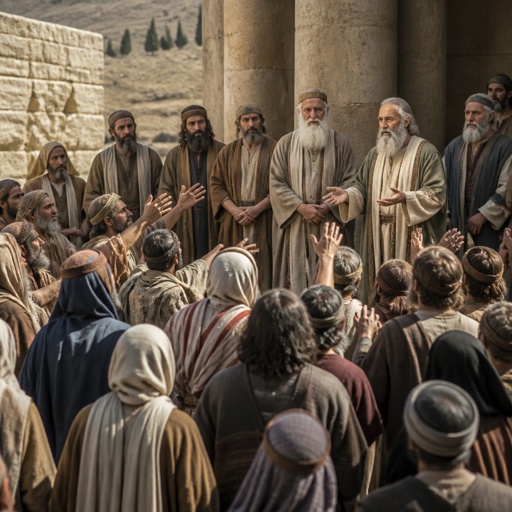
1 Samuel 8:7-9

1 Samuel 7:9 - "¶ And Samuel took a sucking lamb, and offered it for a burnt offering wholly unto the LORD: and Samuel cried unto the LORD for Israel; and the LORD heard him."

1 Samuel 14:51 - "And Kish was the father of Saul; and Ner the father of Abner was the son of Abiel."

Luke 18:9-14

1 Samuel 14:25 - "And all they of the land came to a wood; and there was honey upon the ground."

Luke 18: 9-14

2 Samuel 14:9 - "And the woman of Tekoah said unto the king, My lord, O king, the iniquity be on me, and on my father's house: and the king and his throne be guiltless."

1 Samuel 9:17 - "And when Samuel saw Saul, the LORD said unto him, Behold the man whom I spake to thee of! this same shall reign over my people."