What does 1 Samuel 15:17 mean?
"And Samuel said, When thou wast little in thine own sight, wast thou not made the head of the tribes of Israel, and the LORD anointed thee king over Israel?" - 1 Samuel 15:17
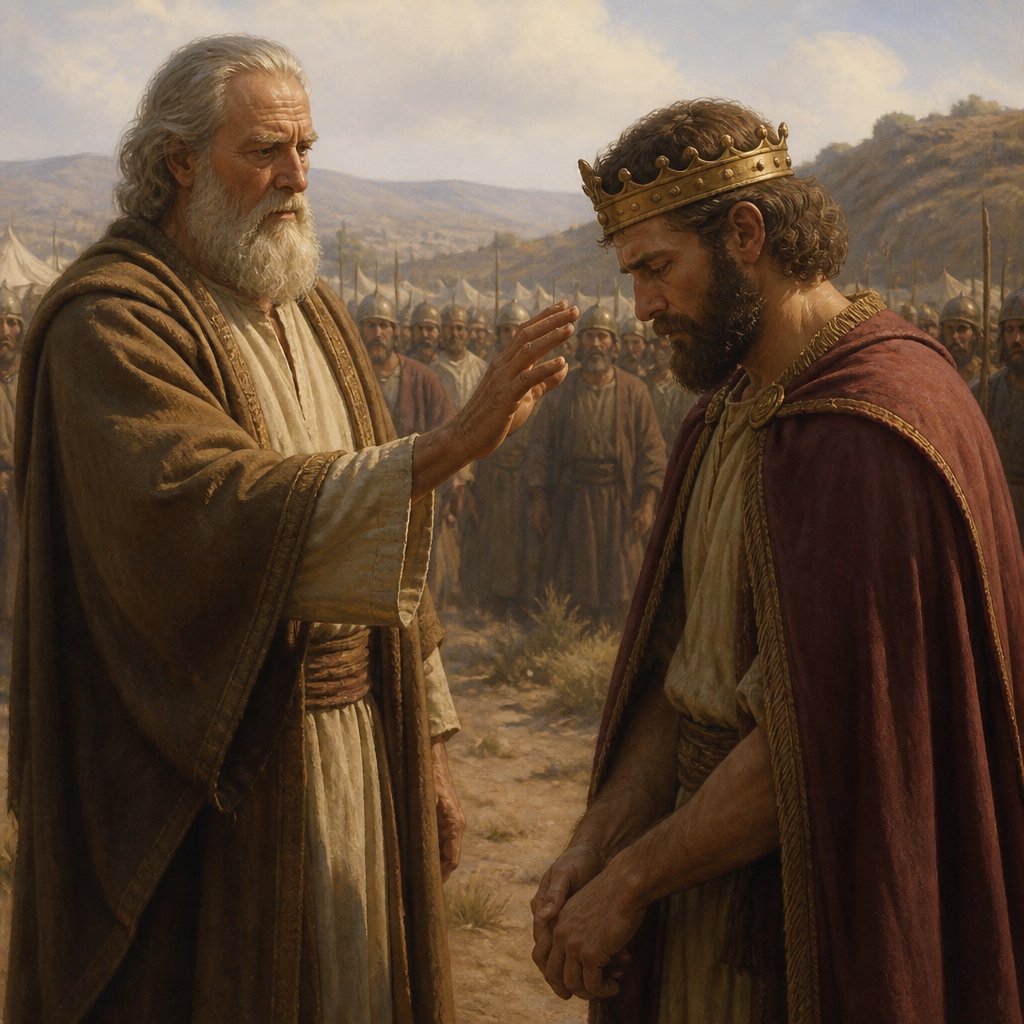
In 1 Samuel 15:17 KJV, the verse reads, "And Samuel said, When thou wast little in thine own sight, wast thou not made the head of the tribes of Israel, and the Lord anointed thee king over Israel?"
This verse is part of a larger passage in the Old Testament that recounts the story of King Saul and his disobedience to God's command. In this specific verse, the prophet Samuel is rebuking Saul for his failure to follow God's instructions, and in doing so, addresses Saul's self-perception and the consequences of his actions.
To fully understand the meaning and significance of this verse, it is important to delve into its historical and cultural context within the larger narrative of 1 Samuel. The book of 1 Samuel is set in the period of the judges, where Israel transitions from being a loose confederation of tribes to a monarchy under Saul, the first king. Samuel, a prophet and judge, plays a pivotal role in anointing Saul as king, but also serves as a messenger of God's will to the king.
In chapter 15, Samuel is sent by God to instruct Saul to completely destroy the Amalekites and all their possessions as a form of divine judgment. However, Saul deviates from this command and spares the Amalekite king, Agag, as well as the best of the livestock. When Samuel confronts Saul about his disobedience, he uses the question in 1 Samuel 15:17 to highlight the irony of Saul's behavior. Samuel reminds Saul of his humble origins and how he was exalted by God to be the leader of Israel, yet in his reign, Saul has become proud and disobedient to God's commands.
The verse also speaks to the theme of pride and humility. In addressing Saul's self-perception, Samuel emphasizes the importance of remaining humble before God. Saul's failure to recognize his own insignificance in comparison to God's authority leads him to overstep his bounds and disobey God's will. The verse serves as a warning against pride and the danger of letting one's position or accomplishments lead to a sense of entitlement or superiority.
Furthermore, the verse also brings to light the theme of divine anointing and the responsibility that comes with it. Samuel reminds Saul that he was anointed by God to be king over Israel, a position that comes with the duty to faithfully carry out God's commands. By sparing Agag and the best of the livestock, Saul demonstrates a lack of reverence for the divine authority that placed him in his position of leadership.
In addition to its thematic significance, 1 Samuel 15:17 holds symbolic meaning within the broader biblical narrative. The verse serves as a reminder of the complex relationship between God and humanity, highlighting the tension between human fallibility and God's unwavering sovereignty. Saul's actions and Samuel's rebuke underscore the recurring biblical motif of the consequences of disobedience and the necessity of aligning one's will with God's.
Ultimately, 1 Samuel 15:17 in the King James Version encapsulates the themes of humility, obedience, and the consequences of pride within the context of Saul's reign as the first king of Israel. The verse reinforces the idea that true leadership and honor come from faithfully adhering to God's will and recognizing one's innate dependency on divine guidance and grace.
Have questions about 1 Samuel 15:17?
Dive deeper into this scripture with Bible Chat — an AI-powered tool for exploring God's Word through conversation. Ask questions, get context, and grow in your understanding of the Bible.
Get Our Apps


1 Samuel 15:17 Artwork

1 Samuel 15:17 - "And Samuel said, When thou wast little in thine own sight, wast thou not made the head of the tribes of Israel, and the LORD anointed thee king over Israel?"
"And Samuel said, When thou wast little in thine own sight, wast thou not made the head of the tribes of Israel, and the LORD anointed thee king over Israel?" - 1 Samuel 15:17

1 Samuel 1:15-17

1 Samuel 17:15 - "But David went and returned from Saul to feed his father's sheep at Beth-lehem."
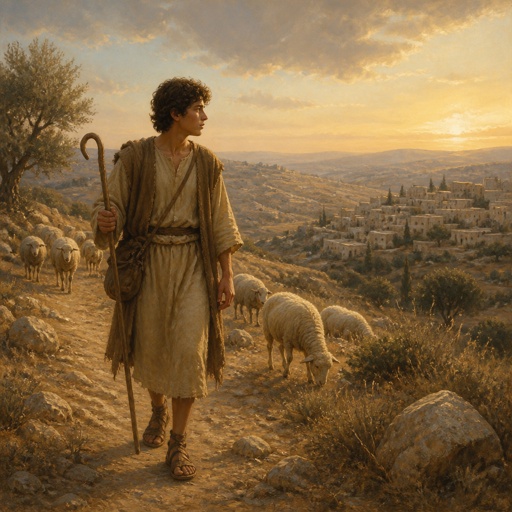
"But David went and returned from Saul to feed his father's sheep at Beth-lehem." - 1 Samuel 17:15

2 Samuel 15:17 - "And the king went forth, and all the people after him, and tarried in a place that was far off."

1 Samuel 10:17 - "¶ And Samuel called the people together unto the LORD to Mizpeh;"

1 Samuel 17:33

1 Samuel 15:10 - "¶ Then came the word of the LORD unto Samuel, saying,"

1 Samuel 7:15 - "And Samuel judged Israel all the days of his life."
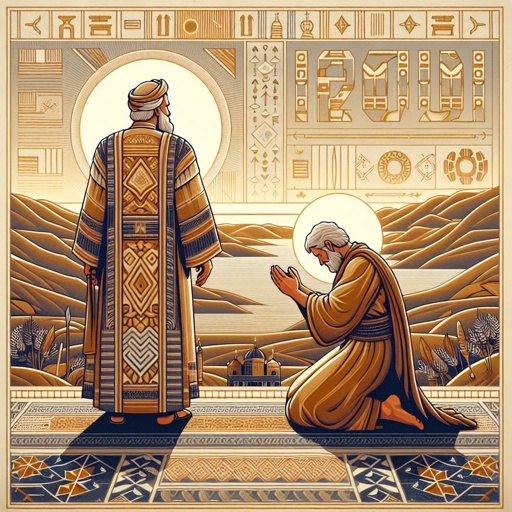
1 Samuel 15:31 - "So Samuel turned again after Saul; and Saul worshipped the LORD."

1.samuel 15:30

1 Samuel 17:34-35

1 Samuel 15:22

1 Samuel 15:22

1 Samuel 17:49

1 Samuel 17:45

1 Samuel 17:49

1 Samuel 17:45

1 Samuel 15:34 - "¶ Then Samuel went to Ramah; and Saul went up to his house to Gibeah of Saul."

1 samuel 17:3

1 Samuel 17:49

1 Samuel 17:45
1 Samuel 17:49

1.samuel 15:30

Acts 17:15

Provers 15:17

1 Samuel 3:15 - "¶ And Samuel lay until the morning, and opened the doors of the house of the LORD. And Samuel feared to shew Eli the vision."

1 Samuel 28:15

1 Samuel 9:15 - "¶ Now the LORD had told Samuel in his ear a day before Saul came, saying,"