What does 1 Samuel 18:8 mean?
“And Saul was very wroth, and the saying displeased him; and he said, They have ascribed unto David ten thousands, and to me they have ascribed but thousands: and what can he have more but the kingdom?” — 1 Samuel 18:8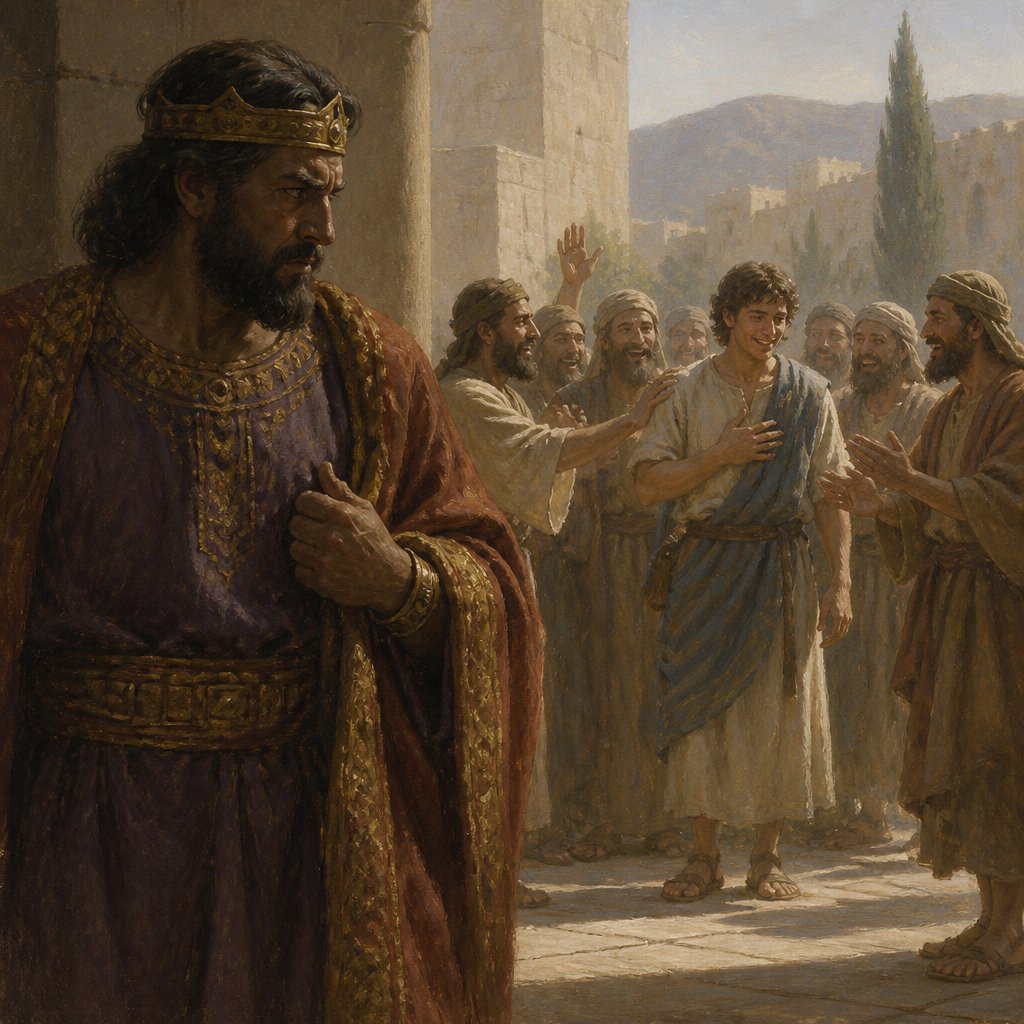
The Bible verse 1 Samuel 18:8 from the King James Version (KJV) states, "And Saul was very wroth, and the saying displeased him; and he said, They have ascribed unto David ten thousands, and to me they have ascribed but thousands: and what can he have more but the kingdom?" This verse comes from the Old Testament in the book of 1 Samuel and is part of the narrative describing the worsening relationship between King Saul and the young warrior David.
This verse is situated in a pivotal moment in the story of David and Saul. The preceding verses describe how David has just returned from a victorious battle against the Philistines and the Israelites are celebrating his triumph. During the celebration, the women of Israel sing and dance in the streets, praising David for his military exploits. This outpouring of adoration causes King Saul to become envious and resentful of David, as he perceives that the people are attributing more greatness and success to David than to himself.
The verse captures the contrast between Saul's feelings of anger and bitterness towards David and the people's enthusiastic support for the young warrior. Throughout the narrative of 1 Samuel, Saul's insecurity and fear of losing his kingdom to David are evident, and this verse serves to highlight his increasing paranoia and jealousy towards David.
The themes present in this verse are envy, insecurity, and the corrupting effects of power. Saul's reaction to the praise for David reveals the destructive nature of jealousy and the ways in which it can lead to irrational behavior and a downward spiral of negative emotions. In addition, the verse also touches on the theme of leadership and the qualities that make a good leader, as Saul's reaction stands in stark contrast to David's humble and gracious response to the people's praise.
The context of this verse is crucial to understanding its significance. 1 Samuel chronicles the rise of David as a key figure in Israel's history and his complex relationship with King Saul. David's eventual ascension to the throne and Saul's downfall are pivotal events in the history of Israel, and this verse serves as a foreshadowing of the conflicts and struggles that will define their relationship.
Symbolism plays a role in this verse as well, with Saul representing the corrupt and insecure leader, while David embodies virtues such as humility, strength, and courage. The contrast between the two characters serves as a moral lesson about the dangers of envy and the importance of remaining true to one's principles in the face of adversity.
In conclusion, 1 Samuel 18:8 from the King James Version presents a powerful depiction of the corrosive effects of envy and insecurity, as well as the contrasting virtues of humility and grace. The verse serves as a reminder of the timeless themes of human nature and the complexities of leadership, making it a rich and thought-provoking passage with enduring relevance.
Get our apps


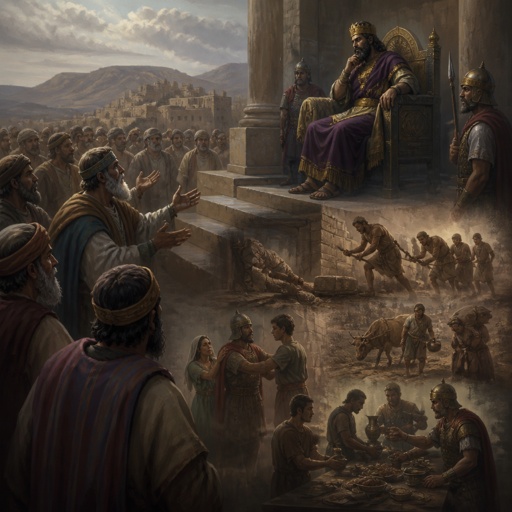
Artwork for 1 Samuel 18:8

1 Samuel 18:8 - "And Saul was very wroth, and the saying displeased him; and he said, They have ascribed unto David ten thousands, and to me they have ascribed but thousands: and what can he have more but the kingdom?"
"And Saul was very wroth, and the saying displeased him; and he said, They have ascribed unto David ten thousands, and to me they have ascribed but thousands: and what can he have more but the kingdom?" - 1 Samuel 18:8

1 Samuel 8:18 - "And ye shall cry out in that day because of your king which ye shall have chosen you; and the LORD will not hear you in that day."
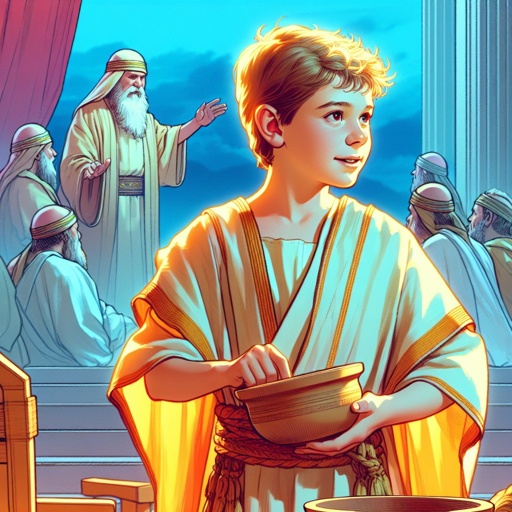
1 Samuel 2:18 - "¶ But Samuel ministered before the LORD, being a child, girded with a linen ephod."
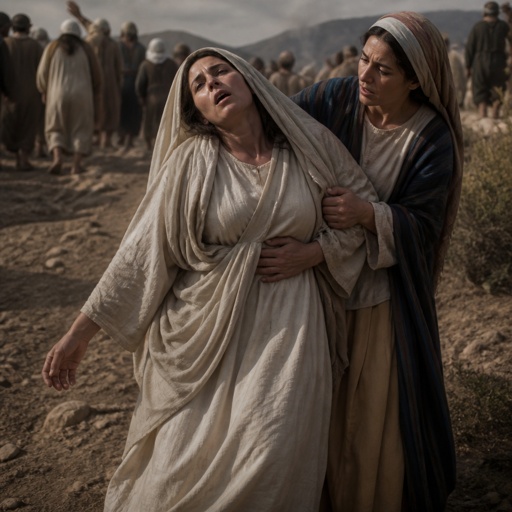
1 Samuel 4:18
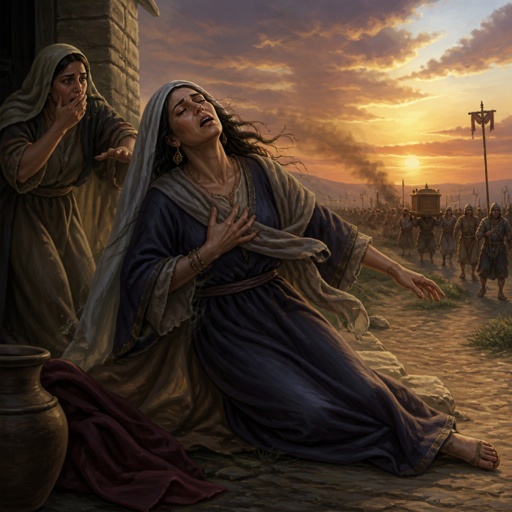
1 Samuel 4:18
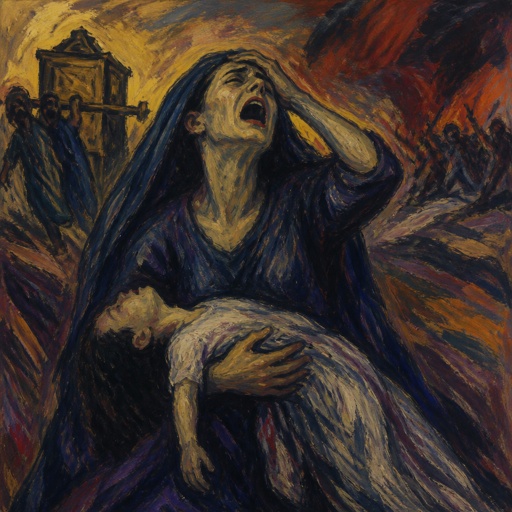
1 Samuel 4:18

1 Samuel 30:18

2 Samuel 8:18 - "And Benaiah the son of Jehoiada was over both the Cherethites and the Pelethites; and David's sons were chief rulers."

1 Samuel 8:1 - "And it came to pass, when Samuel was old, that he made his sons judges over Israel."

1 Samuel 12:18 - "So Samuel called unto the LORD; and the LORD sent thunder and rain that day: and all the people greatly feared the LORD and Samuel."
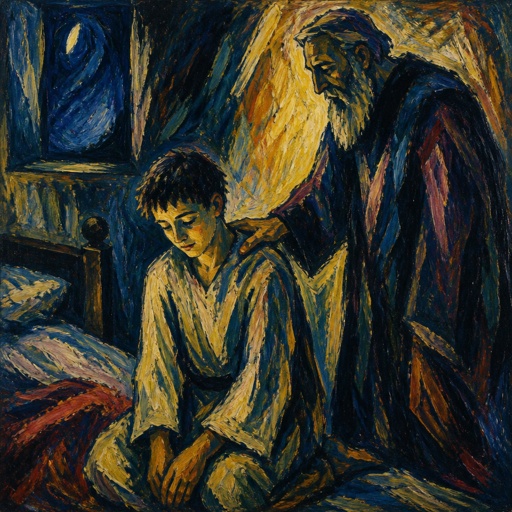
1 Samuel 3:17-18

1 Samuel 9:18 - "Then Saul drew near to Samuel in the gate, and said, Tell me, I pray thee, where the seer's house is."

1 Samuel 19:18 - "¶ So David fled, and escaped, and came to Samuel to Ramah, and told him all that Saul had done to him. And he and Samuel went and dwelt in Naioth."

1 Samuel 18:9 - "And Saul eyed David from that day and forward."

2 Samuel 18:8 - "For the battle was there scattered over the face of all the country: and the wood devoured more people that day than the sword devoured."

1 Samuel 8:6 - "¶ But the thing displeased Samuel, when they said, Give us a king to judge us. And Samuel prayed unto the LORD."

1 Samuel 8:21 - "And Samuel heard all the words of the people, and he rehearsed them in the ears of the LORD."

1 Samuel 8:10 - "¶ And Samuel told all the words of the LORD unto the people that asked of him a king."

1 Samuel 8:7

1 Samuel 8:4 - "Then all the elders of Israel gathered themselves together, and came to Samuel unto Ramah,"

1 Samuel 18:24 - "And the servants of Saul told him, saying, On this manner spake David."

1 Samuel 18:12 - "¶ And Saul was afraid of David, because the LORD was with him, and was departed from Saul."

Luke 8:4-18
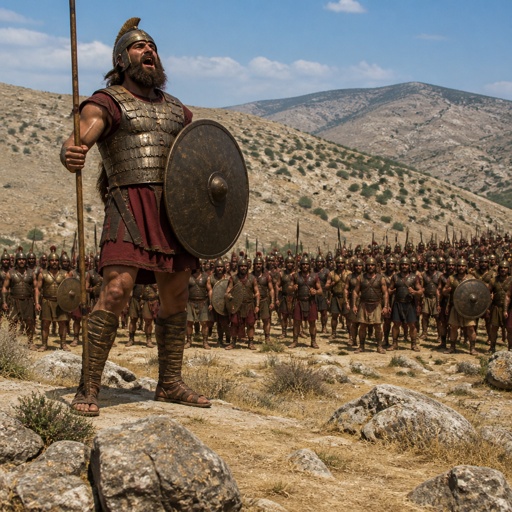
1 Samuel 17:4-8
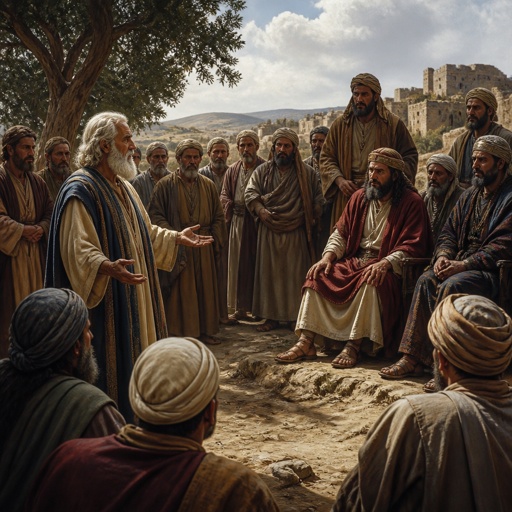
1 Samuel 8:19-22
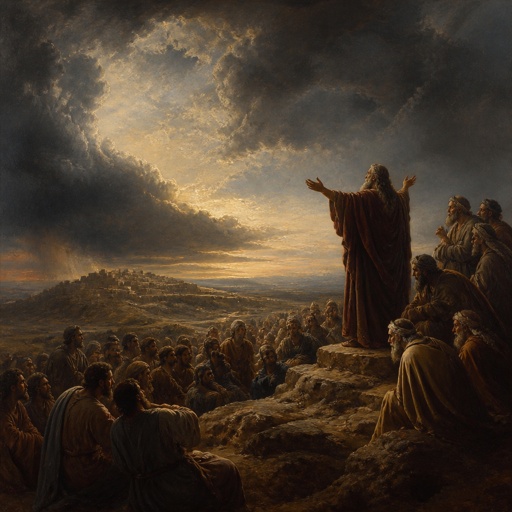
1 Samuel 8:19-22
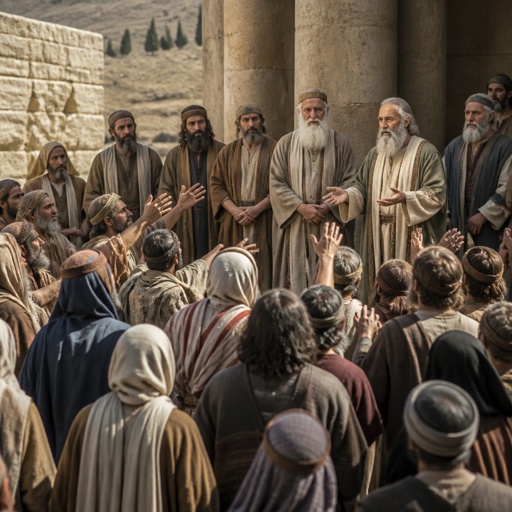
1 Samuel 8:7-9
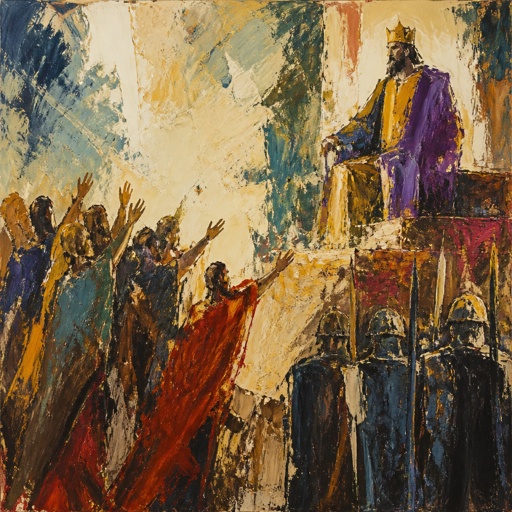
1 Samuel 8:19-23
1 Samuel 8:19-22