What does 1 Samuel 22:17 mean?
"¶ And the king said unto the footmen that stood about him, Turn, and slay the priests of the LORD; because their hand also is with David, and because they knew when he fled, and did not shew it to me. But the servants of the king would not put forth their hand to fall upon the priests of the LORD." - 1 Samuel 22:17
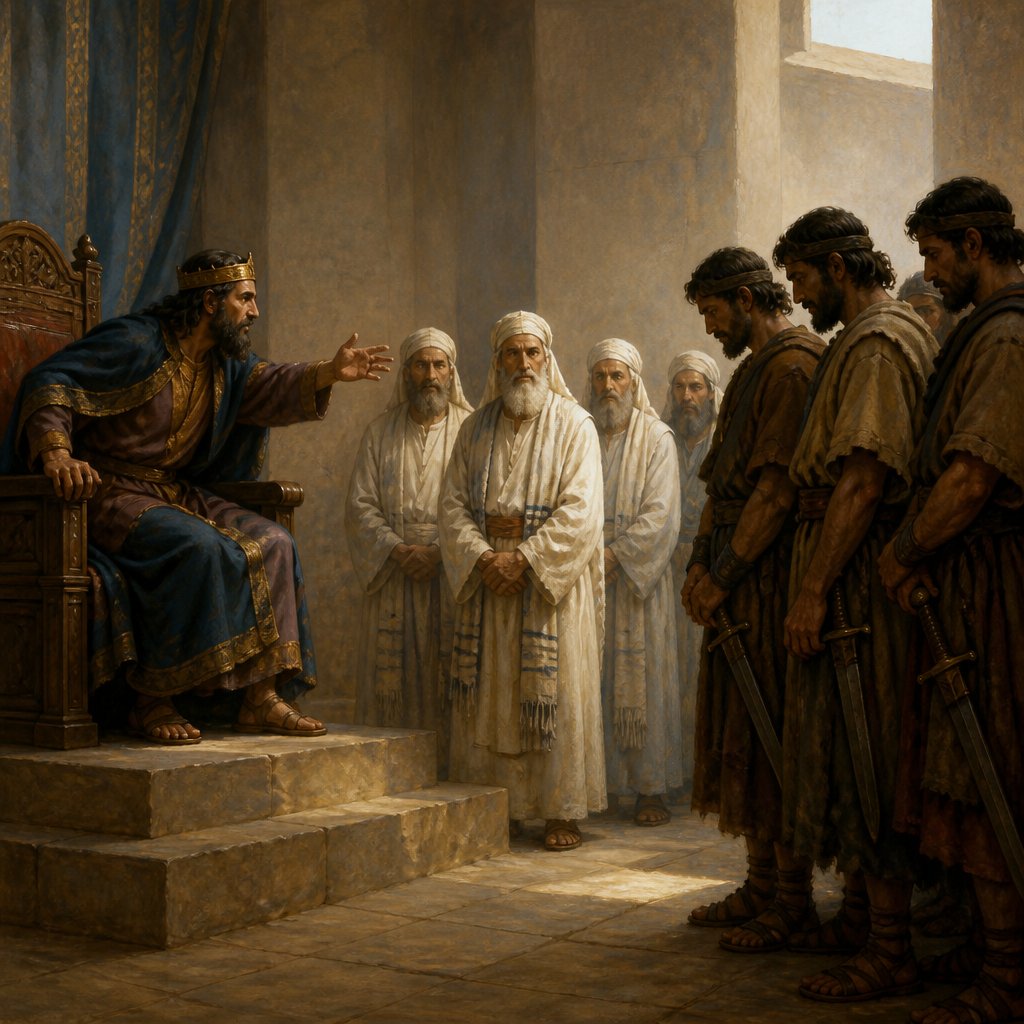
The Bible verse 1 Samuel 22:17 from the King James Version (KJV) states, "And the king said unto the footmen that stood about him, Turn, and slay the priests of the Lord; because their hand also is with David, and because they knew when he fled, and did not shew it to me. But the servants of the king would not put forth their hand to fall upon the priests of the Lord."
This verse comes from a larger narrative within the book of 1 Samuel, which tells the story of King Saul's relentless pursuit of David, who is seen as a threat to his throne. In this specific passage, King Saul is addressing his footmen, instructing them to kill the priests of the Lord, who have been perceived as aiding David in his escape from Saul's grasp.
The context of this verse is crucial in understanding its significance. David, a young shepherd boy, had found favor with God and had been anointed by the prophet Samuel to be the future king of Israel. However, King Saul, who was the current ruler, became jealous of David's popularity and success in battle, leading him to seek David's death. Consequently, David is forced to flee and seek refuge in various places, including the city of Nob where he encounters the priest Ahimelech.
In this passage, we see the depth of King Saul's paranoia and desperation to eliminate any perceived threat to his reign. The priests, who were seen as loyal servants of the Lord, are targeted simply for their association with David. King Saul's command to kill the priests reflects his extreme measures to maintain power, even at the expense of innocent lives who are devoted to serving God.
The theme of loyalty and betrayal is prevalent in this passage. King Saul accuses the priests of aligning themselves with David, whom he sees as a threat to his kingdom. However, the text reveals that the servants of the king refuse to carry out his orders, displaying a sense of loyalty and compassion towards the priests. Their refusal to harm the priests highlights the moral conflict faced by those serving under a tyrannical ruler, as they must choose between following the commands of their king or upholding their own sense of righteousness.
Additionally, this passage sheds light on the enduring theme of divine justice and protection. Despite the imminent danger faced by the priests at the hands of the king, they are ultimately spared by the servants who refuse to carry out the order. The refusal of the servants to harm the priests is a testament to the divine protection and intervention in the face of persecution. It illustrates the belief that those who are faithful to the Lord will ultimately be safeguarded from harm, even in the face of adversity.
The symbolism in this verse is rich and multi-layered. The priests serve as symbols of righteousness, faith, and devotion to God. Their willingness to assist David, who had been chosen by God, reflects their obedience to a higher power. In contrast, King Saul represents the corrupt and tyrannical ruler, driven by jealousy and selfish ambition. The refusal of the servants to carry out his command represents a struggle between good and evil, as well as the conflict between earthly authority and divine righteousness.
In conclusion, 1 Samuel 22:17 is a poignant and thought-provoking passage that delves into themes of loyalty, betrayal, divine justice, and the struggle between good and evil. It serves as a reminder of the enduring power of faith and righteousness, even in the face of persecution and opposition. The passage continues to resonate with readers as it offers timeless insights into the complexities of human nature and the unwavering protection of those who remain faithful to God.
Have questions about 1 Samuel 22:17?
Dive deeper into this scripture with Bible Chat — an AI-powered tool for exploring God's Word through conversation. Ask questions, get context, and grow in your understanding of the Bible.
Get Our Apps


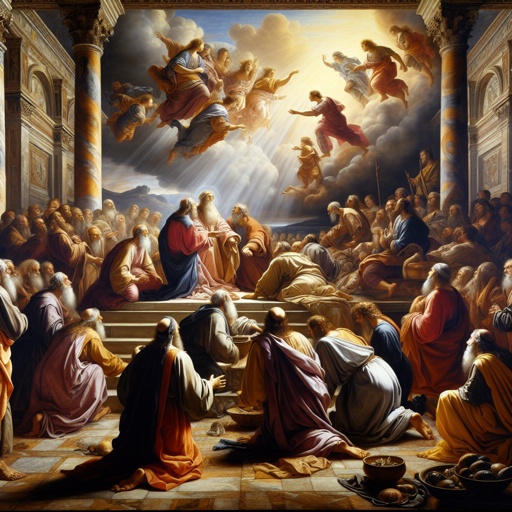
1 Samuel 22:17 Artwork
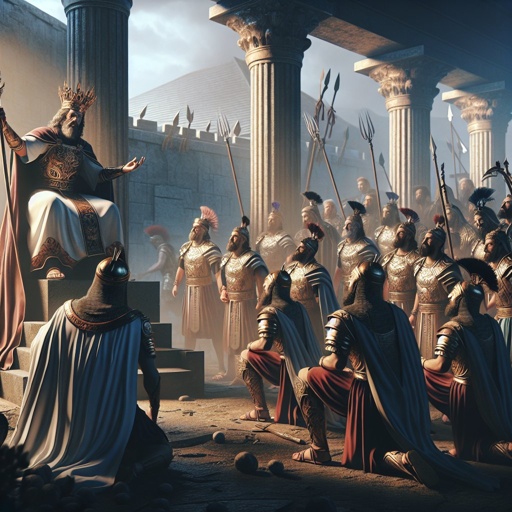
1 Samuel 22:17 - "¶ And the king said unto the footmen that stood about him, Turn, and slay the priests of the LORD; because their hand also is with David, and because they knew when he fled, and did not shew it to me. But the servants of the king would not put forth their hand to fall upon the priests of the LORD."
"¶ And the king said unto the footmen that stood about him, Turn, and slay the priests of the LORD; because their hand also is with David, and because they knew when he fled, and did not shew it to me. But the servants of the king would not put forth their hand to fall upon the priests of the LORD." - 1 Samuel 22:17

1 Samuel 17:22 - "And David left his carriage in the hand of the keeper of the carriage, and ran into the army, and came and saluted his brethren."

2 Samuel 22:17-20

2 Samuel 22:17 - "He sent from above, he took me; he drew me out of many waters;"

1 Samuel 10:17 - "¶ And Samuel called the people together unto the LORD to Mizpeh;"

1 Samuel 17:33

James 1:17-22

1 Samuel 1:15-17

2 Samuel 24:22

2 Samuel 24:22

2 Samuel 24:22

1 Samuel 15:22

1 Samuel 15:22

1 Samuel 17:34-35

1 Samuel 17:49

1 Samuel 17:45

1 Samuel 17:49

1 Samuel 17:45
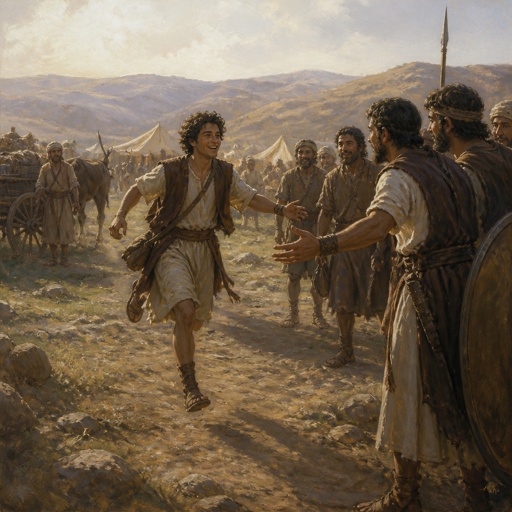
"And David left his carriage in the hand of the keeper of the carriage, and ran into the army, and came and saluted his brethren." - 1 Samuel 17:22

1 samuel 17:3

1 Samuel 17:49

1 Samuel 17:45
1 Samuel 17:49

Leviticus 23:17-22

1 Samuel 22:11-13

2 Samuel 17:22 - "Then David arose, and all the people that were with him, and they passed over Jordan: by the morning light there lacked not one of them that was not gone over Jordan."

2 Samuel 1. 17-27

1 Samuel 17:38-40

1 Samuel 17:14 - "And David was the youngest: and the three eldest followed Saul."