What does 1 Samuel 26:14 mean?
“And David cried to the people, and to Abner the son of Ner, saying, Answerest thou not, Abner? Then Abner answered and said, Who art thou that criest to the king?” — 1 Samuel 26:14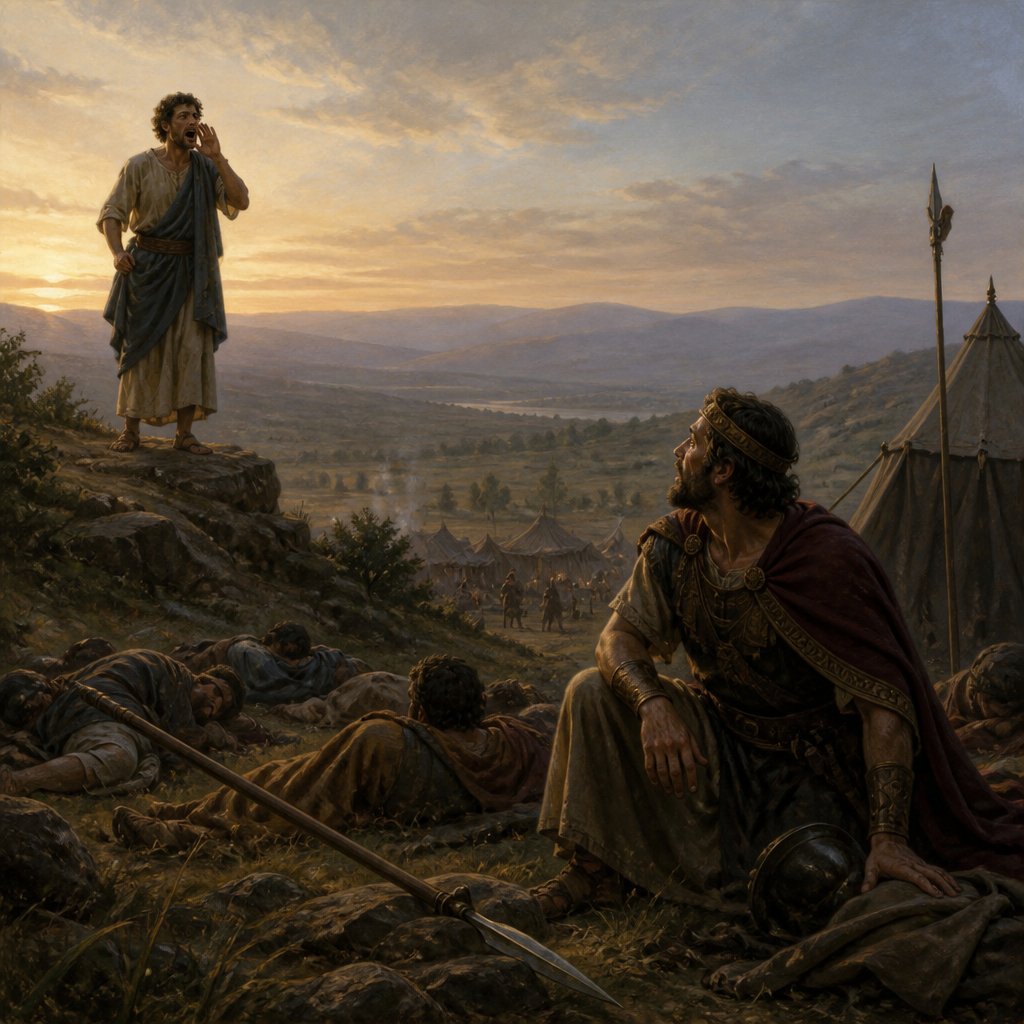
1 Samuel 26:14 (KJV) reads, "And David cried to the people, and to Abner the son of Ner, saying, Answerest thou not, Abner? Then Abner answered and said, Who art thou that criest to the king?"
This verse is part of the larger narrative of David's interactions with King Saul and his army. In this particular scene, David and his men are hiding in a wilderness, while Saul and his army are camped out nearby. David decides to sneak into Saul's camp at night, and he takes one of Saul's spears and a jug of water from the king's side. David uses these items to demonstrate to Saul that he could have easily killed him but chose not to, to show his innocence and lack of treason against the king. This verse in particular happens in the midst of this daring nighttime escapade.
The verse itself reflects a moment of tension and high stakes, as David calls out to Abner, one of Saul's most trusted commanders, to ask him why he's not more vigilant in guarding the king. Abner's response shows that he doesn't recognize David in the dark, leading to a close-call for David.
This verse can be interpreted in several ways, and there are several themes, context, and symbols that we can explore within the larger narrative of 1 Samuel 26. The primary themes include themes of loyalty, trust, power dynamics, and the struggle between good and evil.
One of the central themes of this passage is the theme of loyalty. David, though he has been anointed as the future king of Israel, remains loyal to Saul as the current king, even when given the opportunity to kill him. This willingness to show restraint and mercy despite the circumstances is a key element of David's character and a crucial theme in the biblical narrative. Abner, on the other hand, symbolizes loyalty to Saul, even in the face of potential danger.
Another prominent theme in this passage is the theme of trust. Both David and Abner are put in positions of trust and must navigate their loyalty and trust to their respective leaders. The way they handle this tense situation reveals a lot about their characters and the complex web of relationships within Saul's kingdom.
The power dynamics at play in this verse are also significant. David, despite being on the run and in hiding, still holds a certain power and influence. His daring actions in Saul's camp demonstrate his resourcefulness and his determination to fulfill the destiny that has been prophesied for him. Meanwhile, Abner represents the power and authority of Saul's regime, showing the control and structure that David is up against.
Finally, the struggle between good and evil is a constant theme throughout the biblical narrative, and it's present in this passage as well. David's actions are motivated by his desire to do what is right in the eyes of God, even when it means showing mercy to his enemy. On the other hand, Saul's kingdom is plagued by envy, violence, and a lack of faith in God, as evidenced by his constant pursuit of David. This struggle between righteousness and corruption is a crucial backdrop to the entire narrative of 1 Samuel.
In terms of symbolism, the spear that David takes from Saul's side and the jug of water hold significant meaning. The spear represents power and authority, and by taking it, David is symbolically showing Saul that he has the ability to take the throne if he chooses. However, David's decision to spare Saul's life, even with the king's own weapon in his possession, symbolizes his commitment to God's plan and his trust in divine justice. The jug of water serves as a physical reminder of the vulnerability of Saul in his sleep and the trust he places in his guards to keep him safe.
In conclusion, 1 Samuel 26:14 is a rich and complex verse that is part of a larger narrative about power, loyalty, trust, and the struggle between good and evil. The depth and nuance of this passage allow for a myriad of interpretations and lessons that can be gleaned from it. Ultimately, it serves as a reminder of the importance of remaining faithful to God's plan, even in the face of great adversity.
Get our apps


Artwork for 1 Samuel 26:14

1 Samuel 26:14 - "And David cried to the people, and to Abner the son of Ner, saying, Answerest thou not, Abner? Then Abner answered and said, Who art thou that criest to the king?"
"And David cried to the people, and to Abner the son of Ner, saying, Answerest thou not, Abner? Then Abner answered and said, Who art thou that criest to the king?" - 1 Samuel 26:14

1 Samuel 14:26 - "And when the people were come into the wood, behold, the honey dropped; but no man put his hand to his mouth: for the people feared the oath."

1 Samuel 2:26 - "And the child Samuel grew on, and was in favour both with the LORD, and also with men."

1 Kings 14:26
1 Kings 14:26

1 Corinthians 14:26-33

1 Samuel 14:6

1 Samuel 14:27
1 Samuel 13:14

2 Samuel 6:14

1 Samuel 14:7

1 Samuel 11:14 - "Then said Samuel to the people, Come, and let us go to Gilgal, and renew the kingdom there."

1 Samuel 15:26 (KJVA) 26 And Samuel said unto Saul, I will not return with thee: for thou hast rejected the word of the LORD, and the LORD hath rejected thee from being king over Israel.

1 Samuel 26:4 - "David therefore sent out spies, and understood that Saul was come in very deed."

1 Samuel 26:1 - "And the Ziphites came unto Saul to Gibeah, saying, Doth not David hide himself in the hill of Hachilah, which is before Jeshimon?"
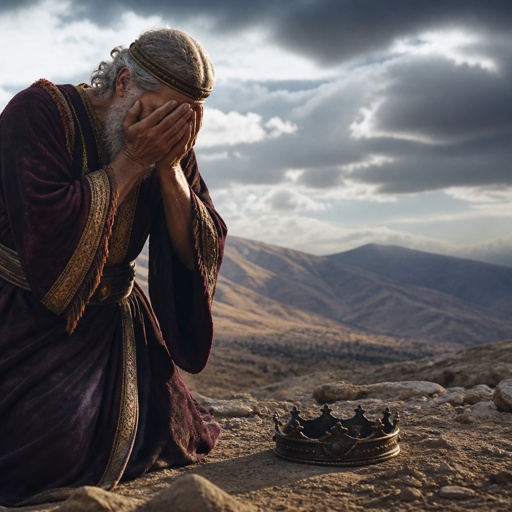
1 Samuel 13:13-14

1 Samuel 17:14 - "And David was the youngest: and the three eldest followed Saul."
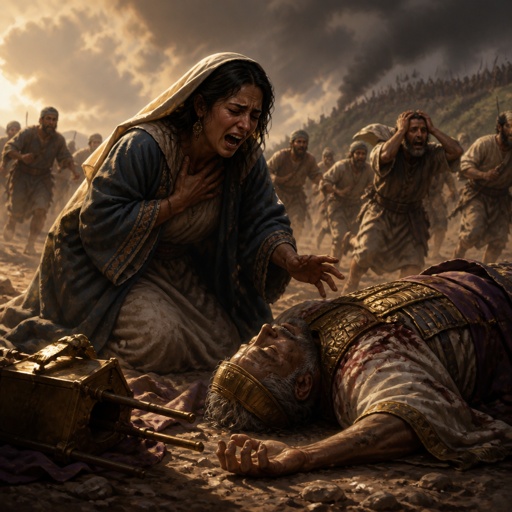
1 Samuel 4:14-16

1 Samuel 15:26 - "And Samuel said unto Saul, I will not return with thee: for thou hast rejected the word of the LORD, and the LORD hath rejected thee from being king over Israel."

1 Samuel 9:26 - "And they arose early: and it came to pass about the spring of the day, that Samuel called Saul to the top of the house, saying, Up, that I may send thee away. And Saul arose, and they went out both of them, he and Samuel, abroad."

1 Samuel 15:14 - "And Samuel said, What meaneth then this bleating of the sheep in mine ears, and the lowing of the oxen which I hear?"

"And the child Samuel grew on, and was in favour both with the LORD, and also with men." - 1 Samuel 2:26
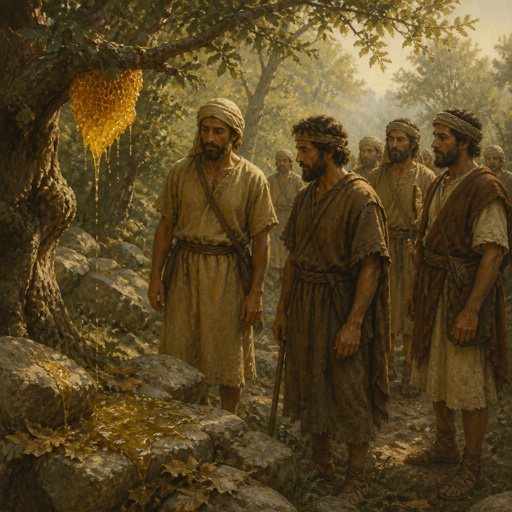
"And when the people were come into the wood, behold, the honey dropped; but no man put his hand to his mouth: for the people feared the oath." - 1 Samuel 14:26

1 Samuel 14:51 - "And Kish was the father of Saul; and Ner the father of Abner was the son of Abiel."

1 Samuel 10:26 - "¶ And Saul also went home to Gibeah; and there went with him a band of men, whose hearts God had touched."

1 Samuel 14:25 - "And all they of the land came to a wood; and there was honey upon the ground."

1 Samuel 26:22 - "And David answered and said, Behold the king's spear! and let one of the young men come over and fetch it."

1 Samuel 9:14 - "And they went up into the city: and when they were come into the city, behold, Samuel came out against them, for to go up to the high place."

1 Samuel 1:26 - "And she said, Oh my lord, as thy soul liveth, my lord, I am the woman that stood by thee here, praying unto the LORD."