What does 1 Samuel 28:3 mean?
“Now Samuel was dead, and all Israel had lamented him, and buried him in Ramah, even in his own city. And Saul had put away those that had familiar spirits, and the wizards, out of the land.” — 1 Samuel 28:3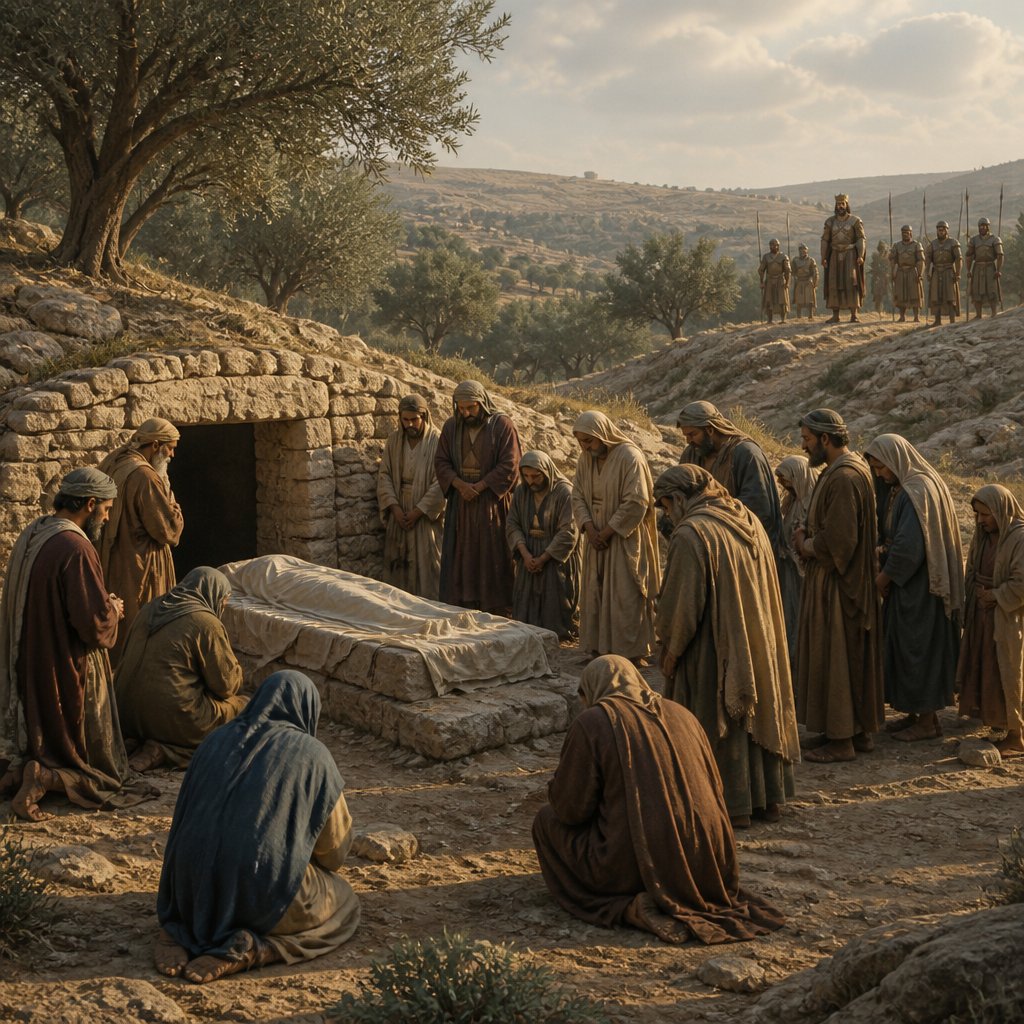
In 1 Samuel 28:3 of the King James Version, the verse reads: "Now Samuel was dead, and all Israel had lamented him, and buried him in Ramah, even in his own city. And Saul had put away those that had familiar spirits, and the wizards, out of the land."
This verse comes from the book of 1 Samuel, which is a historical narrative in the Old Testament detailing the transition of leadership from judges to kings in the nation of Israel. The verse marks a significant turning point in the story of King Saul, as it captures the bleak and desperate state of the king at this time.
The context of this verse is essential for understanding its significance. Samuel, the last of the judges, had died, and Israel had mourned his passing. Samuel had been a significant spiritual leader and prophet in the nation, and his death was an immense loss to the people. It is important to note that Samuel had also played a pivotal role in Saul's rise to power as the first king of Israel. The fact that Samuel had died marked the end of an era for the nation and added to the sense of despair and uncertainty.
Furthermore, the verse mentions that Saul had expelled those who practiced witchcraft and consulted with mediums, effectively banning them from the land of Israel. This aligns with the religious and moral guidelines established in the Mosaic Law, which explicitly forbids the practice of witchcraft and sorcery (Deuteronomy 18:10-12). Despite this biblical prohibition, there were still those who engaged in these forbidden practices, and Saul's expulsion of them may have been an attempt to appease God and seek guidance through more legitimate channels.
The theme of spiritual desperation and seeking supernatural guidance is a central focus of this verse. With the death of Samuel, Saul found himself in a precarious position, facing impending warfare against the Philistines and lacking the guidance of the prophet. In his desperation, Saul sought an alternative source of spiritual insight, leading him to seek out a medium to summon the spirit of Samuel (1 Samuel 28:7-25). This act of consulting a medium reflects Saul's state of desperation and departure from God's guidance, ultimately leading to his downfall.
The verse also serves as a warning about the dangers of turning to forbidden spiritual practices in times of distress. The banishment of mediums and spiritists from the land indicates a broader issue of spiritual rebellion and disobedience within Israel. Saul's decision to consult a medium highlights the corrupt and morally bankrupt state of his leadership, leading to dire consequences for himself and the nation.
Additionally, the verse speaks to the broader theme of the consequences of disobedience and the importance of seeking God's guidance. Throughout the biblical narrative, obedience to God's commands is consistently emphasized as essential for the well-being and prosperity of the nation. Saul's decision to seek guidance from a medium instead of turning to God ultimately led to his downfall and death in battle (1 Samuel 31:1-6). This serves as a sobering reminder of the severe consequences of disobedience and the importance of remaining faithful to God's instructions.
In conclusion, 1 Samuel 28:3 encapsulates the spiritual and moral decline of King Saul and the nation of Israel during a time of desperation and uncertainty. The verse serves as a cautionary tale about the consequences of turning away from God and seeking guidance through forbidden means. It also underscores the importance of obedience to God's commands and the perils of spiritual rebellion. Ultimately, the verse highlights the significance of seeking God's guidance and walking in obedience to His will.
Get our apps


Artwork for 1 Samuel 28:3

1 Samuel 28:3 - "¶ Now Samuel was dead, and all Israel had lamented him, and buried him in Ramah, even in his own city. And Saul had put away those that had familiar spirits, and the wizards, out of the land."
"¶ Now Samuel was dead, and all Israel had lamented him, and buried him in Ramah, even in his own city. And Saul had put away those that had familiar spirits, and the wizards, out of the land." - 1 Samuel 28:3

1 Samuel 28:15

1 Samuel 28:7

1 Samuel 28:15-19

1 Samuel 28:15-20

1 Samuel 28:15 Saul is desperate

1 Chronicles 6:28 - "And the sons of Samuel; the firstborn Vashni, and Abiah."

Daniel 3:28

1 Samuel 28:11 - "Then said the woman, Whom shall I bring up unto thee? And he said, Bring me up Samuel."

1 Samuel 28:16 - "Then said Samuel, Wherefore then dost thou ask of me, seeing the LORD is departed from thee, and is become thine enemy?"

Job 28:3

1 Samuel 18:28 - "¶ And Saul saw and knew that the LORD was with David, and that Michal Saul's daughter loved him."
1 Samuel 3:1

1 Samuel 3:1

1 Samuel 28:12 - "And when the woman saw Samuel, she cried with a loud voice: and the woman spake to Saul, saying, Why hast thou deceived me? for thou art Saul."

1 Samuel 20:28 - "And Jonathan answered Saul, David earnestly asked leave of me to go to Beth-lehem:"

1 Samuel 28:5 - "And when Saul saw the host of the Philistines, he was afraid, and his heart greatly trembled."

1 Samuel 3:3 - "And ere the lamp of God went out in the temple of the LORD, where the ark of God was, and Samuel was laid down to sleep;"

1 Samuel 3:10 - "And the LORD came, and stood, and called as at other times, Samuel, Samuel. Then Samuel answered, Speak; for thy servant heareth."

1 Samuel 15:28 - "And Samuel said unto him, The LORD hath rent the kingdom of Israel from thee this day, and hath given it to a neighbour of thine, that is better than thou."

1 Samuel 28:10 - "And Saul sware to her by the LORD, saying, As the LORD liveth, there shall no punishment happen to thee for this thing."

1 Samuel 3:16 - "Then Eli called Samuel, and said, Samuel, my son. And he answered, Here am I."

2 Samuel 3:28 - "¶ And afterward when David heard it, he said, I and my kingdom are guiltless before the LORD for ever from the blood of Abner the son of Ner:"

1 Samuel 3:1-10

1 Samuel 3:4 - "That the LORD called Samuel: and he answered, Here am I."

1 Samuel 28:20 - "Then Saul fell straightway all along on the earth, and was sore afraid, because of the words of Samuel: and there was no strength in him; for he had eaten no bread all the day, nor all the night."

1 Samuel 3:15 - "¶ And Samuel lay until the morning, and opened the doors of the house of the LORD. And Samuel feared to shew Eli the vision."

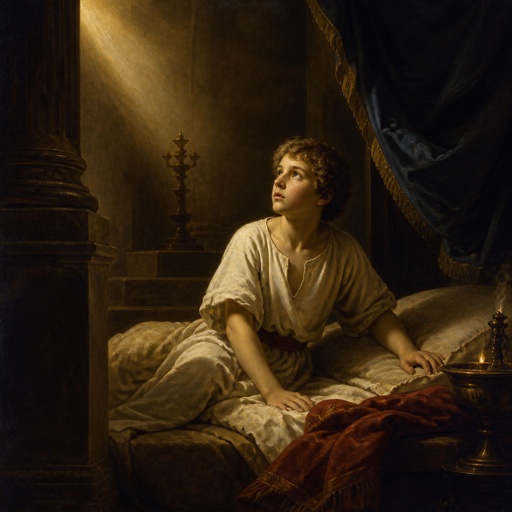
1 Samuel 3:1 - "And the child Samuel ministered unto the LORD before Eli. And the word of the LORD was precious in those days; there was no open vision."

1 Samuel 28:6 - "And when Saul enquired of the LORD, the LORD answered him not, neither by dreams, nor by Urim, nor by prophets."