What does 1 Samuel 3:13 mean?
“For I have told him that I will judge his house for ever for the iniquity which he knoweth; because his sons made themselves vile, and he restrained them not.” — 1 Samuel 3:13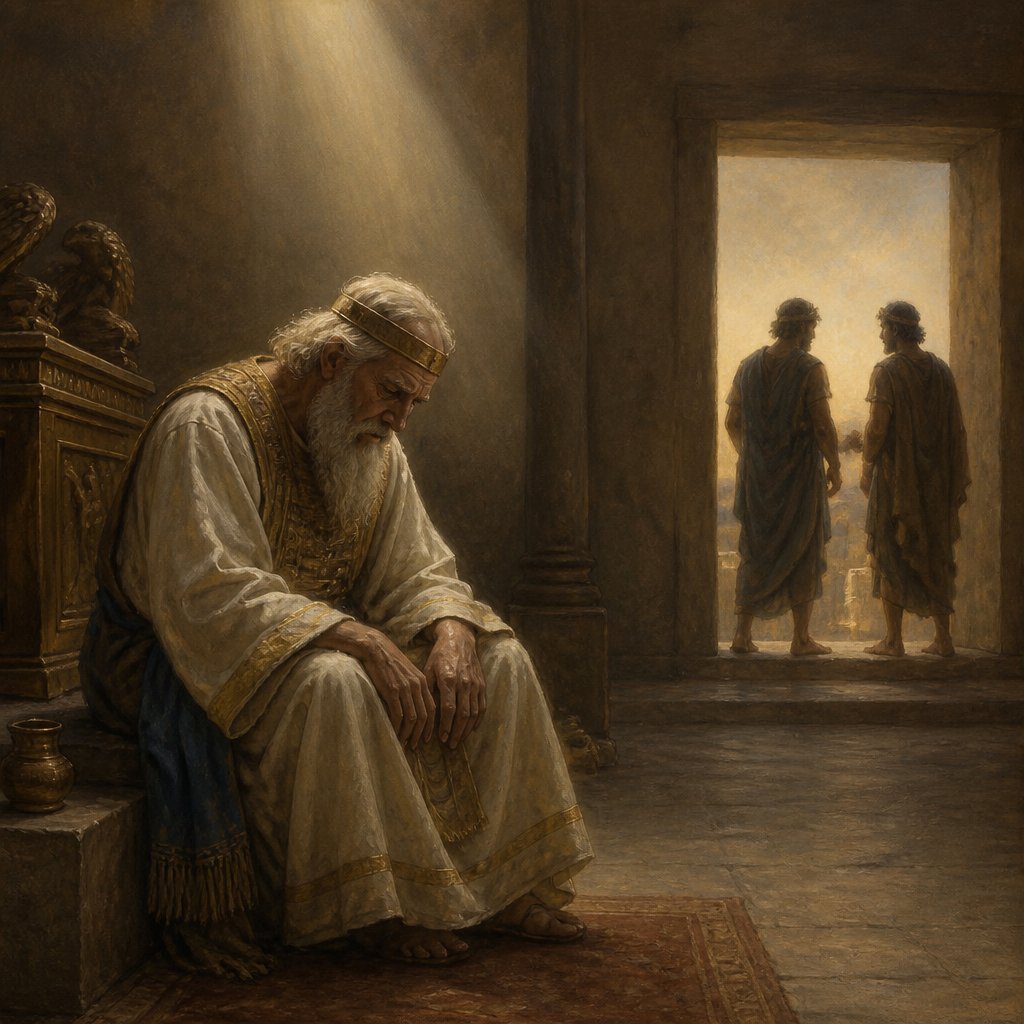
The verse 1 Samuel 3:13 from the King James Version of the Bible states, "For I have told him that I will judge his house for ever for the iniquity which he knoweth; because his sons made themselves vile, and he restrained them not."
This verse is part of the story of the prophet Samuel, who was chosen by God as a young boy to become a prophet and judge over the people of Israel. In this particular verse, God is speaking to Samuel about the judgment that will come upon the house of Eli, the high priest of Israel, and his sons.
The context of this verse goes back to the beginning of 1 Samuel, where we learn about the corruption and wickedness of Eli's sons, Hophni and Phinehas, who were also priests at the tabernacle in Shiloh. These men abused their position of authority, taking advantage of the Israelites and dishonoring God with their blatant disregard for the laws and commands of God. Despite Eli being aware of his sons' sinful behavior, he failed to take any meaningful action to restrain or discipline them, leading to a situation where their actions brought dishonor and punishment upon the entire household of Eli.
The themes presented in this verse are related to the consequences of sin, the responsibility of those in positions of authority, and the judgment of God. The verse highlights the idea that God holds individuals accountable for their actions, especially those who hold positions of leadership and authority. In this case, Eli, as the high priest and leader of the religious community, is held responsible for the actions of his sons and for his failure to restrain them.
The verse also emphasizes the concept of divine judgment and the moral responsibility of individuals. It conveys the message that individuals are accountable for their actions and that God, as the ultimate judge, will bring consequences for unrepentant sin and disobedience.
Furthermore, the symbolism in this verse is significant. The "house of Eli" represents not only his physical family but also his spiritual lineage and leadership role within the religious community. The judgment that God declares upon his house symbolizes the consequences of unfaithfulness and disobedience to God's commands. It also serves as a warning to others in positions of authority about the importance of upholding righteousness and discipline within their spheres of influence.
Overall, 1 Samuel 3:13 serves as a powerful reminder of the importance of moral responsibility, the consequences of sin, and the justice and judgment of God. It also highlights the themes of leadership, accountability, and the moral decay that can result from neglecting to confront and correct wrongdoing. This verse challenges readers to consider their own actions and the impact of their leadership on those under their care, reminding them of the need to uphold righteousness and discipline in all aspects of life.
Get our apps


Artwork for 1 Samuel 3:13

1 Samuel 3:13 - "For I have told him that I will judge his house for ever for the iniquity which he knoweth; because his sons made themselves vile, and he restrained them not."
"For I have told him that I will judge his house for ever for the iniquity which he knoweth; because his sons made themselves vile, and he restrained them not." - 1 Samuel 3:13

1 Samuel 13:3

1 Samuel 13:3 - "And Jonathan smote the garrison of the Philistines that was in Geba, and the Philistines heard of it. And Saul blew the trumpet throughout all the land, saying, Let the Hebrews hear."

1 Samuel 13:13-14

1 Samuel 3:1

1 Samuel 3:21

1 Samuel 3:1

1 Samuel 3:21
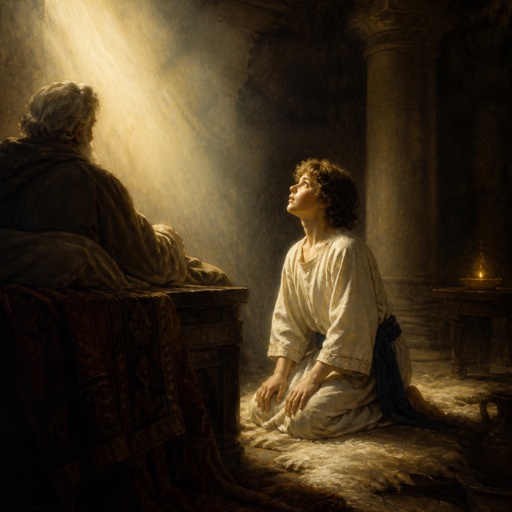
1 Samuel 3:21

1 Samuel 3:21

1 Samuel 16:1–13

1 Samuel 3:1-10
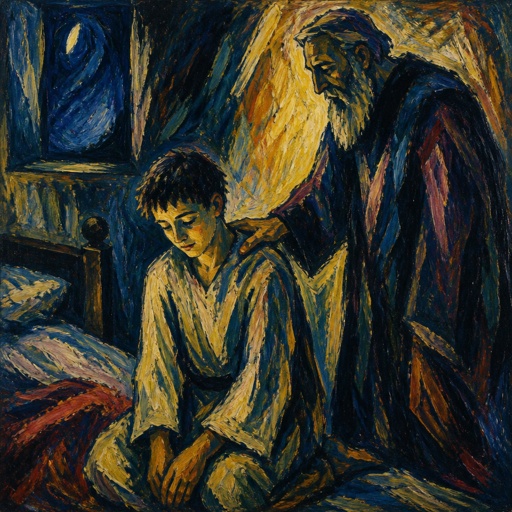
1 Samuel 3:17-18

1 Samuel 3:19-21

1 Samuel 13:11

1 Samuel 12:13

1 Samuel 13:14

1 Samuel 12:13

1 Samuel 3:3 - "And ere the lamp of God went out in the temple of the LORD, where the ark of God was, and Samuel was laid down to sleep;"

1 Samuel 3:10 - "And the LORD came, and stood, and called as at other times, Samuel, Samuel. Then Samuel answered, Speak; for thy servant heareth."

1 Samuel 3:16 - "Then Eli called Samuel, and said, Samuel, my son. And he answered, Here am I."

1 Samuel 3:4 - "That the LORD called Samuel: and he answered, Here am I."

1 Samuel 22:11-13

1 Samuel 3:15 - "¶ And Samuel lay until the morning, and opened the doors of the house of the LORD. And Samuel feared to shew Eli the vision."

1 Samuel 3:1 - "And the child Samuel ministered unto the LORD before Eli. And the word of the LORD was precious in those days; there was no open vision."

1 Samuel 15:13 - "And Samuel came to Saul: and Saul said unto him, Blessed be thou of the LORD: I have performed the commandment of the LORD."

1 Samuel 13:8 - "¶ And he tarried seven days, according to the set time that Samuel had appointed: but Samuel came not to Gilgal; and the people were scattered from him."

1 Samuel 12:3

1 samuel 17:3