What does 1 Samuel 3:5 mean?
“And he ran unto Eli, and said, Here am I; for thou calledst me. And he said, I called not; lie down again. And he went and lay down.” — 1 Samuel 3:5
The verse 1 Samuel 3:5 in the King James Version of the Bible reads, "And he ran unto Eli, and said, Here am I; for thou calledst me. And he said, I called not; lie down again. And he went and lay down." This verse is part of a larger passage which tells the story of Samuel, a young boy who served in the house of the Lord under the guidance of the priest Eli. The verse itself describes an important moment in Samuel's life, during which he receives a call from the Lord.
The book of 1 Samuel is set during a tumultuous period in Israel's history, as the people transition from the rule of judges to the establishment of a monarchy. This transition is marked by both political and spiritual upheaval, as the people struggle to remain faithful to God and follow his guidance. The story of Samuel's call by God is an important part of this larger narrative, as it demonstrates God's continued involvement in the lives of his people and his desire to communicate with them.
The verse begins with Samuel running to Eli, the priest, after hearing a voice calling his name. This demonstrates Samuel's eagerness to serve and his willingness to respond to the call of the Lord. His response, "Here am I; for thou calledst me," shows his readiness to obey and his belief that the voice he heard was indeed from the Lord. However, Eli tells Samuel that he did not call him and instructs him to lie down again. This moment of confusion and uncertainty sets the stage for the revelation that follows.
This passage can be seen as a lesson in discerning the voice of God. Samuel initially mistakes the voice of the Lord for that of Eli, the human authority figure in his life. This reflects the challenge that many people face in distinguishing between their own desires or expectations and the true guidance of God. It also underscores the importance of guidance from spiritual mentors and the need to carefully consider and test the messages we receive. Additionally, the passage serves as a reminder that God often calls us when we least expect it, and in ways that may surprise or confuse us.
The context of this verse is also significant. At the time of this story, the word of the Lord was rare and visions were not widespread. This sets the stage for the importance of Samuel's call and the impact it has on the people of Israel. The lack of communication from God further emphasizes the significance of Samuel's experience and highlights the importance of prophets and spiritual leaders in conveying God's message to the people.
Symbolism plays a major role in this verse, particularly in the actions and responses of Samuel and Eli. Samuel's readiness to respond to the call of the Lord symbolizes the qualities of obedience, faith, and humility that are necessary in a faithful servant of God. Eli's role as a mentor and guide to Samuel symbolizes the importance of spiritual leadership and the role of elders in nurturing the faith of the younger generation. Additionally, the idea of hearing and discerning the voice of God can be seen as a symbol of the broader theme of spiritual discernment and the importance of seeking and following God's will.
In conclusion, 1 Samuel 3:5 is a rich and complex verse that offers important insights into the nature of communication with God, the challenges of discerning his voice, and the role of spiritual leaders in guiding and nurturing the faith of others. The story of Samuel's call by God is a powerful reminder of God's ongoing involvement in the lives of his people and his desire to communicate with them. It also serves as a model of faith and obedience for believers today, reminding us to be open and responsive to the call of the Lord, even when it comes in unexpected ways.
Get our apps


Artwork for 1 Samuel 3:5

1 Samuel 3:5 - "And he ran unto Eli, and said, Here am I; for thou calledst me. And he said, I called not; lie down again. And he went and lay down."

"And he ran unto Eli, and said, Here am I; for thou calledst me. And he said, I called not; lie down again. And he went and lay down." - 1 Samuel 3:5

1 Samuel 5: 3-4

2 Samuel 3:5 - "And the sixth, Ithream, by Eglah David's wife. These were born to David in Hebron."

1 Samuel 3:1

1 Samuel 3:21

1 Samuel 3:1
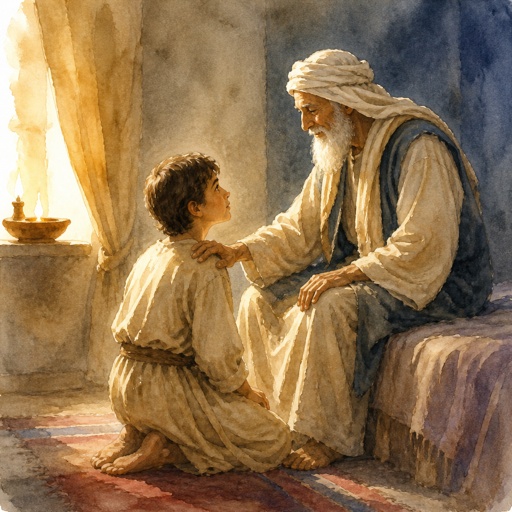
1 Samuel 3:21
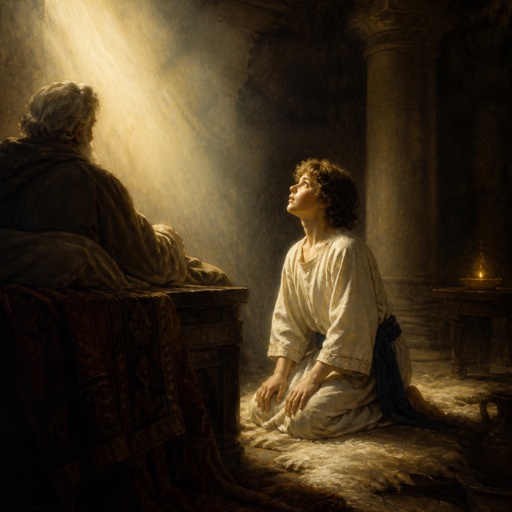
1 Samuel 3:21

1 Samuel 3:21

1 Samuel 5:3 - "¶ And when they of Ashdod arose early on the morrow, behold, Dagon was fallen upon his face to the earth before the ark of the LORD. And they took Dagon, and set him in his place again."

1 Samuel 3:1-10
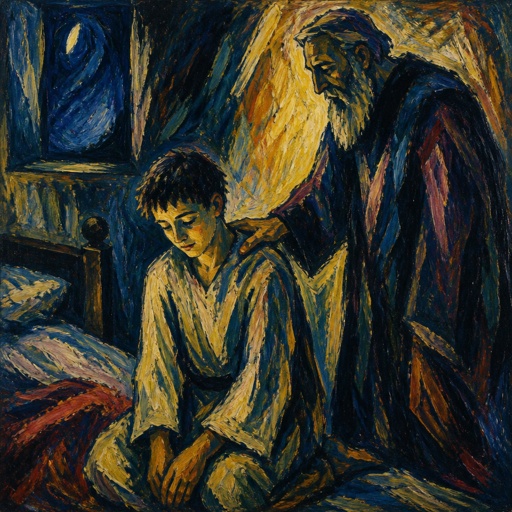
1 Samuel 3:17-18
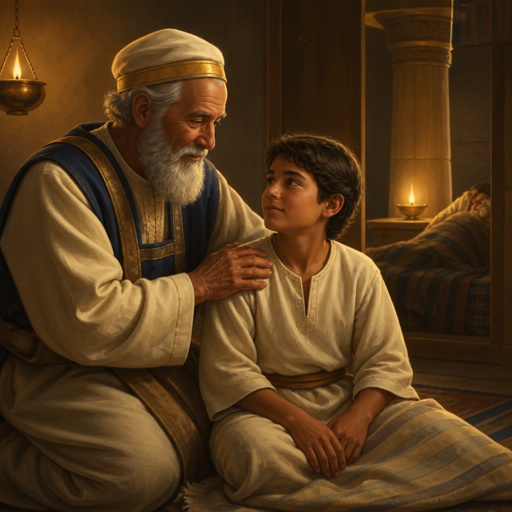
1 Samuel 3:19-21

1 Samuel 3:3 - "And ere the lamp of God went out in the temple of the LORD, where the ark of God was, and Samuel was laid down to sleep;"

1 Samuel 3:10 - "And the LORD came, and stood, and called as at other times, Samuel, Samuel. Then Samuel answered, Speak; for thy servant heareth."

1 Samuel 3:16 - "Then Eli called Samuel, and said, Samuel, my son. And he answered, Here am I."

1 Samuel 3:4 - "That the LORD called Samuel: and he answered, Here am I."

1 Samuel 3:15 - "¶ And Samuel lay until the morning, and opened the doors of the house of the LORD. And Samuel feared to shew Eli the vision."

1 Samuel 3:1 - "And the child Samuel ministered unto the LORD before Eli. And the word of the LORD was precious in those days; there was no open vision."

1 Samuel 7:5 - "And Samuel said, Gather all Israel to Mizpeh, and I will pray for you unto the LORD."
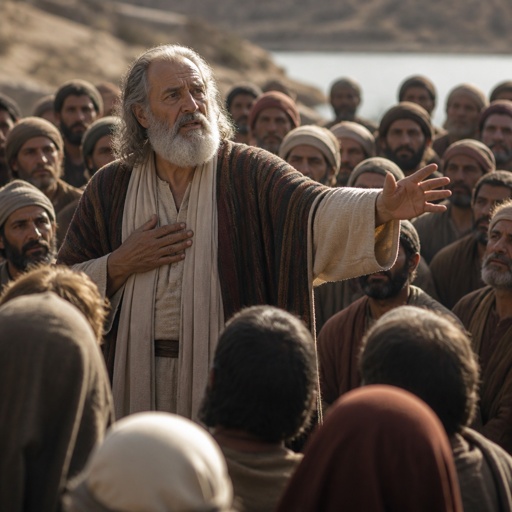
1 Samuel 12:3

1 samuel 17:3
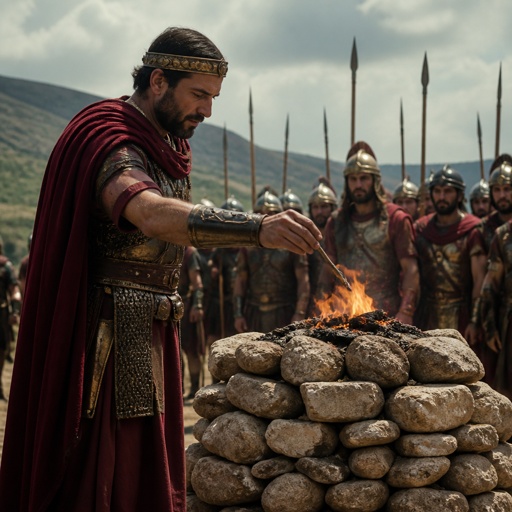
1 Samuel 13:3

1 Samuel 3:19 - "¶ And Samuel grew, and the LORD was with him, and did let none of his words fall to the ground."

1 Samuel 3:21 - "And the LORD appeared again in Shiloh: for the LORD revealed himself to Samuel in Shiloh by the word of the LORD."

1 Samuel 15:5 - "And Saul came to a city of Amalek, and laid wait in the valley."

1 Samuel 3:20 - "And all Israel from Dan even to Beer-sheba knew that Samuel was established to be a prophet of the LORD."

1 Samuel 5:1 - "And the Philistines took the ark of God, and brought it from Eben-ezer unto Ashdod."

1 Samuel 3:7 - "Now Samuel did not yet know the LORD, neither was the word of the LORD yet revealed unto him."