What does 1 Samuel 6:10 mean?
“And the men did so; and took two milch kine, and tied them to the cart, and shut up their calves at home:” — 1 Samuel 6:10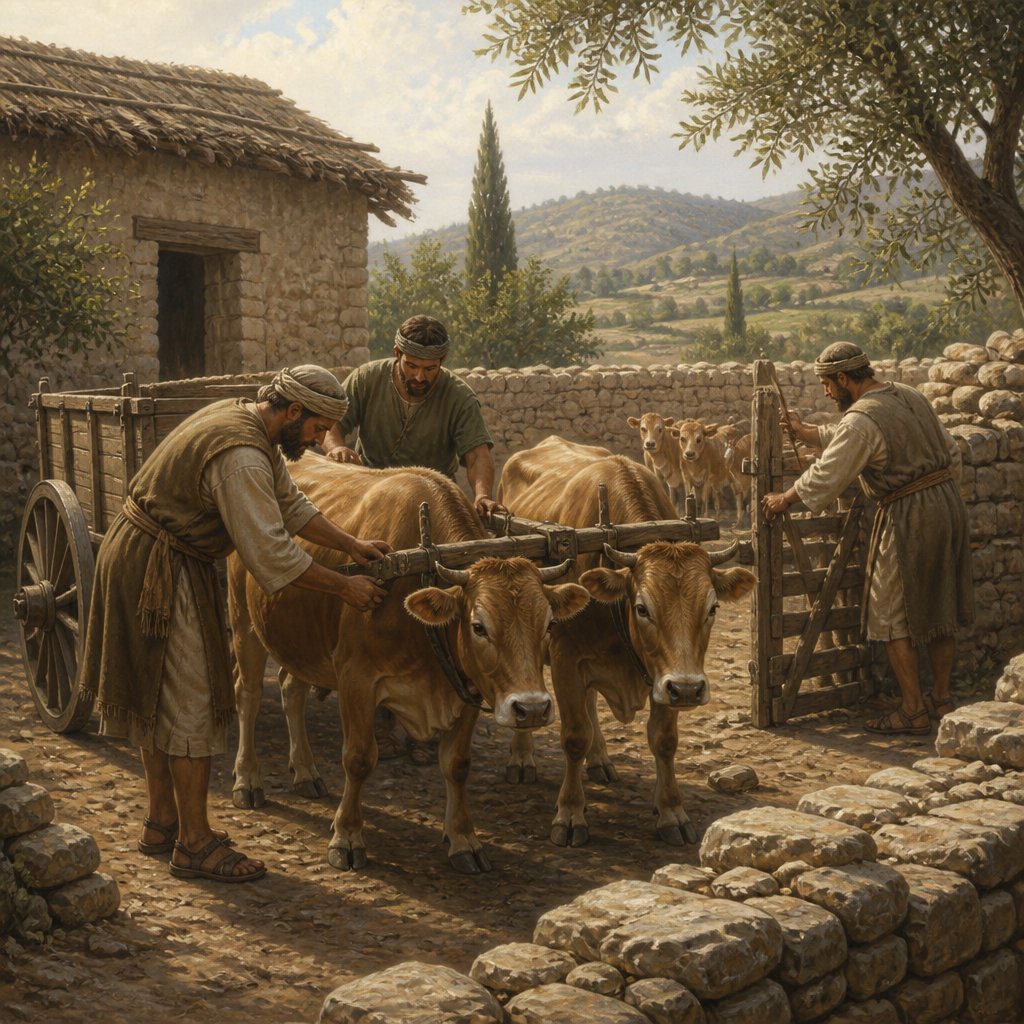
In 1 Samuel 6:10, the King James Version (KJV) reads: "And the men did so; and took two milch kine, and tied them to the cart, and shut up their calves at home." This verse is part of the story of the Ark of the Covenant being returned to the Israelites by the Philistines.
The context of 1 Samuel 6:10 is important to understand the significance of this verse. At this point in the narrative, the Philistines had captured the Ark of the Covenant, which was a sacred and important symbol of God's presence among the Israelites. However, the Philistines soon experienced a series of plagues and misfortunes, which they attributed to the presence of the Ark in their midst. As a result, they decided to return the Ark to the Israelites, along with an offering of gold to make amends.
In this verse, the men of the Philistines are following the instructions given to them by their priests and diviners regarding how to return the Ark. They are to take two milch kine, or milking cows, and tie them to a cart. They are also instructed to separate the calves from their mothers at home, leaving the cows to naturally pull the cart back to Israel.
The symbolism in this verse is rich and multi-layered. The use of the milch kine and their attachment to the cart can be seen as a symbolic act of atonement by the Philistines. In ancient Israelite culture, it was common to use animals in sacrificial rituals to seek forgiveness and reconciliation. By using these animals to transport the Ark back to the Israelites, the Philistines are acknowledging their wrongdoing and seeking to make amends for the offense they have caused.
The act of separating the calves from their mothers is also significant. In the natural order of things, a mother cow would be driven by her instinct to stay with her young, especially during the weaning period. By separating the cows from their calves, the Philistines are creating a situation where the natural order is disrupted. This disruption serves as a metaphor for the upheaval and discord that the presence of the Ark has caused among the Philistines. It is a visual demonstration of the need for reconciliation and restoration of harmony.
Additionally, the use of a cart as the means of transportation for the Ark is a deliberate choice with its own symbolic implications. Throughout the Bible, the use of a cart often represents a secular and worldly approach to dealing with sacred things. In this case, the Philistines are using a cart, a common mode of transportation for goods, to return the sacred Ark to the Israelites. This can be interpreted as a recognition by the Philistines that they have treated the Ark in a worldly and disrespectful manner, and they are now seeking to rectify this by returning it with the appropriate reverence and honor it deserves.
Overall, 1 Samuel 6:10 is a pivotal verse in the story of the return of the Ark of the Covenant. It encapsulates the themes of atonement, reconciliation, and the acknowledgment of sacredness. The symbolism of the milch kine, the cart, and the separation of the calves all serve to illustrate the deep spiritual and cultural significance of this event. Through these symbolic actions, the Philistines seek to make amends and restore harmony with the Israelites, ultimately highlighting the importance of honoring and respecting sacred objects and beliefs.
Get our apps


Artwork for 1 Samuel 6:10

1 Samuel 6:10 - "¶ And the men did so; and took two milch kine, and tied them to the cart, and shut up their calves at home:"
"¶ And the men did so; and took two milch kine, and tied them to the cart, and shut up their calves at home:" - 1 Samuel 6:10

1 Samuel 10:6 - "And the Spirit of the LORD will come upon thee, and thou shalt prophesy with them, and shalt be turned into another man."

1 Samuel 10:1 Samuel anoniting Saul

1 Samuel 15:10 - "¶ Then came the word of the LORD unto Samuel, saying,"

1 Samuel 10:17 - "¶ And Samuel called the people together unto the LORD to Mizpeh;"

1 Samuel 3:10 - "And the LORD came, and stood, and called as at other times, Samuel, Samuel. Then Samuel answered, Speak; for thy servant heareth."

1 Samuel 14:6

1 Samuel 3:1-10

1 Samuel 8:10 - "¶ And Samuel told all the words of the LORD unto the people that asked of him a king."

1 Samuel 8:6 - "¶ But the thing displeased Samuel, when they said, Give us a king to judge us. And Samuel prayed unto the LORD."

1 Samuel 6:1 - "And the ark of the LORD was in the country of the Philistines seven months."

2 Samuel 6:14

1 Samuel 16:10 - "Again, Jesse made seven of his sons to pass before Samuel. And Samuel said unto Jesse, The LORD hath not chosen these."

1 Samuel 10:20 - "And when Samuel had caused all the tribes of Israel to come near, the tribe of Benjamin was taken."

2 Samuel 6:10 - "So David would not remove the ark of the LORD unto him into the city of David: but David carried it aside into the house of Obed-edom the Gittite."

1 Samuel 1:10 - "And she was in bitterness of soul, and prayed unto the LORD, and wept sore."

1 Samuel 21:10-15

1 Samuel 10:15 - "And Saul's uncle said, Tell me, I pray thee, what Samuel said unto you."
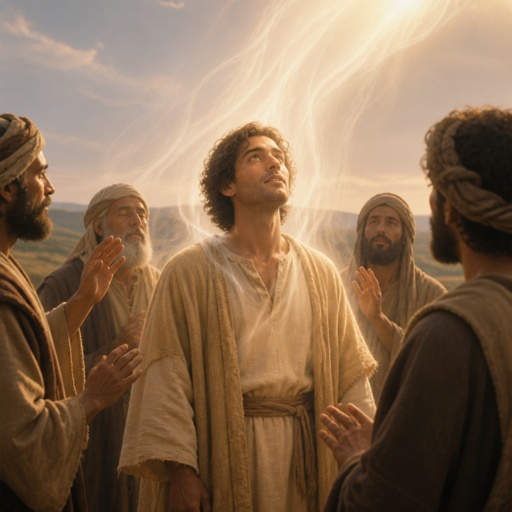
"And the Spirit of the LORD will come upon thee, and thou shalt prophesy with them, and shalt be turned into another man." - 1 Samuel 10:6
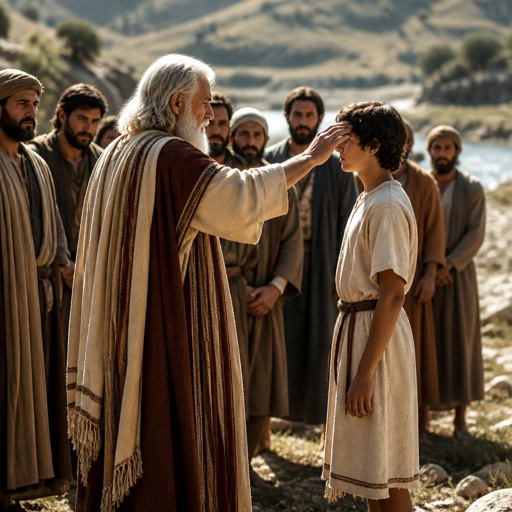
1 Samuel 16:6-7

1 Chronicles 6:28 - "And the sons of Samuel; the firstborn Vashni, and Abiah."

1 Samuel 10:1 - "Then Samuel took a vial of oil, and poured it upon his head, and kissed him, and said, Is it not because the LORD hath anointed thee to be captain over his inheritance?"

1 Samuel 10:25 - "Then Samuel told the people the manner of the kingdom, and wrote it in a book, and laid it up before the LORD. And Samuel sent all the people away, every man to his house."

"¶ Then came the word of the LORD unto Samuel, saying," - 1 Samuel 15:10

1 Samuel 12:6 - "¶ And Samuel said unto the people, It is the LORD that advanced Moses and Aaron, and that brought your fathers up out of the land of Egypt."

1 Samuel 21:10 - "¶ And David arose, and fled that day for fear of Saul, and went to Achish the king of Gath."

"¶ And Samuel called the people together unto the LORD to Mizpeh;" - 1 Samuel 10:17

1 Samuel 10:16 - "And Saul said unto his uncle, He told us plainly that the asses were found. But of the matter of the kingdom, whereof Samuel spake, he told him not."

1 Samuel 6:16 - "And when the five lords of the Philistines had seen it, they returned to Ekron the same day."