What does 1 Samuel 6:21 mean?
“And they sent messengers to the inhabitants of Kirjath-jearim, saying, The Philistines have brought again the ark of the LORD; come ye down, and fetch it up to you.” — 1 Samuel 6:21
1 Samuel 6:21 (KJV) states, "And they sent messengers to the inhabitants of Kirjathjearim, saying, The Philistines have brought again the ark of the LORD; come ye down, and fetch it up to you." This verse is a pivotal moment in the narrative of the Israelites and the Philistines and holds significant meaning within the context of the larger biblical story.
To understand the full import of this verse, it is essential to provide some background context. The story of the Israelites and the Philistines is one of conflict and the struggle for power. The Ark of the Covenant, a sacred object containing the stone tablets of the Ten Commandments, was a symbol of God's presence among the Israelites. In 1 Samuel 4, the Philistines captured the Ark during a battle and brought it to the city of Ashdod, where it was placed in the temple of their god, Dagon. However, the presence of the Ark brought calamity upon the Philistines, leading them to return it to the Israelites.
The verse in question, 1 Samuel 6:21, marks the moment when the Philistines inform the people of Kirjathjearim of the return of the Ark and instruct them to come and retrieve it. This communication signifies the end of the Philistines' possession of the Ark and the beginning of its journey back to the Israelites.
One of the prominent themes in this verse is the sovereignty of God. Throughout the narrative, the Ark symbolizes God's presence and power, and its return to the Israelites underscores God's authority over all nations. The Philistines' acknowledgement of the divine influence behind the calamities inflicted upon them by the presence of the Ark highlights the overarching theme of God's supremacy in the affairs of humanity. The verse serves as a reminder that no power or nation can stand against the will of God, and His sovereignty transcends all human conflicts and struggles.
Furthermore, the verse emphasizes the concept of divine restoration. The return of the Ark to the Israelites signifies the restoration of their covenant relationship with God. Despite the earlier loss of the Ark and the trials faced by the Israelites, this moment represents a turning point in their spiritual journey. The act of retrieving the Ark demonstrates their commitment to reclaiming their faith and renewing their connection with God. It serves as a powerful metaphor for the restoration and reconciliation that God offers to His people, highlighting His enduring love and mercy.
Symbolically, the Ark itself holds deep significance within the verse. As a physical representation of God's presence among His people, the Ark serves as a powerful symbol of faith and divine protection. Its return to the Israelites signifies the restoration of their spiritual foundation and the reestablishment of their allegiance to God. The Ark also foreshadows the coming of Jesus Christ, who would become the ultimate symbol of God's presence and salvation for humanity.
In conclusion, 1 Samuel 6:21 holds a profound and multi-layered meaning within the biblical narrative. It encapsulates themes of God's sovereignty, divine restoration, and the symbolism of the Ark as a representation of God's presence among His people. The verse serves as a pivotal moment in the ongoing story of the Israelites and the Philistines, illustrating the enduring significance of faith and the unwavering power of God in the face of human struggles and conflicts.
Get our apps


Artwork for 1 Samuel 6:21

1 Samuel 6:21 - "¶ And they sent messengers to the inhabitants of Kirjath-jearim, saying, The Philistines have brought again the ark of the LORD; come ye down, and fetch it up to you."

"¶ And they sent messengers to the inhabitants of Kirjath-jearim, saying, The Philistines have brought again the ark of the LORD; come ye down, and fetch it up to you." - 1 Samuel 6:21

1 Samuel 21:6 - "So the priest gave him hallowed bread: for there was no bread there but the shewbread, that was taken from before the LORD, to put hot bread in the day when it was taken away."
1 Samuel 3:21
1 Samuel 3:21
1 Samuel 3:21

1 Samuel 3:21

1 Samuel 8:21 - "And Samuel heard all the words of the people, and he rehearsed them in the ears of the LORD."

1 Samuel 3:21 - "And the LORD appeared again in Shiloh: for the LORD revealed himself to Samuel in Shiloh by the word of the LORD."
1 Samuel 3:19-21

1 Samuel 14:6

1 Samuel 21:10-15

John 21:6

John 21:6
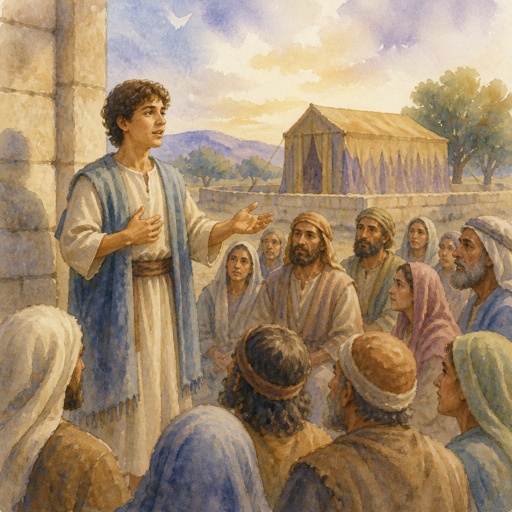
1 Samuel 3:21 Make Samuel a young adult before the people of Shiloh

1 Samuel 8:6 - "¶ But the thing displeased Samuel, when they said, Give us a king to judge us. And Samuel prayed unto the LORD."

1 Samuel 22:21 - "And Abiathar shewed David that Saul had slain the LORD'S priests."

1 Samuel 6:1 - "And the ark of the LORD was in the country of the Philistines seven months."

2 Samuel 6:14

1 Samuel 2:21 - "And the LORD visited Hannah, so that she conceived, and bare three sons and two daughters. And the child Samuel grew before the LORD."

1 Samuel 23:21 - "And Saul said, Blessed be ye of the LORD; for ye have compassion on me."

1 Samuel 21:10 - "¶ And David arose, and fled that day for fear of Saul, and went to Achish the king of Gath."

1 Samuel 13:21 - "Yet they had a file for the mattocks, and for the coulters, and for the forks, and for the axes, and to sharpen the goads."

2 Samuel 6:21 - "And David said unto Michal, It was before the LORD, which chose me before thy father, and before all his house, to appoint me ruler over the people of the LORD, over Israel: therefore will I play before the LORD."
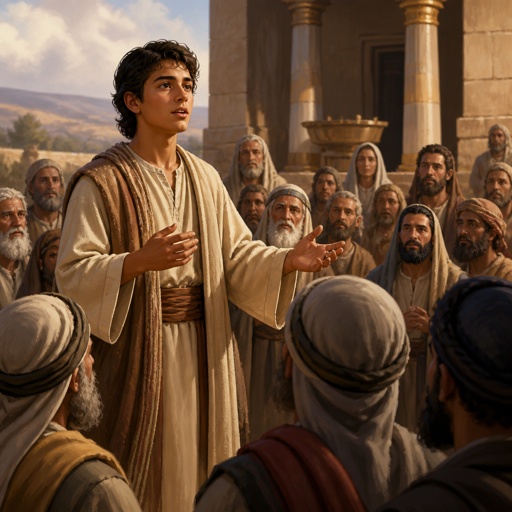
1 Samuel 3:21 Make Samuel a young man dressed as a prophet before the people of Shiloh

1 Samuel 17:21 - "For Israel and the Philistines had put the battle in array, army against army."
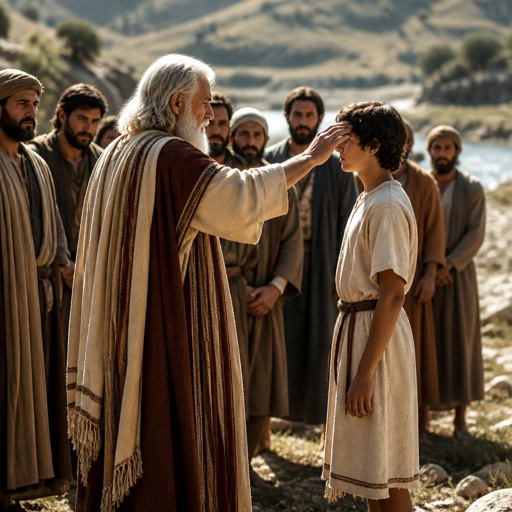
1 Samuel 16:6-7

1 Samuel 1:21 - "And the man Elkanah, and all his house, went up to offer unto the LORD the yearly sacrifice, and his vow."

1 Chronicles 6:28 - "And the sons of Samuel; the firstborn Vashni, and Abiah."
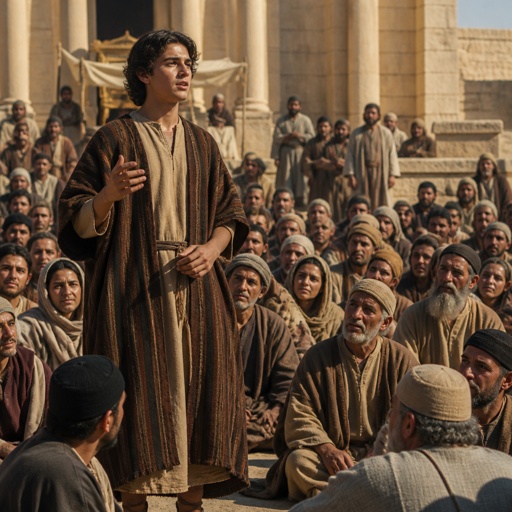
1 Samuel 3:21 make Samuel look like a young Jewish man who’s speaking with authority to a large crowd at Shiloh