What does 1 Samuel 8:20 mean?
“That we also may be like all the nations; and that our king may judge us, and go out before us, and fight our battles.” — 1 Samuel 8:20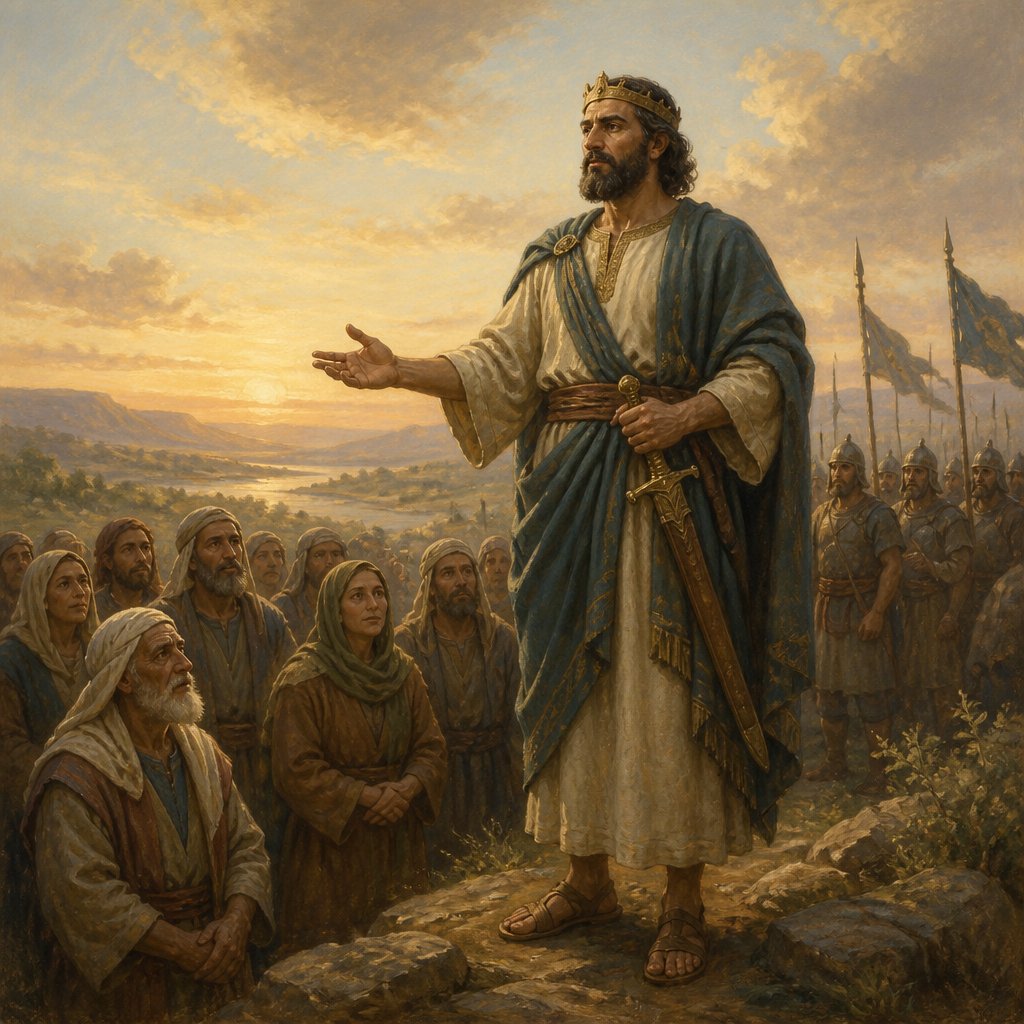
The verse 1 Samuel 8:20 in the King James Version (KJV) states, "That we also may be like all the nations; and that our king may judge us, and go out before us, and fight our battles." This passage comes from a pivotal moment in the history of the Israelites, when they demanded a king to rule over them instead of allowing God to be their ultimate authority.
To fully understand the meaning and commentary of this verse, it is important to delve into the context in which it was spoken. The Israelites had been led by judges who were appointed by God and were intended to govern the people according to His will. However, the Israelites were dissatisfied with this system and desired to be like the other nations around them who had kings to lead and protect them. This passage reflects the Israelites' desire for a human king to judge them, lead them in battle, and provide a sense of security and stability.
One of the key themes addressed in this verse is the tension between human desires and the will of God. Throughout the Old Testament, God repeatedly reminded the Israelites that He was their true king and that they should trust in His guidance and protection. However, the Israelites succumbed to their desire to be like other nations and sought a human king to satisfy their worldly aspirations. This passage serves as a warning about the dangers of succumbing to the pressures and influences of the world rather than remaining obedient to God.
Another important theme in this verse is the concept of leadership and authority. The Israelites sought a king to judge them and lead them in battle, demonstrating their desire for a powerful and visible leader. However, this desire for a human king reflected a lack of trust in God's ability to govern and protect them. This theme serves as a cautionary tale about the potential consequences of placing one's faith in human leaders rather than God.
The symbolism in this verse can be interpreted in several ways. First, the Israelites' desire for a king represents their desire for worldly power and security. They sought a human leader to provide them with a sense of control and protection, rather than trusting in God's divine providence. This symbolizes the universal temptation to seek security and significance in earthly authorities rather than in God.
Additionally, the passage can be seen as a symbol of the Israelites' desire to conform to the ways of the world. They sought to be like the other nations around them, demonstrating a lack of faith in their unique identity as the chosen people of God. This symbolic act serves as a warning against the dangers of compromising one's beliefs and identity in order to fit in with the world.
In conclusion, 1 Samuel 8:20 in the KJV offers a poignant commentary on the tension between human desires and the will of God, the dangers of placing one's faith in human leaders, and the consequences of conforming to the ways of the world. This passage serves as a powerful reminder to remain faithful and obedient to God, even in the face of worldly pressures and temptations.
Get our apps


Artwork for 1 Samuel 8:20

1 Samuel 8:20 - "That we also may be like all the nations; and that our king may judge us, and go out before us, and fight our battles."
"That we also may be like all the nations; and that our king may judge us, and go out before us, and fight our battles." - 1 Samuel 8:20

1 Samuel 8:7
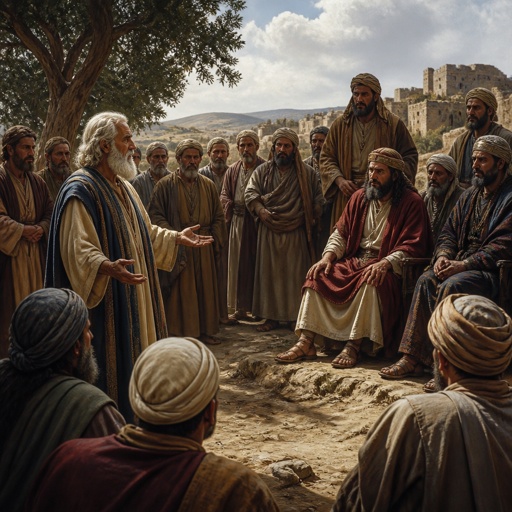
1 Samuel 8:19-22
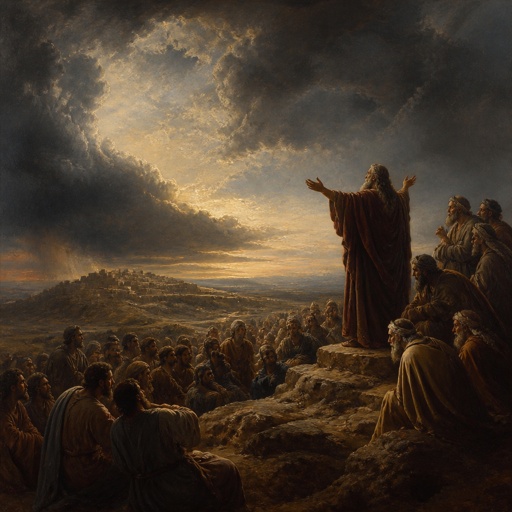
1 Samuel 8:19-22
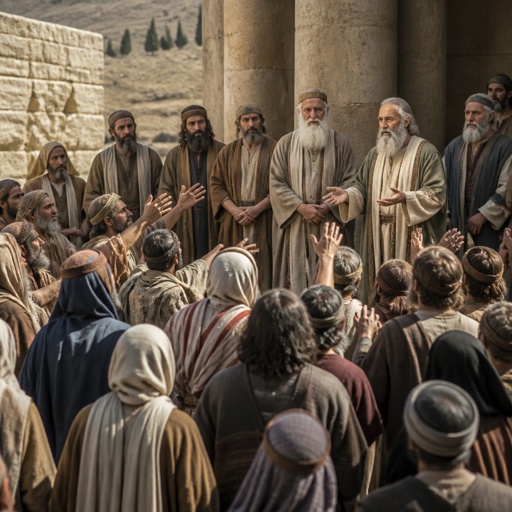
1 Samuel 8:7-9
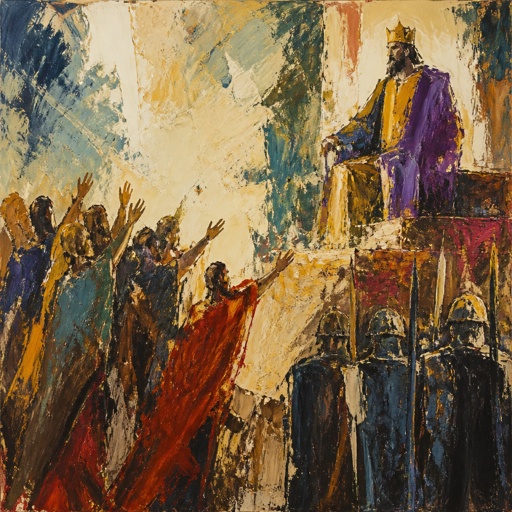
1 Samuel 8:19-23
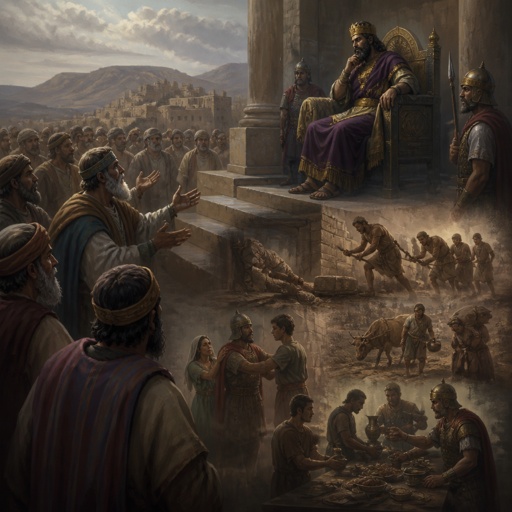
1 Samuel 8:19-22

1 Samuel 20:20 - "And I will shoot three arrows on the side thereof, as though I shot at a mark."

1 Samuel 28:15-20

1 Samuel 8:1 - "And it came to pass, when Samuel was old, that he made his sons judges over Israel."

1 Samuel 10:20 - "And when Samuel had caused all the tribes of Israel to come near, the tribe of Benjamin was taken."

1 Samuel 3:20 - "And all Israel from Dan even to Beer-sheba knew that Samuel was established to be a prophet of the LORD."
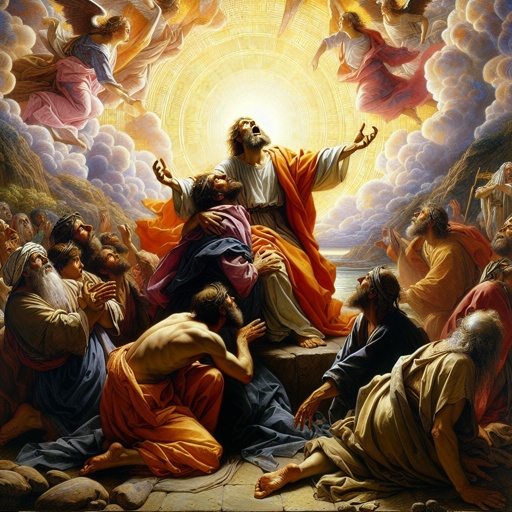
1 Samuel 20:27-30

1 Samuel 20:27-29

1 Samuel 8:6 - "¶ But the thing displeased Samuel, when they said, Give us a king to judge us. And Samuel prayed unto the LORD."

1 Samuel 8:21 - "And Samuel heard all the words of the people, and he rehearsed them in the ears of the LORD."

1 Samuel 8:10 - "¶ And Samuel told all the words of the LORD unto the people that asked of him a king."

1 Samuel 8:4 - "Then all the elders of Israel gathered themselves together, and came to Samuel unto Ramah,"

1 Chronicles 8:20 - "And Elienai, and Zilthai, and Eliel,"
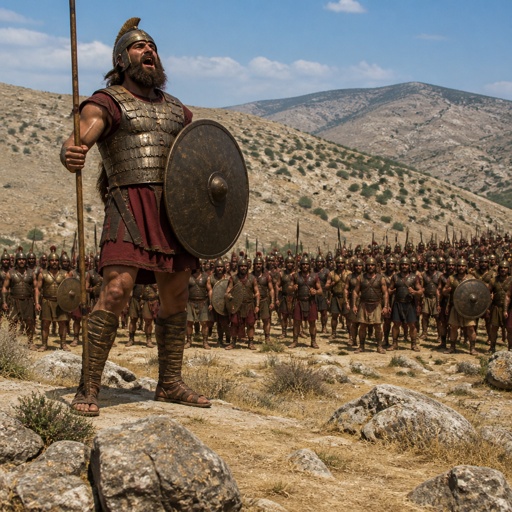
1 Samuel 17:4-8

1 Samuel 18:20 - "And Michal Saul's daughter loved David: and they told Saul, and the thing pleased him."

1 Samuel 13:8 - "¶ And he tarried seven days, according to the set time that Samuel had appointed: but Samuel came not to Gilgal; and the people were scattered from him."

1 Samuel 8:19 - "¶ Nevertheless the people refused to obey the voice of Samuel; and they said, Nay; but we will have a king over us;"

1 Samuel 20:39 - "But the lad knew not any thing: only Jonathan and David knew the matter."

1 Samuel 1:20 - "Wherefore it came to pass, when the time was come about after Hannah had conceived, that she bare a son, and called his name Samuel, saying, Because I have asked him of the LORD."

1 Samuel 16:8 - "Then Jesse called Abinadab, and made him pass before Samuel. And he said, Neither hath the LORD chosen this."

1 Samuel 20:28 - "And Jonathan answered Saul, David earnestly asked leave of me to go to Beth-lehem:"
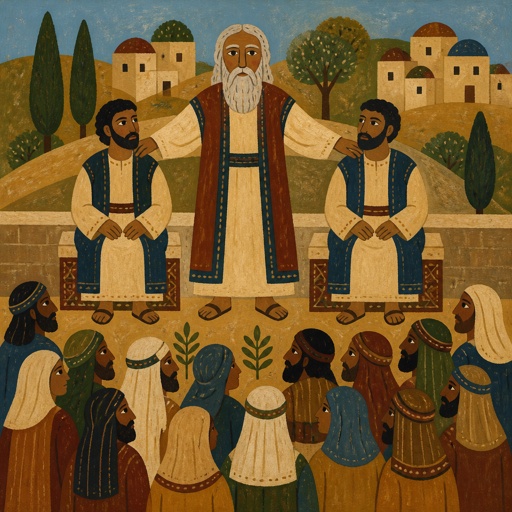
1 Samuel 8:1 - "And it came to pass, when Samuel was old, that he made his sons judges over Israel."

1 Samuel 19:20 - "And Saul sent messengers to take David: and when they saw the company of the prophets prophesying, and Samuel standing as appointed over them, the Spirit of God was upon the messengers of Saul, and they also prophesied."