What does 1 Thessalonians 2:4 mean?
“But as we were allowed of God to be put in trust with the gospel, even so we speak; not as pleasing men, but God, which trieth our hearts.” — 1 Thessalonians 2:4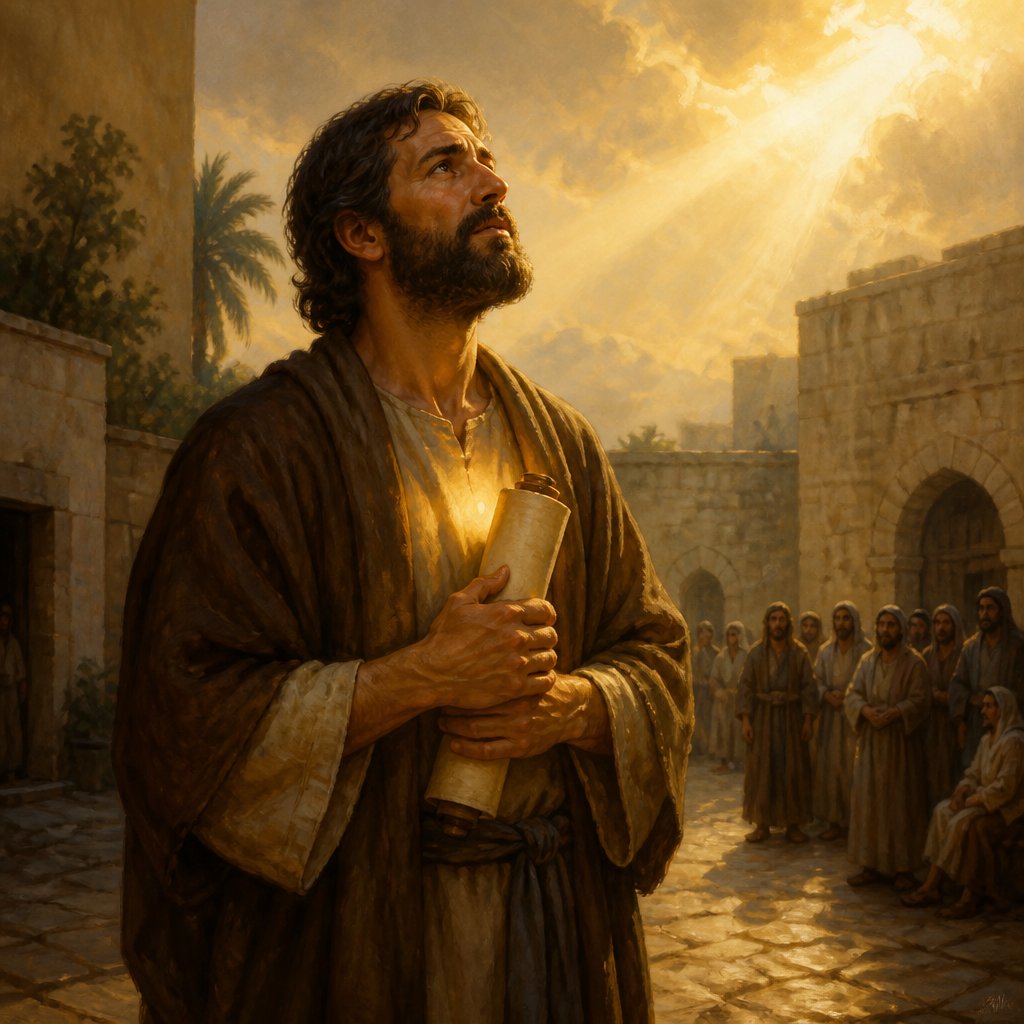
The verse 1 Thessalonians 2:4 from the King James Version (KJV) of the Bible states: "But as we were allowed of God to be put in trust with the gospel, even so we speak; not as pleasing men, but God, which trieth our hearts."
This verse is part of a letter written by the apostle Paul to the church in Thessalonica. In this letter, Paul expresses his deep care and concern for the Thessalonians and discusses the importance of preaching the gospel with sincerity and devotion. The verse 1 Thessalonians 2:4 specifically emphasizes the apostle's understanding of the weight and responsibility of being entrusted with the gospel.
The theme of trust and responsibility is central to this verse. Paul begins by acknowledging that it is through the grace and allowance of God that he and his fellow missionaries have been given the privilege of being entrusted with the gospel. This acknowledgment reflects Paul's humility and recognition of the divine authority behind his mission. It also emphasizes the gravity of the task at hand, as preaching the gospel is not to be taken lightly.
Paul then goes on to explain that as bearers of the gospel, he and his companions do not seek to please men, but rather God. This declaration reveals the apostle's unwavering commitment to upholding the truth of the gospel, regardless of the opinions or approval of others. It also speaks to the idea that the message of the gospel is not to be manipulated or watered down in order to cater to the preferences of human beings. Instead, it is to be proclaimed faithfully and boldly, with God as the ultimate audience.
Furthermore, in the latter part of the verse, Paul mentions that it is God who "trieth our hearts." This statement underscores the idea that God is the ultimate judge of our motives and intentions. It serves as a reminder that sincerity and authenticity are essential in the proclamation of the gospel, as God sees through the external façade and examines the innermost thoughts and motivations of the heart.
The context of this verse is important for understanding its significance. Paul and his companions faced numerous challenges and opposition as they preached the gospel in Thessalonica. They encountered resistance from both Jewish leaders and Gentile authorities, and they endured persecution for their faith. Despite these obstacles, the apostle remained committed to sharing the message of Christ with boldness and integrity.
The symbolism in this verse lies in the imagery of being entrusted with the gospel. Being entrusted with something implies a high level of confidence and reliance on the individual who has been given this responsibility. It also signifies a level of authority and accountability. In the case of Paul and his companions, being entrusted with the gospel was a sacred and weighty privilege, symbolizing their role as messengers of God's truth and reconciliation.
In conclusion, 1 Thessalonians 2:4 from the King James Version of the Bible conveys a profound message about the responsibility and authenticity of preaching the gospel. It emphasizes the importance of upholding the truth of the gospel without compromise, and the significance of doing so with sincerity and devotion to God. This verse serves as a powerful reminder for believers to approach the proclamation of the gospel with humility, boldness, and an unwavering commitment to pleasing God above all else.
Get our apps


Artwork for 1 Thessalonians 2:4
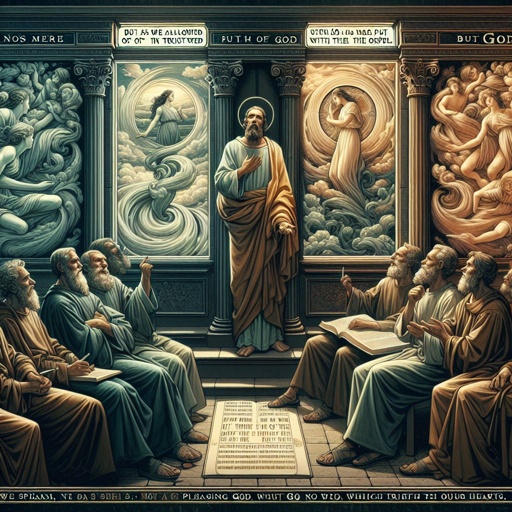
1 Thessalonians 2:4 - "But as we were allowed of God to be put in trust with the gospel, even so we speak; not as pleasing men, but God, which trieth our hearts."
"But as we were allowed of God to be put in trust with the gospel, even so we speak; not as pleasing men, but God, which trieth our hearts." - 1 Thessalonians 2:4

1 Thessalonians 4:2 - "For ye know what commandments we gave you by the Lord Jesus."

1 Thessalonians 4:17

2 Thessalonians 1:4 - "So that we ourselves glory in you in the churches of God for your patience and faith in all your persecutions and tribulations that ye endure:"

1 Thessalonians 4:14

2 Thessalonians 1:1 - "Paul, and Silvanus, and Timotheus, unto the church of the Thessalonians in God our Father and the Lord Jesus Christ:"

1 Thessalonians 1:4 - "Knowing, brethren beloved, your election of God."

1 Thessalonians 4:13-18

1 Thessalonians 4:13-18

4:16–17 in 1 Thessalonians

1 Thessalonians 4:13-18

4:16–17 in 1 Thessalonians

4:16–17 in 1 Thessalonians

4:16–17 in 1 Thessalonians

1 Thessalonians 4:18 - "Wherefore comfort one another with these words."

1 Thessalonians 4:4 - "That every one of you should know how to possess his vessel in sanctification and honour;"

"For ye know what commandments we gave you by the Lord Jesus." - 1 Thessalonians 4:2

1 Thessalonians 4:5 - "Not in the lust of concupiscence, even as the Gentiles which know not God:"
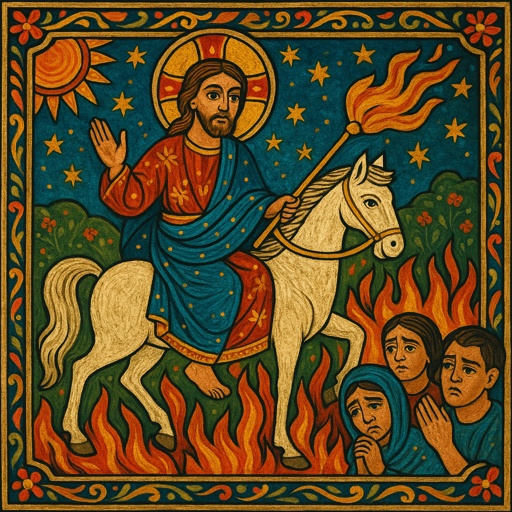
2 Thessalonians 1:7-9

1 Thessalonians 2:20 - "For ye are our glory and joy."

1 Thessalonians 5:4 - "But ye, brethren, are not in darkness, that that day should overtake you as a thief."

1 Thessalonians 4:16-17 – "The Lord himself will come down from heaven, with a loud command."

1 Thessalonians 4:16-17 – "The Lord himself will come down from heaven, with a loud command."

1 Thessalonians 4:7 - "For God hath not called us unto uncleanness, but unto holiness."

4:16–17 in 1 Thessalonians THE SHOUT OF AN ARCHANGEL!!!!

1 Thessalonians 4:3 - "For this is the will of God, even your sanctification, that ye should abstain from fornication:"

1 Thessalonians 2:1 - "For yourselves, brethren, know our entrance in unto you, that it was not in vain:"

"For ye are our glory and joy." - 1 Thessalonians 2:20

1 Thessalonians 2:3 - "For our exhortation was not of deceit, nor of uncleanness, nor in guile:"