What does 1 Thessalonians 4:7 mean?
“For God hath not called us unto uncleanness, but unto holiness.” — 1 Thessalonians 4:7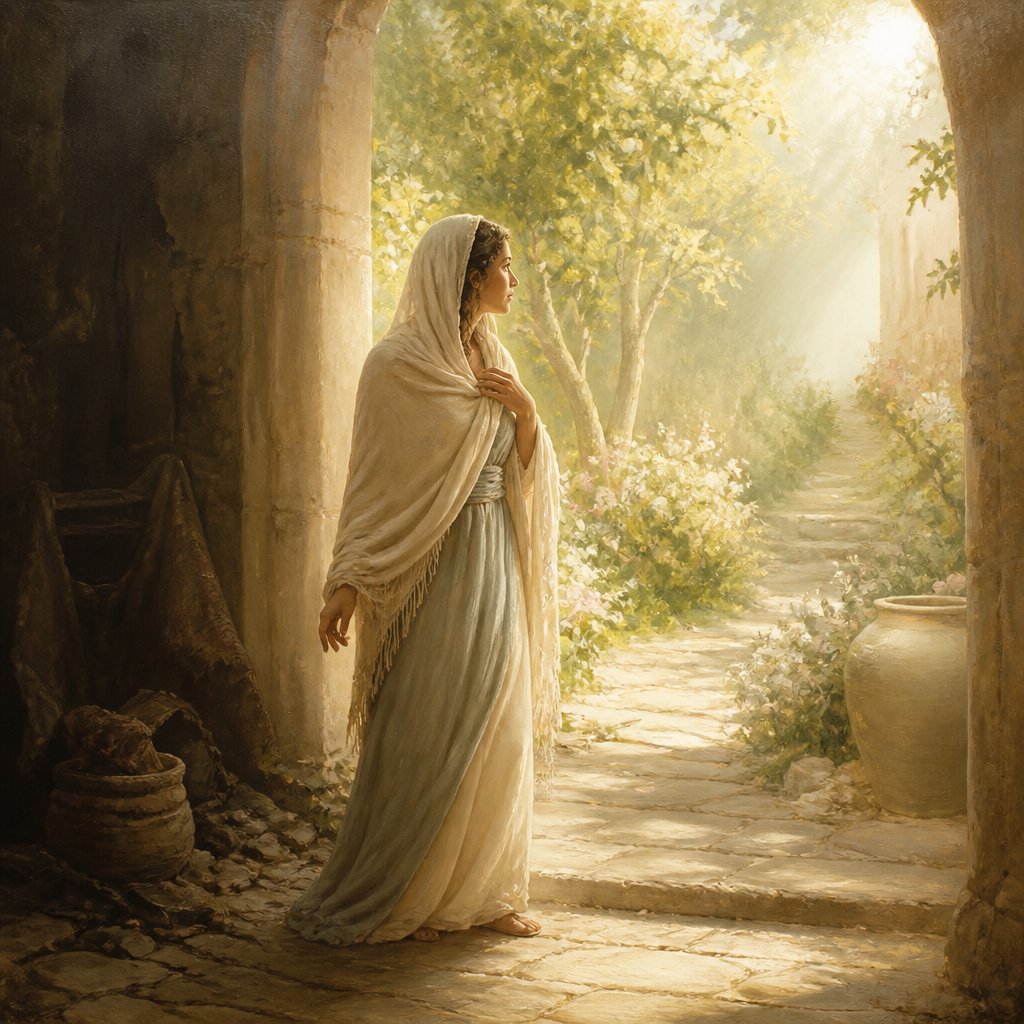
The verse 1 Thessalonians 4:7 from the King James Version of the Bible reads: "For God hath not called us unto uncleanness, but unto holiness."
This verse is part of a larger passage in the book of 1 Thessalonians where the apostle Paul is providing guidance and instructions to the Thessalonian church. In this particular section, Paul focuses on the importance of living a life that is pleasing to God and free from sexual immorality.
The verse begins with the word "For," indicating that it is providing a reason or explanation for something that has been previously stated. In this case, it is a continuation of Paul's exhortation to the Thessalonian believers to abstain from sexual immorality and live in a way that is in line with God's will.
The verse emphasizes that God has not called His people to live in uncleanness, which refers to impurity, immorality, and sinful behavior. Instead, God has called His people to holiness, which signifies a life that is set apart for God and characterized by moral purity and obedience to His commands.
The theme of holiness is a central concept in the Bible, and it conveys the idea of being separate and distinct from the world and its sinful ways. In the Old Testament, the Hebrew word for "holy" is "qodesh," which means to be set apart or consecrated for a sacred purpose. Likewise, in the New Testament, the Greek word for "holy" is "hagios," which carries a similar meaning of being set apart or sanctified for God's use.
Throughout the Bible, God repeatedly calls His people to be holy because He is holy (Leviticus 11:44, 1 Peter 1:16). This call to holiness is not simply about following a set of rules or standards, but it is a reflection of God's character and a response to His love and grace. As His children, believers are called to imitate their heavenly Father and live in a way that honors and glorifies Him.
The context of this verse is important to understand its significance. The apostle Paul was writing to the Thessalonian believers to encourage them in their faith and address specific issues that were affecting the church. In the Greco-Roman culture of that time, sexual immorality was widespread and accepted as a normal part of life. Many new Christians, coming from this background, may have struggled to break free from these sinful behaviors and live according to God's standards.
Paul's instruction in this verse is relevant not only to the Thessalonian church but also to all believers throughout history. As followers of Christ, Christians are called to live in a way that is consistent with their new identity in Him. They are to put off the old self with its sinful practices and be renewed in the spirit of their minds, living in righteousness and holiness (Ephesians 4:22-24).
The symbolism in this verse is powerful as it highlights the contrast between uncleanness and holiness, sin and righteousness, and the ways of the world versus the ways of God. Through this imagery, the verse conveys the idea that believers are to be distinct from the world and its moral corruption, demonstrating the transforming power of the gospel in their lives.
In conclusion, 1 Thessalonians 4:7 from the King James Version of the Bible encapsulates the biblical call to holiness and moral purity. It serves as a reminder to believers that they have been called by God to live in a way that is separate from the sinful patterns of the world and to pursue a life that reflects the character of God. This verse continues to challenge and inspire Christians to uphold their commitment to holiness and uphold God's standards in a world that often promotes moral relativism and compromise.
Get our apps


Artwork for 1 Thessalonians 4:7

1 Thessalonians 4:7 - "For God hath not called us unto uncleanness, but unto holiness."
"For God hath not called us unto uncleanness, but unto holiness." - 1 Thessalonians 4:7

1 Thessalonians 4:14

1 Thessalonians 4:17

1 Thessalonians 4:13-18

1 Thessalonians 4:13-18

1 Thessalonians 4:13-18
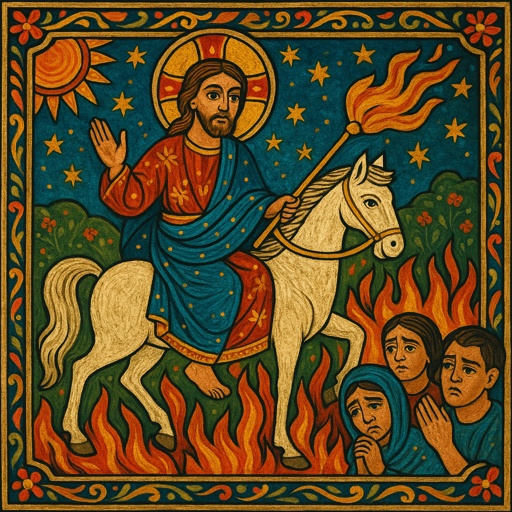
2 Thessalonians 1:7-9

1 Thessalonians 1:4 - "Knowing, brethren beloved, your election of God."

1 Thessalonians 1:7 - "So that ye were ensamples to all that believe in Macedonia and Achaia."

4:16–17 in 1 Thessalonians

4:16–17 in 1 Thessalonians

1 Thessalonians 5:7 - "For they that sleep sleep in the night; and they that be drunken are drunken in the night."

4:16–17 in 1 Thessalonians

4:16–17 in 1 Thessalonians

1 Thessalonians 4:18 - "Wherefore comfort one another with these words."

1 Thessalonians 4:4 - "That every one of you should know how to possess his vessel in sanctification and honour;"

1 Thessalonians 4:5 - "Not in the lust of concupiscence, even as the Gentiles which know not God:"

1 Thessalonians 5:4 - "But ye, brethren, are not in darkness, that that day should overtake you as a thief."

1 Thessalonians 4:16-17 – "The Lord himself will come down from heaven, with a loud command."

1 Thessalonians 4:16-17 – "The Lord himself will come down from heaven, with a loud command."

4:16–17 in 1 Thessalonians THE SHOUT OF AN ARCHANGEL!!!!

1 Thessalonians 2:7 - "But we were gentle among you, even as a nurse cherisheth her children:"

1 Thessalonians 4:2 - "For ye know what commandments we gave you by the Lord Jesus."

1 Thessalonians 4:3 - "For this is the will of God, even your sanctification, that ye should abstain from fornication:"
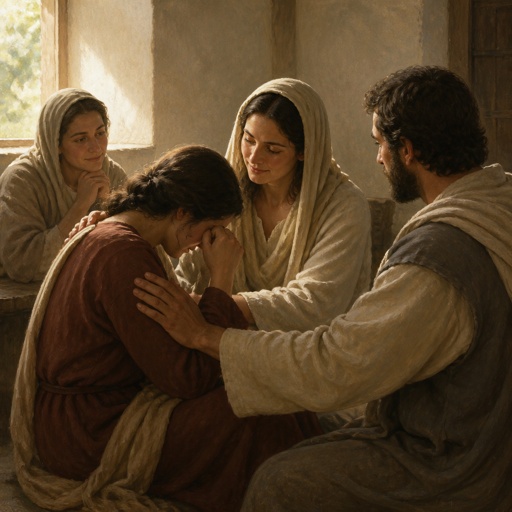
"Wherefore comfort one another with these words." - 1 Thessalonians 4:18
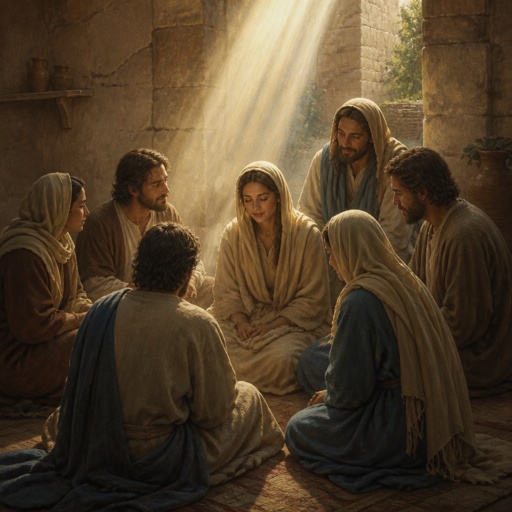
"Knowing, brethren beloved, your election of God." - 1 Thessalonians 1:4

1 Thessalonians 3:7 - "Therefore, brethren, we were comforted over you in all our affliction and distress by your faith:"

1 Thessalonians 4:12 - "That ye may walk honestly toward them that are without, and that ye may have lack of nothing."

1 Thessalonians 4:8 - "He therefore that despiseth, despiseth not man, but God, who hath also given unto us his holy Spirit."