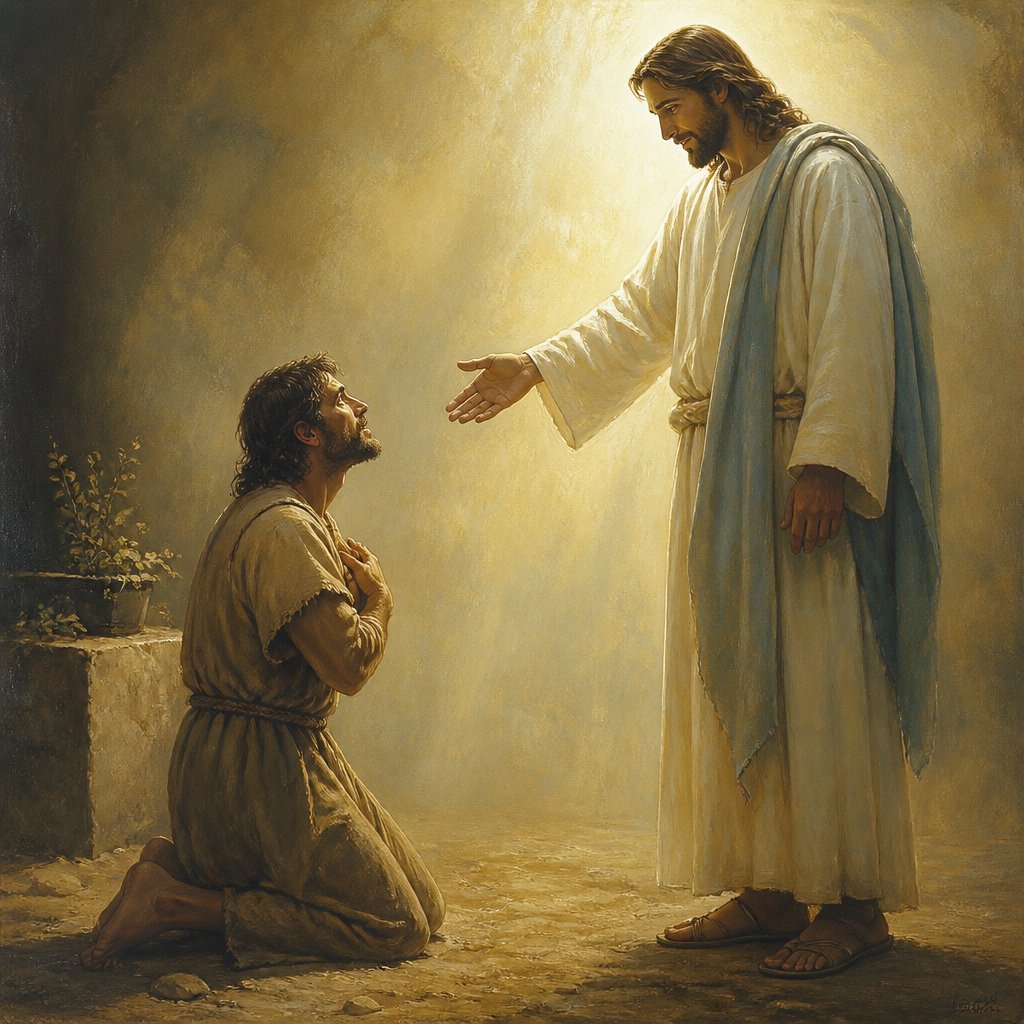
1 Timothy 1:15-17 (KJV) states, "This is a faithful saying, and worthy of all acceptation, that Christ Jesus came into the world to save sinners; of whom I am chief. Howbeit for this cause I obtained mercy, that in me first Jesus Christ might shew forth all longsuffering, for a pattern to them which should hereafter believe on him to life everlasting. Now unto the King eternal, immortal, invisible, the only wise God, be honour and glory for ever and ever. Amen."
This passage from the first letter of Paul to Timothy contains several key themes and messages that are worth exploring in depth. The overall message of these verses is a testament to the saving grace of Jesus Christ and the eternal glory that belongs to God. This passage serves as a reminder of the transformative power of God's mercy and the importance of honoring and glorifying Him.
The first theme present in this passage is the concept of salvation. Paul begins by affirming that the message of Christ's saving power is a "faithful saying" and "worthy of all acceptation." This means that the truth of Christ's redemptive work is reliable and deserving of universal acceptance. The phrase "that Christ Jesus came into the world to save sinners" encapsulates the essence of the Christian faith—the belief in the sacrificial death and resurrection of Jesus as the means of salvation for all who believe in Him. This message of salvation is not limited to a specific group of people, as Paul emphasizes his own identity as a sinner in need of redemption, declaring himself as the "chief" among sinners. This acknowledgement of personal sinfulness serves to highlight the universality of salvation through Christ, as no one is exempt from the need for God's saving grace.
The next theme addressed in these verses is the concept of mercy and longsuffering. Paul reflects on his own experience of receiving mercy from God, despite his past as a persecutor of Christians. He recognizes that his conversion and forgiveness serve as a testimony to the patience and enduring love of Christ. The phrase "that in me first Jesus Christ might shew forth all longsuffering" underscores the idea that God's mercy is boundless and extends to even the most undeserving individuals. This serves as a source of hope for believers, as it demonstrates that no one is beyond the reach of God's redemptive love. Furthermore, Paul's personal testimony of transformation serves as a model for others who would come to believe in Christ, emphasizing the profound impact of God's grace on the lives of believers.
The final theme in this passage is the exaltation of God. After reflecting on the mercy and longsuffering he has received, Paul concludes with a declaration of praise and adoration for God. He attributes honor, glory, and eternal rulership to the "King eternal, immortal, invisible, the only wise God." This doxology expresses Paul's reverence and awe for the divine attributes of God, emphasizing His sovereignty and wisdom. It serves as a reminder to believers of the importance of worshiping and honoring God, recognizing His ultimate authority and supremacy over all creation.
In addition to the themes conveyed in this passage, there are also symbolic elements that can be discerned. The most significant symbol present in these verses is the figure of Jesus Christ as the savior of sinners. This symbolizes the redemptive purpose of Christ's sacrifice and the hope that is offered to all who acknowledge their need for salvation. The image of Paul as the "chief" of sinners symbolizes the universal nature of sin and the equal access to God's grace for all who humble themselves before Him. Finally, the attribute of God as the "King eternal, immortal, invisible" symbolizes His eternal nature and transcendence, signifying His unrivaled majesty and power.
In conclusion, 1 Timothy 1:15-17 contains a rich and profound message about the redemptive work of Christ, the boundless mercy of God, and the exalted nature of His divine attributes. This passage serves as a source of encouragement for believers, reminding them of the transformative power of God's grace and the eternal glory that belongs to Him alone. It also underscores the universal need for salvation and the importance of honoring and glorifying God in all aspects of life. As such, these verses continue to resonate with Christians as a testament to the enduring truths of the Christian faith.
Get our apps


Artwork for 1 Timothy 1:15-17

1 Timothy 1:15-17 - "This is a trustworthy saying that deserves full acceptance: Christ Jesus came into the world to save sinners—of whom I am the worst. But for that very reason I was shown mercy so that in me, the worst of sinners, Christ Jesus might display his immense patience as an example for those who would believe in him and receive eternal life. Now to the King eternal, immortal, invisible, the only God, be honor and glory for ever and ever. Amen."

"This is a trustworthy saying that deserves full acceptance: Christ Jesus came into the world to save sinners—of whom I am the worst. But for that very reason I was shown mercy so that in me, the worst of sinners, Christ Jesus might display his immense patience as an example for those who would believe in him and receive eternal life. Now to the King eternal, immortal, invisible, the only God, be honor and glory for ever and ever. Amen." - 1 Timothy 1:15-17

1 Timothy 1:5

1 Timothy 4:15
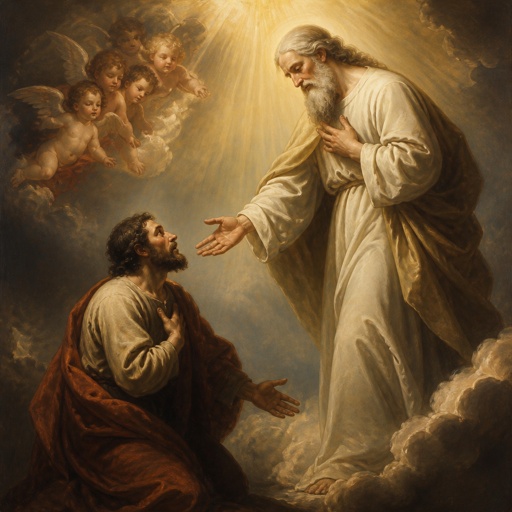
I Timothy 1:17

1 Timothy 3:15

2 Timothy 2:15

1 Timothy 1:7 - "Desiring to be teachers of the law; understanding neither what they say, nor whereof they affirm."

1 Timothy 5:15 - "For some are already turned aside after Satan."

1 Timothy 1:17 - "Now unto the King eternal, immortal, invisible, the only wise God, be honour and glory for ever and ever. Amen."

1 Timothy 1:5 - "Now the end of the commandment is charity out of a pure heart, and of a good conscience, and of faith unfeigned:"

1 Timothy 6:15-16 – "God, the blessed and only Ruler, the King of kings and Lord of lords."

1 Timothy 1:15 - "This is a faithful saying, and worthy of all acceptation, that Christ Jesus came into the world to save sinners; of whom I am chief."

1 Timothy 6:15-16 – "God, the blessed and only Ruler, the King of kings and Lord of lords."

1 Timothy 6:15-16 – "God, the blessed and only Ruler, the King of kings and Lord of lords."
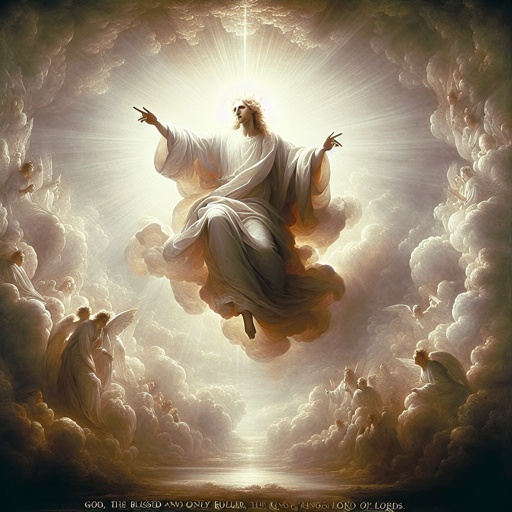
1 Timothy 6:15-16 – "God, the blessed and only Ruler, the King of kings and Lord of lords."

1 Timothy 6:15-16 – "God, the blessed and only Ruler, the King of kings and Lord of lords."

1 Timothy 2:15 - "Notwithstanding she shall be saved in childbearing, if they continue in faith and charity and holiness with sobriety."

2 Timothy 1:17 - "But, when he was in Rome, he sought me out very diligently, and found me."
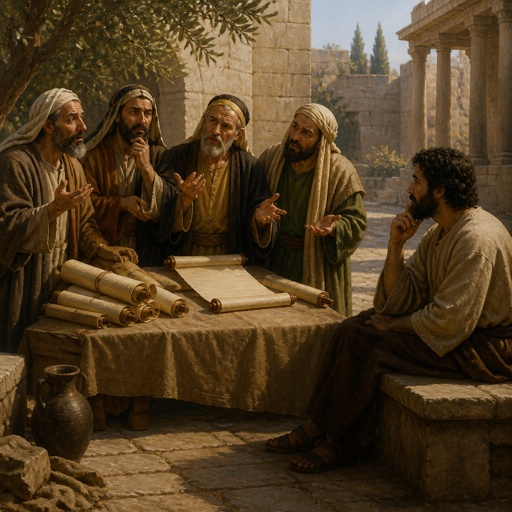
"Desiring to be teachers of the law; understanding neither what they say, nor whereof they affirm." - 1 Timothy 1:7

2 Timothy 1:15 - "This thou knowest, that all they which are in Asia be turned away from me; of whom are Phygellus and Hermogenes."

1 Timothy 4:15 - "Meditate upon these things; give thyself wholly to them; that thy profiting may appear to all."

1 Samuel 1:15-17

1 Timothy 5:17 - "Let the elders that rule well be counted worthy of double honour, especially they who labour in the word and doctrine."

Provers 15:17

Acts 17:15

1 Timothy 6:15 - "Which in his times he shall shew, who is the blessed and only Potentate, the King of kings, and Lord of lords;"

"For some are already turned aside after Satan." - 1 Timothy 5:15

1 Timothy 6:17 - "Charge them that are rich in this world, that they be not highminded, nor trust in uncertain riches, but in the living God, who giveth us richly all things to enjoy;"

2 Timothy 1:7