What does 1 Timothy 2:10 mean?
“But ( which becometh women professing godliness) with good works.” — 1 Timothy 2:10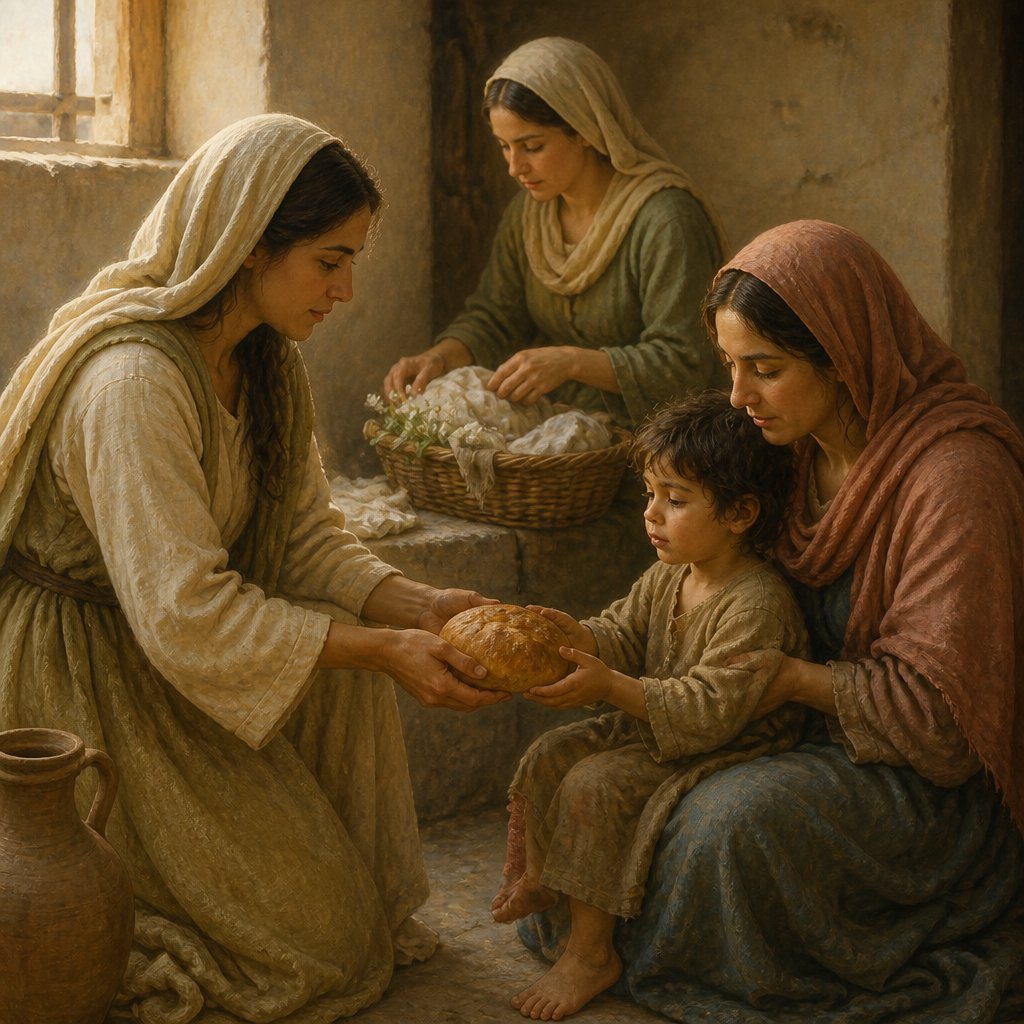
The verse 1 Timothy 2:10 in the King James Version of the Bible reads, "But (which becometh women professing godliness) with good works." This verse is part of a larger passage in which the apostle Paul is instructing Timothy on how men and women should conduct themselves in public worship.
In the preceding verses, Paul instructs men to pray without wrath or doubting, to lift up holy hands without anger or quarreling. He then turns his attention to women, stating that they should adorn themselves in modest apparel, with shamefacedness and sobriety, not with braided hair, gold, or pearls, but with good works. This verse is a continuation of Paul's exhortation to women, emphasizing that their outward appearance should not be their primary focus, but rather their godly behavior and good works.
The overall theme of this passage is the importance of modesty, humility, and good works in the lives of believers, particularly in the context of public worship. Paul is emphasizing the need for both men and women to conduct themselves in a manner that reflects their commitment to godliness, rather than being preoccupied with outward appearances or giving in to negative emotions like anger and quarreling.
The context of this verse is important to understanding its meaning and application. In the society of Paul's time, there was a significant emphasis placed on outward appearances and external adornment. Women were often judged and valued based on their physical appearance and the wealth they displayed through their clothing and jewelry. In this cultural context, Paul's instruction for women to adorn themselves with good works rather than external adornments was a radical departure from societal norms.
The symbolism in this verse lies in the contrast between external appearance and inner character. By emphasizing the importance of godliness and good works over outward adornment, Paul is highlighting the true measure of a person's worth in the eyes of God. This symbolism also carries a broader spiritual significance, encouraging believers to focus on cultivating inner virtues rather than being consumed by materialistic and superficial concerns.
The verse also speaks to the broader theme of gender roles and responsibilities within the church. Paul's instructions to Timothy reflect the hierarchical structure of authority and submission that he believed should govern the relationship between men and women in the church. While some may find Paul's teachings on gender roles to be contentious and outdated, it is important to consider the historical and cultural context in which they were written. It is also crucial to interpret these teachings in light of the broader biblical narrative, which emphasizes the equal worth and value of all individuals in the eyes of God.
In conclusion, 1 Timothy 2:10 serves as a powerful reminder of the importance of godly character and good works in the lives of believers. The verse challenges us to look beyond outward appearances and focus on cultivating inner virtues that reflect our commitment to godliness. While the specific instructions regarding gender roles may be debated, the broader message of humility, modesty, and good works remains a timeless and relevant exhortation for all believers.
Get our apps


Artwork for 1 Timothy 2:10

1 Timothy 2:10 - "But (which becometh women professing godliness) with good works."

"But (which becometh women professing godliness) with good works." - 1 Timothy 2:10

1 Timothy 2:8

1 Timothy 2:1-7

1 Timothy 2:1-7

2 Timothy 1:10 - "But is now made manifest by the appearing of our Saviour Jesus Christ, who hath abolished death, and hath brought life and immortality to light through the gospel:"

2 Timothy 2:22

2 Timothy 2:15

2 Timothy 1:2 - "To Timothy, my dearly beloved son: Grace, mercy, and peace, from God the Father and Christ Jesus our Lord."

1 Timothy 2:9-10 - "In like manner also, that women adorn themselves in modest apparel, with shamefacedness and sobriety; not with broided hair, or gold, or pearls, or costly array; But (which becometh women professing godliness) with good works."

1 Timothy 2:13 - "For Adam was first formed, then Eve."

1 Timothy 1:2 - "Unto Timothy, my own son in the faith: Grace, mercy, and peace, from God our Father and Jesus Christ our Lord."

2 Timothy 1:7

2 Timothy 1:7

2 Timothy 1:7

2 Timothy 1:7

2 Timothy 1:7

2 Timothy 1:7

2 Timothy 1:7

2 Timothy 1:7

2 Timothy 1:7

2 Timothy 1:7

2 Timothy 1:7

2 Timothy 1:7

2 Timothy 1:7

2 Timothy 1:7

2 Timothy 1:7

2 Timothy 1:7

2 Timothy 1:7

2 Timothy 1:7