What does 1 Timothy 2:5 mean?
“For there is one God, and one mediator between God and men, the man Christ Jesus;” — 1 Timothy 2:5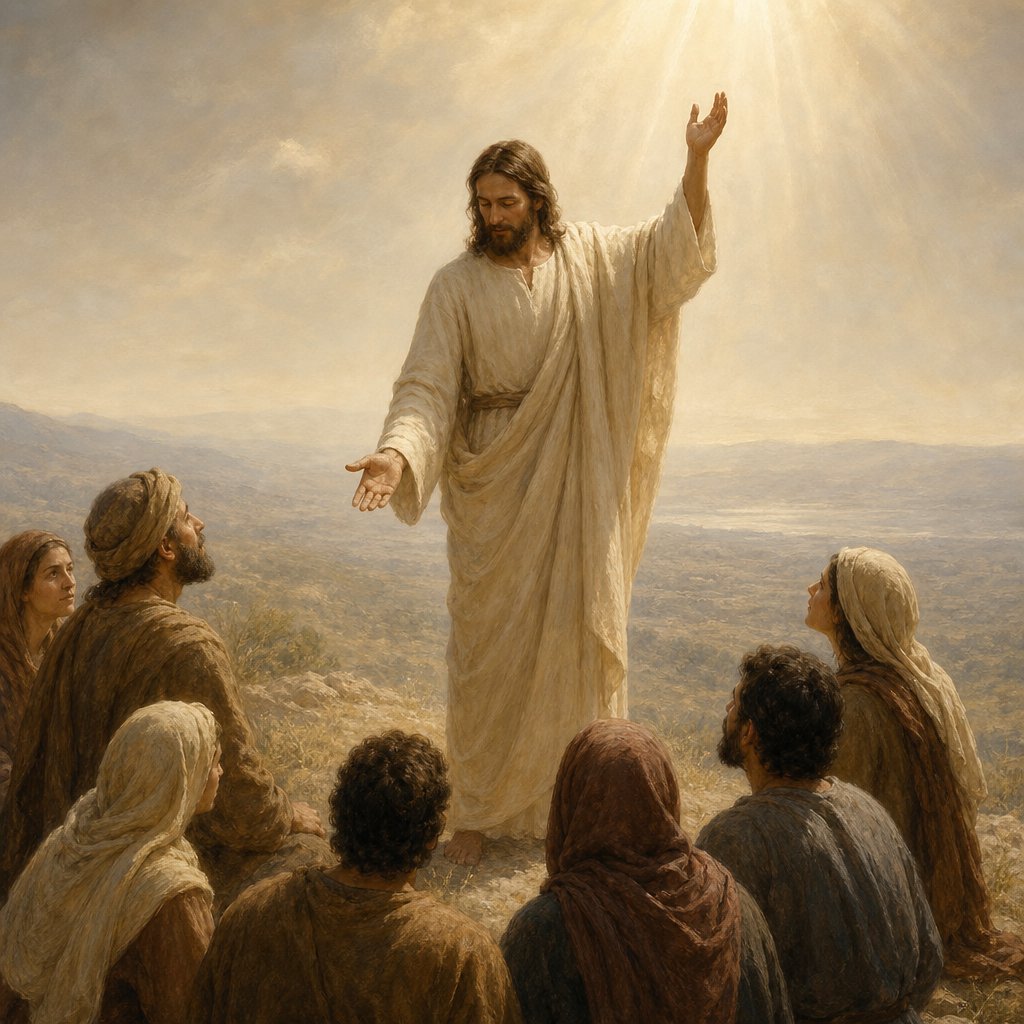
“1 Timothy 2:5” in the King James Version reads, “For there is one God, and one mediator between God and men, the man Christ Jesus.” The verse is a compact confession of who God is, who mankind is in relation to God, and how reconciliation and access to God are actually obtained. It is written as a reason—“For”—so it is not an isolated slogan but the grounding argument for what Paul has just urged in the surrounding passage.
In the immediate context of 1 Timothy 2, Paul exhorts “that, first of all, supplications, prayers, intercessions, and giving of thanks, be made for all men; For kings, and for all that are in authority” so that believers may live “a quiet and peaceable life in all godliness and honesty” (1 Timothy 2:1–2). He then anchors this call to prayer in God’s saving desire: God “will have all men to be saved, and to come unto the knowledge of the truth” (1 Timothy 2:4). Verse 5 explains why prayer and intercession for “all men” makes sense and why the gospel can be proclaimed to all sorts of people without distinction: there is not one God for one nation and another god for another, nor one method of approach for one class of people and another method for another. “There is one God,” and therefore the reach of prayer and the offer of salvation is not parochial, tribal, or limited to a spiritual elite. Monotheism here is not presented merely as an abstract doctrine; it is the theological foundation for universal concern, universal proclamation, and universal intercession.
The first theme is the oneness and exclusivity of God: “there is one God.” In the KJV cadence, this recalls the Old Testament insistence that God is not one among many competing deities but the only true God. Within the flow of Paul’s argument, this oneness implies unity of purpose and consistency of character: the God to whom the church prays is the same God who desires salvation and the knowledge of truth. It also subtly confronts the religious fragmentation and spiritual marketplace of the Gentile world, where multiple gods implied multiple loyalties, multiple moralities, and multiple avenues of approach. Paul’s statement gathers worship, obedience, and hope into a single center.
The second theme is mediation: “and one mediator between God and men.” The word “mediator” signifies an appointed go-between who stands in relation to two parties in order to effect peace, agreement, or restored fellowship. The verse assumes a distance that must be bridged, not because God is unwilling to receive, but because sin and human inability make direct access impossible on human terms. Mediation in Scripture carries the idea of representation and intercession: one who can truly speak for God to man and for man to God, not as a mere messenger but as one authorized to reconcile. The verse’s insistence on “one mediator” is significant. It does not say there are many parallel mediators—some for different cultures, stages of life, or degrees of holiness—but that there is a single divinely appointed mediator adequate for all “men.” This reinforces the earlier “all men” language in the chapter: the church prays for all because the way of access is not restricted to a few; the mediator is sufficient for all.
The third theme is the identity of that mediator: “the man Christ Jesus.” The verse could have simply said “Christ Jesus,” but Paul deliberately adds “the man,” and that detail is the heart of the symbolism and significance. The mediator must belong to both sides of the relationship he is mediating. By calling him “the man Christ Jesus,” Paul emphasizes the real humanity of Christ, not a phantom humanity or a merely apparent one. Christ stands with mankind, not above mankind as a distant intermediary who cannot be touched with the realities of human life, but as one who truly entered human history, bore human weakness without sin, and can therefore represent men as men. The title “Christ” identifies him as the Anointed One promised and appointed by God; “Jesus” identifies him with the historical person who lived, suffered, died, and rose again. In this one phrase, the verse quietly holds together the grandeur of divine appointment (“Christ”) and the closeness of shared human nature (“the man”), showing that salvation is not an escape from humanity but a redemption accomplished within humanity.
The placement of this verse also sheds light on its practical intent. Paul is not only stating theology for its own sake; he is shaping the church’s posture toward the world. If there is one God and one mediator “between God and men,” then the church’s prayers are not to be narrowed by prejudice or political boundaries. The instruction to pray “for kings, and for all that are in authority” makes particular sense in light of this mediator, because even those who seem far from God are still “men” to whom the one mediator relates. The church is therefore called to intercede rather than withdraw, to pray rather than merely critique, because the gospel’s bridge is already established in Christ.
The verse also carries an implied rejection of any notion that human righteousness, ritual status, or spiritual lineage can serve as a bridge to God. A “mediator” is necessary precisely because men cannot mediate themselves. The singularity—“one mediator”—places the weight of reconciliation entirely upon Christ Jesus. The symbolism here is courtroom-like and covenantal: humanity stands in need of a representative, and God provides that representative in Christ. At the same time, the symbolism is relational: estranged parties require one who can bring them together, and God has appointed such a one.
Finally, the verse’s significance in the larger witness of 1 Timothy is that it safeguards the “truth” Paul wants the church to know and uphold. In a pastoral letter concerned with sound doctrine, worship, and conduct, this sentence functions like a doctrinal pillar. It tells the church who God is, how access to God is given, and why the church’s mission is outward-facing. “For there is one God” establishes the single sovereign source of salvation; “and one mediator between God and men” establishes the single appointed means of reconciliation; “the man Christ Jesus” establishes the mediator’s fittingness and nearness to those he represents. In that unity—one God, one mediator, men needing grace—Paul’s call to prayer, peaceable living, and gospel proclamation finds its deepest reason.
Get our apps


Artwork for 1 Timothy 2:5

1 Timothy 2:5 - "For there is one God, and one mediator between God and men, the man Christ Jesus;"

1 Timothy 2:5-6 - "For there is one God and one mediator between God and mankind, the man Christ Jesus, who gave himself as a ransom for all people. This has now been witnessed to at the proper time."
"For there is one God, and one mediator between God and men, the man Christ Jesus;" - 1 Timothy 2:5
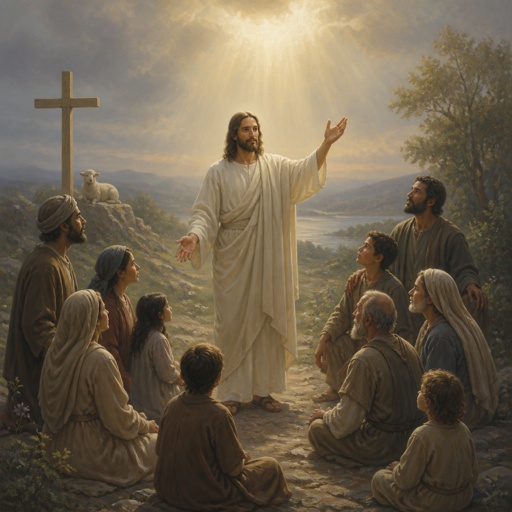
"For there is one God and one mediator between God and mankind, the man Christ Jesus, who gave himself as a ransom for all people. This has now been witnessed to at the proper time." - 1 Timothy 2:5-6

1 Timothy 5:2 - "The elder women as mothers; the younger as sisters, with all purity."

1 Timothy 2:8

1 Timothy 1:5

1 Timothy 2:1-7

2 Timothy 4:5

1 Timothy 2:1-7
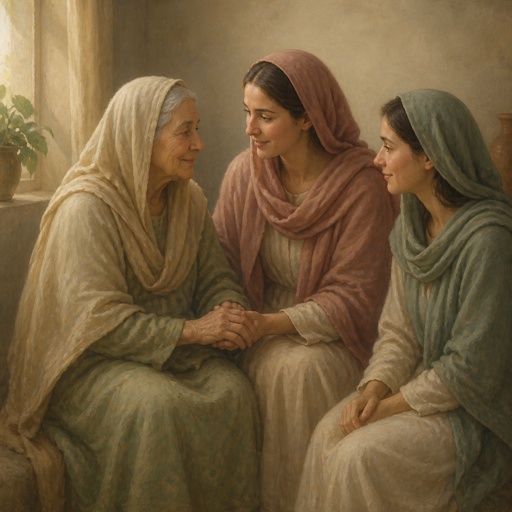
"The elder women as mothers; the younger as sisters, with all purity." - 1 Timothy 5:2

2 Timothy 3:5 - “Having a form of godliness, but denying the power thereof: from such turn away."

1 Timothy 5:3 - "Honour widows that are widows indeed."

1 Timothy 4:5 - "For it is sanctified by the word of God and prayer."

1 Timothy 5:1-2 - "Do not rebuke an older man harshly, but exhort him as if he were your father. Treat younger men as brothers, older women as mothers, and younger women as sisters, with absolute purity."

2 Timothy 2:22

1 Timothy 5:1 - "Rebuke not an elder, but intreat him as a father; and the younger men as brethren;"

1 Timothy 5:7 - "And these things give in charge, that they may be blameless."

2 Timothy 2:5 - "And if a man also strive for masteries, yet is he not crowned, except he strive lawfully."

2 Timothy 2:15

2 Timothy 1:5 - "When I call to remembrance the unfeigned faith that is in thee, which dwelt first in thy grandmother Lois, and thy mother Eunice; and I am persuaded that in thee also."

1 Timothy 5:15 - "For some are already turned aside after Satan."

2 Timothy 1:2 - "To Timothy, my dearly beloved son: Grace, mercy, and peace, from God the Father and Christ Jesus our Lord."

1 Timothy 5:5 - "Now she that is a widow indeed, and desolate, trusteth in God, and continueth in supplications and prayers night and day."

1 Timothy 5:6 - "But she that liveth in pleasure is dead while she liveth."

2 Timothy 3:5 - "Having a form of godliness, but denying the power thereof: from such turn away."

1 Timothy 1:5 - "Now the end of the commandment is charity out of a pure heart, and of a good conscience, and of faith unfeigned:"

1 Timothy 2:13 - "For Adam was first formed, then Eve."

1 Timothy 1:2 - "Unto Timothy, my own son in the faith: Grace, mercy, and peace, from God our Father and Jesus Christ our Lord."

1 Timothy 2:10 - "But (which becometh women professing godliness) with good works."