What does 2 Chronicles 10:15 mean?
“So the king hearkened not unto the people: for the cause was of God, that the LORD might perform his word, which he spake by the hand of Ahijah the Shilonite to Jeroboam the son of Nebat.” — 2 Chronicles 10:15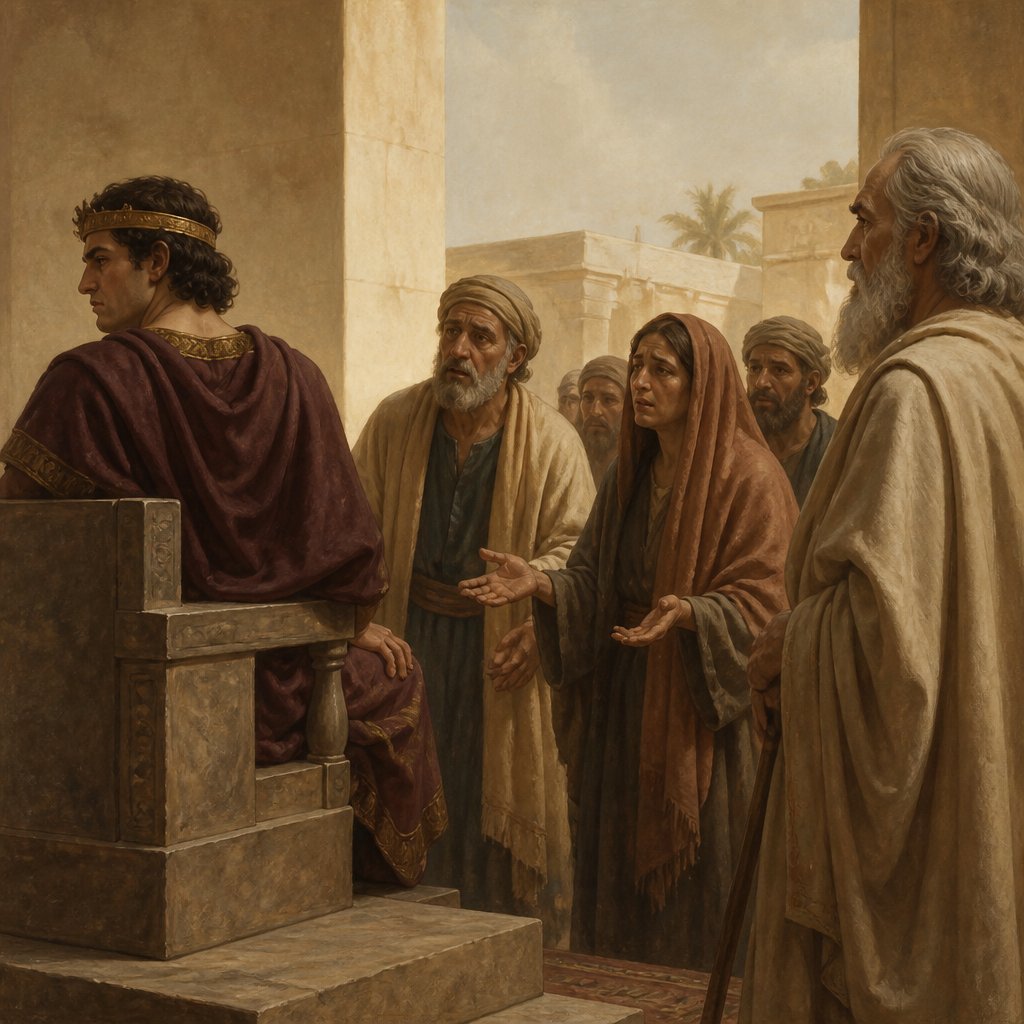
In 2 Chronicles 10:15, according to the King James Version (KJV), it states: "So the king hearkened not unto the people: for the cause was of God, that the Lord might perform his word, which he spake by the hand of Ahijah the Shilonite to Jeroboam the son of Nebat."
This verse comes from the Old Testament and is part of the historical narrative about the reign of King Rehoboam. It takes place after the death of King Solomon, when the kingdom of Israel was divided into two separate kingdoms: the southern kingdom of Judah, with Rehoboam as its king, and the northern kingdom of Israel, with Jeroboam as its king.
The verse is a commentary on Rehoboam's decision to not heed the advice of the people and instead follow the counsel of his younger advisors. This decision ultimately led to the division of the kingdom and the fulfillment of a prophecy given to Jeroboam by Ahijah, a prophet of the Lord.
One of the central themes of this verse is the sovereignty and will of God. It illustrates how the unfolding of events, even when instigated by human decisions, ultimately serve the purpose of God's plan. Despite Rehoboam's disobedience and the ensuing division of the kingdom, the verse suggests that this was part of God's larger plan to fulfill a prophecy. It highlights the idea that God's will cannot be thwarted by human actions, and that ultimately, everything works according to His purpose.
Additionally, the verse explores the theme of leadership and the consequences of poor decision-making. Rehoboam's refusal to listen to the people's grievances and his choice to follow the advice of his peers led to a rupture in the kingdom. This serves as a cautionary tale about the importance of wise leadership, humility, and being receptive to the counsel of others. It also emphasizes the idea that leaders have a responsibility to their people, and that their decisions can have far-reaching implications.
The context of 2 Chronicles 10:15 is important for understanding its significance within the larger narrative of the Bible. It is part of the historical account of the kingdom of Israel and Judah, and the consequences of the division that occurred during the reign of King Rehoboam. The verse underscores the turbulent and complex political and religious dynamics of the time, and the role of prophecy in shaping these events.
Symbolically, the verse can be seen as a reflection of the broader theme of the conflict between human will and divine providence. It serves as a reminder of the ultimate authority and control of God over all things, even in the midst of human decisions and their repercussions. It also symbolizes the importance of humility, discernment, and obedience to the will of God in leadership and decision-making.
In conclusion, 2 Chronicles 10:15 from the King James Version offers a profound commentary on the sovereignty of God, the consequences of leadership decisions, and the fulfillment of prophecy. Its themes of divine providence, human responsibility, and the complexities of governance continue to resonate with readers as a timeless lesson in the unfolding of history and the will of God.
Get our apps


Artwork for 2 Chronicles 10:15

2 Chronicles 10:15 - "So the king hearkened not unto the people: for the cause was of God, that the LORD might perform his word, which he spake by the hand of Ahijah the Shilonite to Jeroboam the son of Nebat."
"So the king hearkened not unto the people: for the cause was of God, that the LORD might perform his word, which he spake by the hand of Ahijah the Shilonite to Jeroboam the son of Nebat." - 2 Chronicles 10:15

2 Chronicles 15:10 - "So they gathered themselves together at Jerusalem in the third month, in the fifteenth year of the reign of Asa."

1 Chronicles 15:10 - "Of the sons of Uzziel; Amminadab the chief, and his brethren an hundred and twelve."

"So they gathered themselves together at Jerusalem in the third month, in the fifteenth year of the reign of Asa." - 2 Chronicles 15:10

1 Chronicles 2:15 - "Ozem the sixth, David the seventh:"

2 Chronicles 23:10

2 Chronicles 23:10

2 Chronicles 30:10

2 Chronicles 35:10

2 Chronicles 4:15 - "One sea, and twelve oxen under it."

2 Kings 15:15 - "And the rest of the acts of Shallum, and his conspiracy which he made, behold, they are written in the book of the chronicles of the kings of Israel."

2 Chronicles 10:19 - "And Israel rebelled against the house of David unto this day."

2 Chronicles 15:1 - "And the Spirit of God came upon Azariah the son of Oded:"

2 Chronicles 15:19 - "And there was no more war unto the five and thirtieth year of the reign of Asa."

2 Chronicles 15:14 - "And they sware unto the LORD with a loud voice, and with shouting, and with trumpets, and with cornets."

2 Chronicles 17:15 - "And next to him was Jehohanan the captain, and with him two hundred and fourscore thousand."

2 Chronicles 33:10 - "And the LORD spake to Manasseh, and to his people: but they would not hearken."

2 Kings 15:11 - "And the rest of the acts of Zachariah, behold, they are written in the book of the chronicles of the kings of Israel."

2 Chronicles 11:10 - "And Zorah, and Aijalon, and Hebron, which are in Judah and in Benjamin fenced cities."

2 Chronicles 15:12 - "And they entered into a covenant to seek the LORD God of their fathers with all their heart and with all their soul;"

2 Chronicles 10:13 - "And the king answered them roughly; and king Rehoboam forsook the counsel of the old men,"

2 Chronicles 10:1 - "And Rehoboam went to Shechem: for to Shechem were all Israel come to make him king."

2 Chronicles 10:5 - "And he said unto them, Come again unto me after three days. And the people departed."
2 Kings 15:6 - "And the rest of the acts of Azariah, and all that he did, are they not written in the book of the chronicles of the kings of Judah?"

1 Chronicles 2:10 - "And Ram begat Amminadab; and Amminadab begat Nahshon, prince of the children of Judah;"

2 Chronicles 10:17 - "But as for the children of Israel that dwelt in the cities of Judah, Rehoboam reigned over them."

2 Chronicles 10:3 - "And they sent and called him. So Jeroboam and all Israel came and spake to Rehoboam, saying,"

2 Chronicles 2:15 - "Now therefore the wheat, and the barley, the oil, and the wine, which my lord hath spoken of, let him send unto his servants:"

2 Chronicles 15:6 - "And nation was destroyed of nation, and city of city: for God did vex them with all adversity."