What does 2 Chronicles 11:19 mean?
“Which bare him children; Jeush, and Shamariah, and Zaham.” — 2 Chronicles 11:19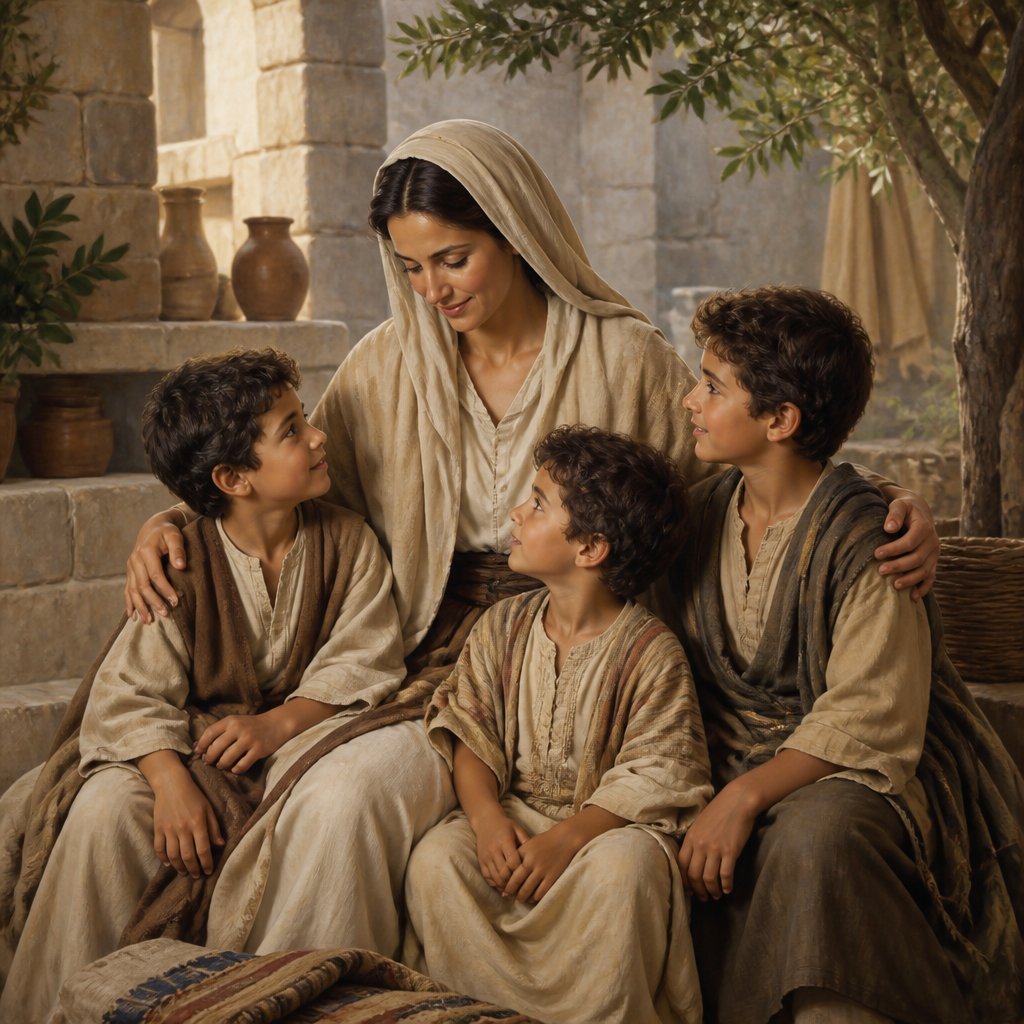
2 Chronicles 11:19 (KJV): "Which bare him children... And after her he took Maachah the daughter of Absalom; which bare him Abijah, and Attai, and Ziza, and Shelomith."
This verse from the book of 2 Chronicles, part of the historical writings in the Old Testament, provides a glimpse into the complexities of King Rehoboam's family life and political alliances. The verse describes the wives and offspring of King Rehoboam, the son of Solomon, and the grandson of David.
In this verse, we see that the first wife of Rehoboam bore him children, including his heir, Abijah. After her, he took Maachah, the daughter of Absalom, who also bore him children. This blending of families through marriage was a common practice in ancient times and often served to solidify political alliances and power.
One major theme in this verse is the importance of lineage and inheritance, especially in the context of royal succession. The mention of the children born to Rehoboam's wives is significant because it establishes the line of descent for the future kings of Judah. Abijah, in particular, is highlighted as the son of Rehoboam who would succeed him as king. This emphasis on genealogy and lineage is a recurring theme throughout the Bible, underscoring the significance of family ties in the history and governance of Israel.
The context of this verse is essential for understanding its full implications. At the time of Rehoboam's reign, the kingdom of Israel had been divided into two separate entities: the northern kingdom of Israel and the southern kingdom of Judah. Rehoboam ruled over Judah, while Jeroboam, a former official under Solomon, became the first king of Israel. The division of the kingdom had its roots in the reign of Solomon, who faced opposition and discontent due to his oppressive policies and heavy taxation. After Solomon's death, the northern tribes rebelled against Rehoboam's rule, leading to the division of the kingdom.
In this context, Rehoboam's marriages and the children born to him carry political significance. Marrying Maachah, the daughter of Absalom, who had rebelled against David, may have been a strategic move to consolidate alliances and strengthen Rehoboam's claim to the throne. The mention of Maachah's lineage also serves as a reminder of the turbulent and complex history of the Israelite monarchy, marked by familial strife and political rivalries.
Symbolism in this verse can be found in the names of the children born to Rehoboam's wives. In the Bible, names often carry symbolic meanings or reflect the circumstances of their birth. For example, Abijah means "my father is Yahweh," which could be seen as a declaration of faith or a reminder of the covenant between God and the descendants of David. Understanding the symbolism of these names adds depth to the narrative and provides insight into the underlying message of the passage.
In conclusion, 2 Chronicles 11:19 offers a window into the complexities of royal family life and political alliances in ancient Israel. The verse underscores the significance of lineage and succession in the context of the divided kingdom and provides valuable historical and cultural insights. By delving into the themes, context, and symbolism of this verse, readers can gain a deeper understanding of the intricate tapestry of biblical narratives and the enduring relevance of these ancient texts.
Get our apps


Artwork for 2 Chronicles 11:19

2 Chronicles 11:19 - "Which bare him children; Jeush, and Shamariah, and Zaham."
"Which bare him children; Jeush, and Shamariah, and Zaham." - 2 Chronicles 11:19

2 Chronicles 34:19

2 Chronicles 34:19

2 Chronicles 11:20
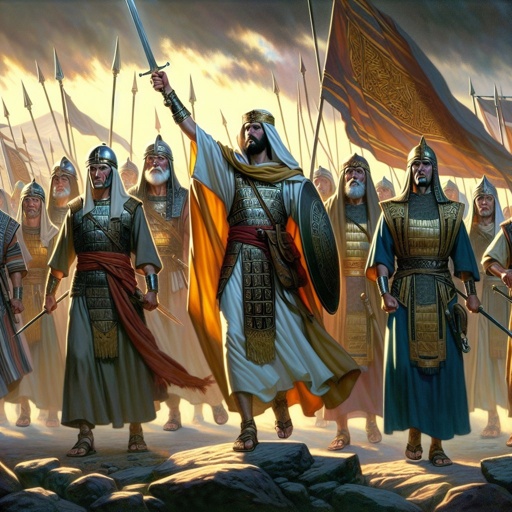
2 Chronicles 19:11 - "And, behold, Amariah the chief priest is over you in all matters of the LORD; and Zebadiah the son of Ishmael, the ruler of the house of Judah, for all the king's matters: also the Levites shall be officers before you. Deal courageously, and the LORD shall be with the good."

2 Chronicles 35:11

2 Chronicles 11:2 - "But the word of the LORD came to Shemaiah the man of God, saying,"

2 Chronicles 35:19 - "In the eighteenth year of the reign of Josiah was this passover kept."

2 Chronicles 11:8 - "And Gath, and Mareshah, and Ziph,"

2 Chronicles 11:9 - "And Adoraim, and Lachish, and Azekah,"

2 Chronicles 11:7 - "And Beth-zur, and Shoco, and Adullam,"

1 Chronicles 19:11 - "And the rest of the people he delivered unto the hand of Abishai his brother, and they set themselves in array against the children of Ammon."

2 Chronicles 10:19 - "And Israel rebelled against the house of David unto this day."

2 Chronicles 11:11 - "And he fortified the strong holds, and put captains in them, and store of victual, and of oil and wine."

2 Chronicles 15:19 - "And there was no more war unto the five and thirtieth year of the reign of Asa."

2 Chronicles 19:1 - "And Jehoshaphat the king of Judah returned to his house in peace to Jerusalem."

1 Chronicles 2:11 - "And Nahshon begat Salma, and Salma begat Boaz,"

2 Chronicles 11:5 - "¶ And Rehoboam dwelt in Jerusalem, and built cities for defence in Judah."

2 Chronicles 11:6 - "He built even Beth-lehem, and Etam, and Tekoa,"

2 Chronicles 19:5 - "¶ And he set judges in the land throughout all the fenced cities of Judah, city by city,"

2 Kings 12:19 - "¶ And the rest of the acts of Joash, and all that he did, are they not written in the book of the chronicles of the kings of Judah?"

2 Corinthians 11:19 - "For ye suffer fools gladly, seeing ye yourselves are wise."

2 Chronicles 31:11 - "¶ Then Hezekiah commanded to prepare chambers in the house of the LORD; and they prepared them,"

2 Chronicles 11:10 - "And Zorah, and Aijalon, and Hebron, which are in Judah and in Benjamin fenced cities."

2 Chronicles 30:11 - "Nevertheless divers of Asher and Manasseh and of Zebulun humbled themselves, and came to Jerusalem."

2 Kings 16:19 - "¶ Now the rest of the acts of Ahaz which he did, are they not written in the book of the chronicles of the kings of Judah?"

1 Chronicles 2:19 - "And when Azubah was dead, Caleb took unto him Ephrath, which bare him Hur."

2 Chronicles 34:19 - "And it came to pass, when the king had heard the words of the law, that he rent his clothes."

2 Chronicles 17:19 - "These waited on the king, beside those whom the king put in the fenced cities throughout all Judah."