What does 2 Chronicles 13:22 mean?
“And the rest of the acts of Abijah, and his ways, and his sayings, are written in the story of the prophet Iddo.” — 2 Chronicles 13:22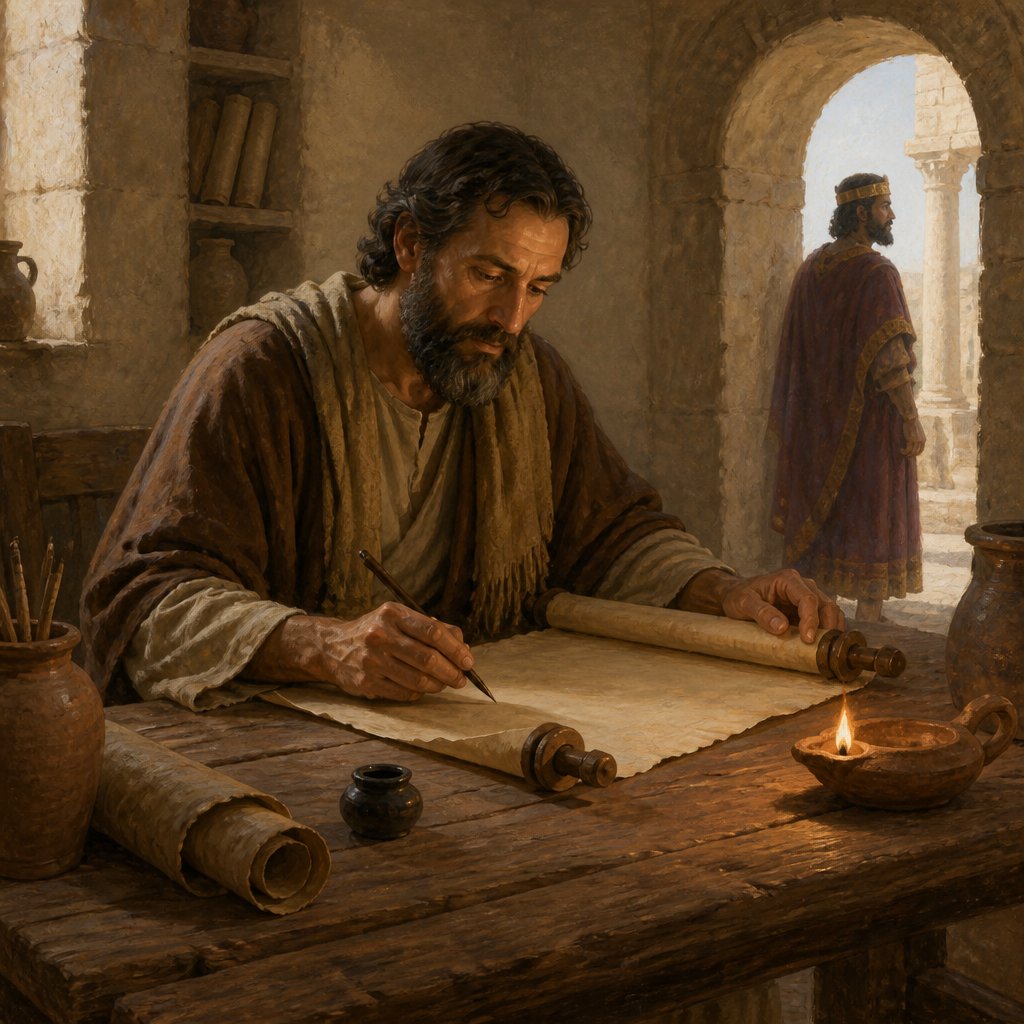
The verse 2 Chronicles 13:22 from the King James Version of the Bible reads, "And the rest of the acts of Abijah, and his ways, and his sayings, are written in the story of the prophet Iddo." This verse is found in the Old Testament and is part of the historical record of the divided kingdom of Israel.
The context of this verse is the reign of King Abijah, also known as Abijam, who was the son of Rehoboam and the grandson of King Solomon. Abijah was the second king of the Kingdom of Judah, which was the southern kingdom of Israel after the nation was divided into two separate entities. The northern kingdom was known as Israel, and the southern kingdom was known as Judah.
The verse is part of the broader historical narrative of the succession of kings in Judah and Israel, and it serves as a bridge between the reign of Abijah and the reign of his son, Asa. The verse mentions the prophet Iddo, who wrote a historical account of Abijah's reign, capturing the acts, ways, and sayings of the king. This points to the importance of recording and preserving the history of the rulers and leaders of Israel and Judah.
One of the key themes of this verse is the idea of historical record-keeping and the importance of documenting the actions and words of leaders for posterity. In ancient Israelite society, the role of the prophet was not only to speak the word of God but also to record the historical events and the actions of the kings. This was essential for preserving the national memory and for providing a record of the faithfulness or unfaithfulness of the kings to God's covenant.
The verse also illustrates the concept of divine accountability. The mention of the prophet Iddo and his recording of the king's actions suggests that there is a divine observer who keeps a record of everything that happens. This idea is consistent with the broader biblical theme of divine judgment and the importance of living in accordance with God's will.
Symbolism in this verse can be found in the role of the prophet Iddo. In biblical literature, prophets served as intermediaries between God and the people, delivering messages from God and providing guidance and insight. The fact that Iddo recorded the acts and sayings of Abijah can be seen as a symbolic representation of God's involvement in the affairs of the kings and the nation. It symbolizes the divine presence in human history and the importance of acknowledging God's sovereignty over earthly rulers.
Furthermore, the mention of Iddo's historical account underscores the significance of preserving the history and traditions of the nation. In ancient Israel, storytelling and historical record-keeping played a crucial role in shaping the national identity and passing down the collective memory of the people. The act of writing down the deeds and words of Abijah serves as a symbol of the value placed on historical continuity and the transmission of cultural and religious heritage.
In conclusion, 2 Chronicles 13:22 offers a window into the historical context of ancient Israel and provides insight into the importance of historical record-keeping, divine accountability, and the role of the prophet in shaping the nation's identity and faith. The verse highlights the significance of preserving the memory of the nation's leaders and the importance of recognizing God's involvement in human history. As such, it serves as a reminder of the enduring relevance of historical and religious traditions in shaping collective identity and faith.
Get our apps


Artwork for 2 Chronicles 13:22

2 Chronicles 13:22 - "And the rest of the acts of Abijah, and his ways, and his sayings, are written in the story of the prophet Iddo."
"And the rest of the acts of Abijah, and his ways, and his sayings, are written in the story of the prophet Iddo." - 2 Chronicles 13:22

2 chronicles 13:12

2 Chronicles 36:22

2 Chronicles 4:22

2 Chronicles 6:13

2 Chronicles 9:22 - "And king Solomon passed all the kings of the earth in riches and wisdom."

2 Chronicles 2:13 - "And now I have sent a cunning man, endued with understanding, of Huram my father's,"

2 Chronicles 13:13 - "¶ But Jeroboam caused an ambushment to come about behind them: so they were before Judah, and the ambushment was behind them."

2 Chronicles 25:22 - "And Judah was put to the worse before Israel, and they fled every man to his tent."

1 Chronicles 2:22 - "And Segub begat Jair, who had three and twenty cities in the land of Gilead."

2 Kings 13:22 - "¶ But Hazael king of Syria oppressed Israel all the days of Jehoahaz."

2 Samuel 22:13 - "Through the brightness before him were coals of fire kindled."

2 Chronicles 22:12 - "And he was with them hid in the house of God six years: and Athaliah reigned over the land."

2 Chronicles 29:13 - "And of the sons of Elizaphan; Shimri, and Jeiel: and of the sons of Asaph; Zechariah, and Mattaniah:"

2 Chronicles 13:1 - "Now in the eighteenth year of king Jeroboam began Abijah to reign over Judah."

2 Chronicles 28:22 - "¶ And in the time of his distress did he trespass yet more against the LORD: this is that king Ahaz."

2 Chronicles 22:3 - "He also walked in the ways of the house of Ahab: for his mother was his counsellor to do wickedly."

2 Chronicles 26:22 - "¶ Now the rest of the acts of Uzziah, first and last, did Isaiah the prophet, the son of Amoz, write."

1 Chronicles 22:13 - "Then shalt thou prosper, if thou takest heed to fulfil the statutes and judgments which the LORD charged Moses with concerning Israel: be strong, and of good courage; dread not, nor be dismayed."

2 Chronicles 20:13 - "And all Judah stood before the LORD, with their little ones, their wives, and their children."

2 Chronicles 13:16 - "And the children of Israel fled before Judah: and God delivered them into their hand."

1 Chronicles 2:13 - "¶ And Jesse begat his firstborn Eliab, and Abinadab the second, and Shimma the third,"

2 Chronicles 28:22 (KJVA) 22 And in the time of his distress did he trespass yet more against the LORD: this is that king Ahaz.

2 Chronicles 10:13 - "And the king answered them roughly; and king Rehoboam forsook the counsel of the old men,"

2 Chronicles 16:13 - "¶ And Asa slept with his fathers, and died in the one and fortieth year of his reign."

2 Chronicles 11:13 - "¶ And the priests and the Levites that were in all Israel resorted to him out of all their coasts."

2 Chronicles 13:21 - "¶ But Abijah waxed mighty, and married fourteen wives, and begat twenty and two sons, and sixteen daughters."

2 Chronicles 18:13 - "And Micaiah said, As the LORD liveth, even what my God saith, that will I speak."

2 Chronicles 13:2 - "He reigned three years in Jerusalem. His mother's name also was Michaiah the daughter of Uriel of Gibeah. And there was war between Abijah and Jeroboam."