What does 2 Chronicles 19:10 mean?
“And what cause soever shall come to you of your brethren that dwell in their cities, between blood and blood, between law and commandment, statutes and judgments, ye shall even warn them that they trespass not against the LORD, and so wrath come upon you, and upon your brethren: this do, and ye shall not trespass.” — 2 Chronicles 19:10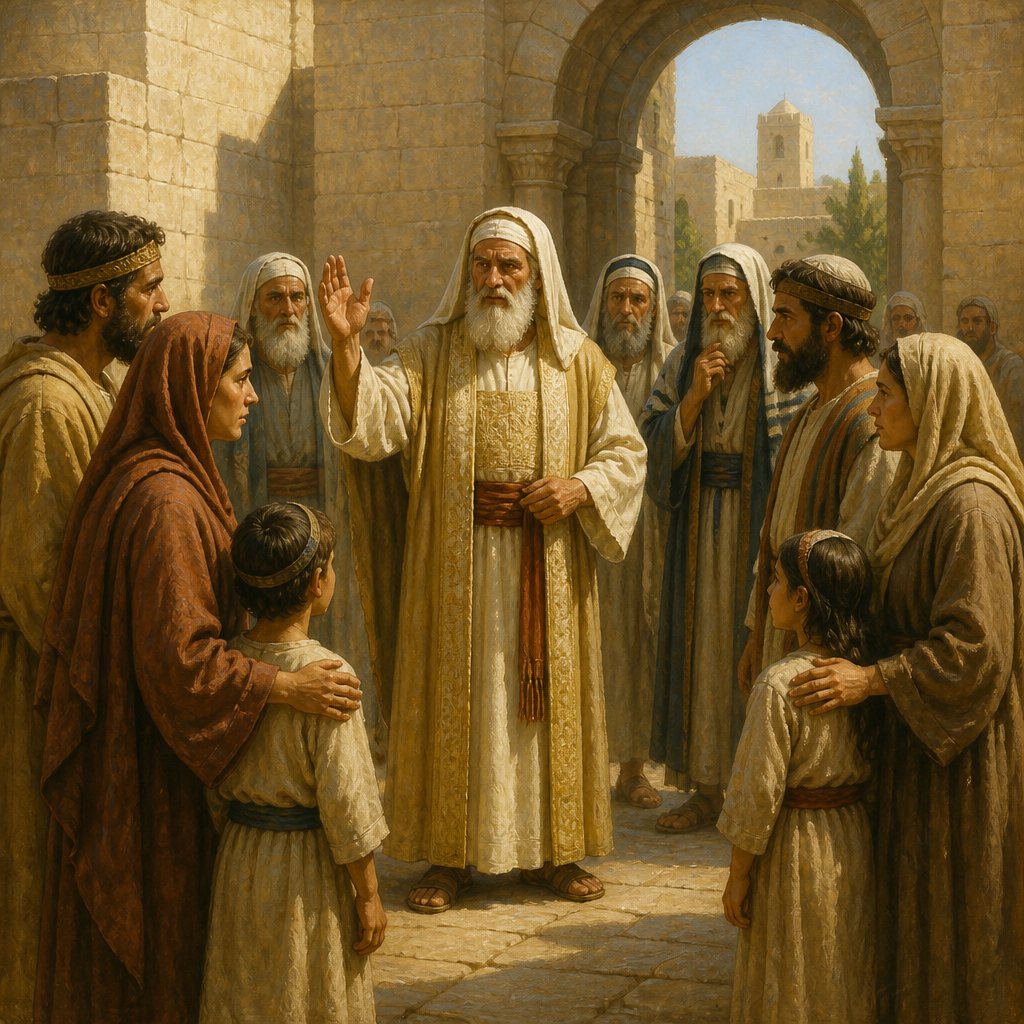
2 Chronicles 19:10 (KJV) says:
"And what cause soever shall come to you of your brethren that dwell in their cities, between blood and blood, between law and commandment, statutes and judgments, ye shall even warn them that they trespass not against the Lord, and so wrath come upon you, and upon your brethren: this do, and ye shall not trespass."
This verse speaks to the responsibility of kings and leaders to ensure justice and righteousness within their communities. In this passage, Jehoshaphat, the king of Judah, is admonishing the judges and officials he has appointed to uphold the law and administer justice in the land.
The verse begins by addressing the potential conflicts that may arise among the brethren dwelling in their cities. These conflicts may involve issues of blood (such as family feuds or violent disputes), the violation of the law and commandments of God, or the transgression of statutes and judgments. Jehoshaphat instructs the judges to intervene in these matters, to warn the people against trespassing against the Lord, and to prevent the outpouring of divine wrath upon both the people and their brethren.
One of the underlying themes of this verse is the importance of justice and righteousness in governance. The king's role is not only to lead and govern but also to ensure that the laws and commandments of God are upheld within the nation. This verse emphasizes the king's duty to appoint judges and officials who will execute their responsibilities with fairness and integrity, thereby maintaining peace and order among the people. Additionally, it highlights the interconnectedness of individuals within a community and the responsibility of each member to uphold God's laws and commandments.
Furthermore, the verse underscores the concept of divine retribution for disobedience. The mention of divine wrath serves as a warning to both the judges and the people, emphasizing the consequences of straying from God's laws and commandments. It also reinforces the idea that the leaders of a nation bear a great responsibility before God for the welfare and actions of their people.
Symbolically, the "brethren" in this verse can also represent the unity and community of believers within the Church. The duty of leaders to ensure justice and righteousness extends beyond the realm of governance to the spiritual well-being of their congregations. Therefore, this verse serves as a reminder to religious leaders to uphold the teachings and commandments of God, to address conflicts and transgressions within the congregation, and to prevent the outpouring of divine wrath upon themselves and their brethren.
In a broader context, 2 Chronicles 19:10 can be viewed as a timeless principle that applies to all leaders and individuals in positions of authority. It underscores the importance of upholding justice, righteousness, and the commandments of God in all areas of life. Whether in governance, community leadership, or religious ministry, the verse challenges leaders to be vigilant in ensuring that divine laws are upheld and that conflicts and transgressions are addressed to prevent the potential consequences of divine wrath.
In conclusion, 2 Chronicles 19:10 carries a powerful message about the responsibility of leaders to ensure justice and righteousness, the interconnectedness of individuals within a community, and the consequences of disobeying God's commandments. It serves as a timeless principle that remains relevant in governance, leadership, and religious contexts, challenging leaders to uphold divine laws and commandments for the welfare of their people.
Get our apps


Artwork for 2 Chronicles 19:10

2 Chronicles 19:10 - "And what cause soever shall come to you of your brethren that dwell in their cities, between blood and blood, between law and commandment, statutes and judgments, ye shall even warn them that they trespass not against the LORD, and so wrath come upon you, and upon your brethren: this do, and ye shall not trespass."
"And what cause soever shall come to you of your brethren that dwell in their cities, between blood and blood, between law and commandment, statutes and judgments, ye shall even warn them that they trespass not against the LORD, and so wrath come upon you, and upon your brethren: this do, and ye shall not trespass." - 2 Chronicles 19:10

2 Chronicles 10:19 - "And Israel rebelled against the house of David unto this day."

"And Israel rebelled against the house of David unto this day." - 2 Chronicles 10:19

2 Chronicles 34:19

2 Chronicles 34:19

2 Chronicles 23:10

2 Chronicles 35:19 - "In the eighteenth year of the reign of Josiah was this passover kept."

2 Chronicles 23:10

2 Chronicles 30:10

2 Chronicles 35:10

2 Chronicles 11:19 - "Which bare him children; Jeush, and Shamariah, and Zaham."

1 Chronicles 19:10 - "Now when Joab saw that the battle was set against him before and behind, he chose out of all the choice of Israel, and put them in array against the Syrians."

2 Chronicles 15:19 - "And there was no more war unto the five and thirtieth year of the reign of Asa."

2 Chronicles 19:1 - "And Jehoshaphat the king of Judah returned to his house in peace to Jerusalem."

2 Chronicles 33:10 - "And the LORD spake to Manasseh, and to his people: but they would not hearken."

2 Chronicles 19:5 - "¶ And he set judges in the land throughout all the fenced cities of Judah, city by city,"

2 Kings 12:19 - "¶ And the rest of the acts of Joash, and all that he did, are they not written in the book of the chronicles of the kings of Judah?"

2 Chronicles 11:10 - "And Zorah, and Aijalon, and Hebron, which are in Judah and in Benjamin fenced cities."

2 Kings 16:19 - "¶ Now the rest of the acts of Ahaz which he did, are they not written in the book of the chronicles of the kings of Judah?"

1 Chronicles 2:19 - "And when Azubah was dead, Caleb took unto him Ephrath, which bare him Hur."

2 Chronicles 34:19 - "And it came to pass, when the king had heard the words of the law, that he rent his clothes."

2 Chronicles 17:19 - "These waited on the king, beside those whom the king put in the fenced cities throughout all Judah."

1 Chronicles 2:10 - "And Ram begat Amminadab; and Amminadab begat Nahshon, prince of the children of Judah;"

2 Chronicles 32:19 - "And they spake against the God of Jerusalem, as against the gods of the people of the earth, which were the work of the hands of man."

2 Chronicles 19:9 - "And he charged them, saying, Thus shall ye do in the fear of the LORD, faithfully, and with a perfect heart."

2 Chronicles 23:19 - "And he set the porters at the gates of the house of the LORD, that none which was unclean in any thing should enter in."

2 Chronicles 10:17 - "But as for the children of Israel that dwelt in the cities of Judah, Rehoboam reigned over them."

2 Chronicles 9:19 - "And twelve lions stood there on the one side and on the other upon the six steps. There was not the like made in any kingdom."

2 Chronicles 4:10 - "And he set the sea on the right side of the east end, over against the south."