What does 2 Chronicles 1:5 mean?
“Moreover the brasen altar, that Bezaleel the son of Uri, the son of Hur, had made, he put before the tabernacle of the LORD: and Solomon and the congregation sought unto it.” — 2 Chronicles 1:5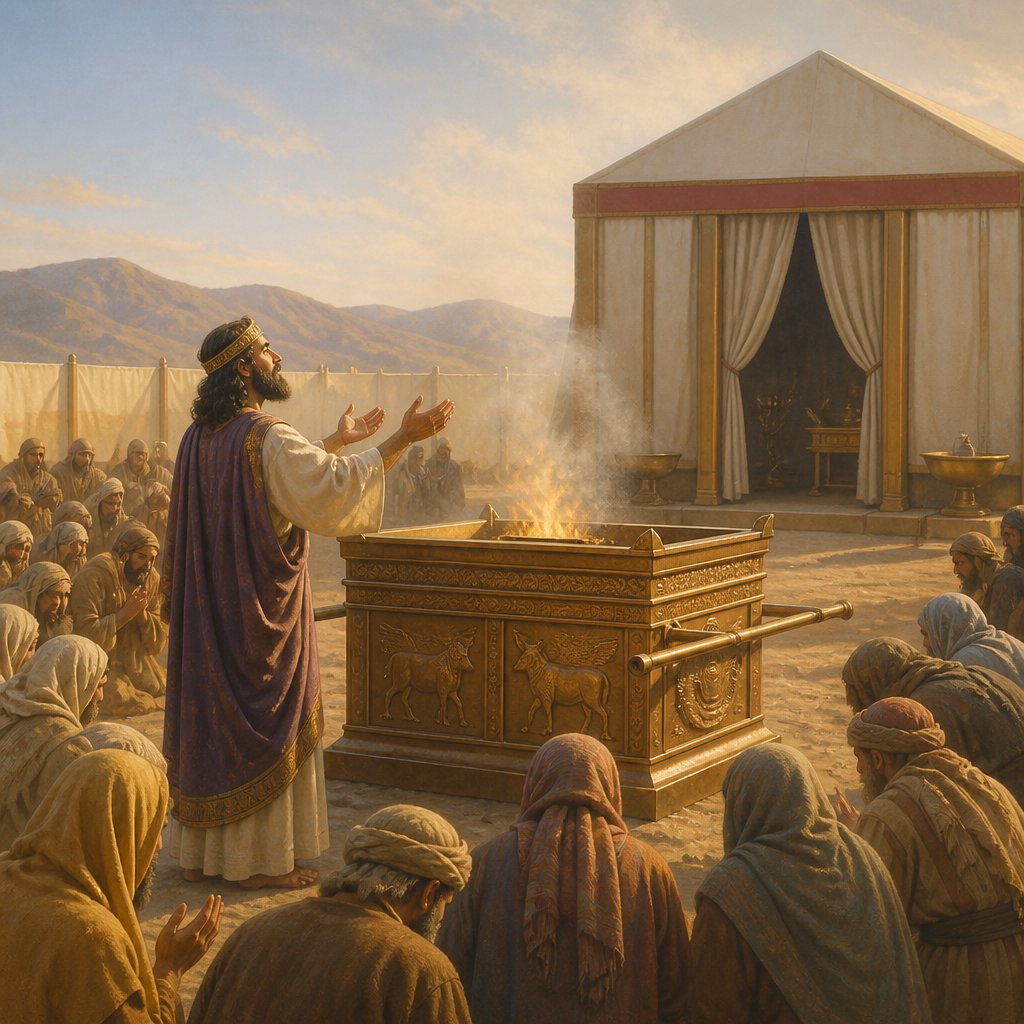
The Bible verse 2 Chronicles 1:5 from the King James Version reads, "Moreover the brasen altar, that Bezaleel the son of Uri, the son of Hur, had made, he put before the tabernacle of the Lord: and Solomon and the congregation sought unto it." This verse is part of a larger passage that describes King Solomon's dedication of the new temple he had built for the Lord in Jerusalem.
In order to understand the full meaning and context of this verse, it is important to first understand the historical and cultural context in which it was written. The book of 2 Chronicles is part of the Hebrew Bible and the Christian Old Testament, and it is believed to have been written by Ezra, a Jewish scribe and priest, sometime after the Babylonian exile, when the people of Israel were allowed to return to their homeland. The purpose of the book is to retell the history of the Israelites from a religious perspective, focusing on their relationship with God and the significance of worship and obedience to Him.
The specific verse in question describes the placement of the brazen altar – a large, bronze altar used for animal sacrifices – outside the tabernacle of the Lord, in front of the entrance to the temple that Solomon had built. This detail is significant because it demonstrates Solomon's commitment to following the traditions and rituals established by his ancestors, particularly as it relates to worship and sacrifice. By placing the altar in this prominent position, Solomon is not only honoring God, but also acknowledging the importance of the sacrificial system in the religious life of the Israelites.
Symbolically, the brazen altar represents the atonement for sin through the shedding of blood. In the Old Testament, animal sacrifices were a central part of the Israelites' worship, and the brazen altar was the place where these sacrifices were offered to God as a means of seeking forgiveness and reconciliation. The placement of the altar before the tabernacle signifies the central role of atonement and repentance in the Israelites' relationship with God. It serves as a reminder that forgiveness and restoration are essential components of their covenant with God.
Furthermore, the fact that Solomon and the congregation "sought unto" the brazen altar indicates a collective desire for spiritual renewal and divine intervention. The act of seeking the altar suggests a recognition of the people's own sinfulness and their need for God's mercy. This reflects a theme that runs throughout the Bible – the idea that genuine repentance and seeking after God are necessary for experiencing His grace and favor.
In a broader sense, this verse also serves as a reminder of the importance of tradition and continuity in the practice of faith. By honoring the legacy of Bezaleel, the craftsman who originally made the brazen altar, Solomon demonstrates an understanding of the significance of preserving and upholding the religious customs and rituals that had been established by previous generations. This emphasis on continuity underscores the enduring nature of God's covenant with His people and the timeless principles of worship and devotion that form the foundation of the Judeo-Christian tradition.
In conclusion, 2 Chronicles 1:5 is a verse that carries rich symbolism and profound religious significance. It speaks to the themes of atonement, repentance, tradition, and seeking after God, while also providing insight into the historical and cultural context of ancient Israelite worship. As part of the larger narrative of King Solomon's dedication of the temple, this verse serves as a powerful reminder of the centrality of worship and sacrifice in the religious life of the Israelites, as well as the enduring values of faith and obedience that continue to resonate with believers today.
Get our apps


Artwork for 2 Chronicles 1:5

2 Chronicles 1:5 - "Moreover the brasen altar, that Bezaleel the son of Uri, the son of Hur, had made, he put before the tabernacle of the LORD: and Solomon and the congregation sought unto it."
"Moreover the brasen altar, that Bezaleel the son of Uri, the son of Hur, had made, he put before the tabernacle of the LORD: and Solomon and the congregation sought unto it." - 2 Chronicles 1:5

1 Chronicles 2:5 - "The sons of Pharez; Hezron, and Hamul."

1 Chronicles 5:2 - "For Judah prevailed above his brethren, and of him came the chief ruler; but the birthright was Joseph's:)"

"The sons of Pharez; Hezron, and Hamul." - 1 Chronicles 2:5

1 Chronicles 1:5 - "¶ The sons of Japheth; Gomer, and Magog, and Madai, and Javan, and Tubal, and Meshech, and Tiras."

1 Chronicles 5:5 - "Micah his son, Reaia his son, Baal his son,"

1 Chronicles 8:5 - "And Gera, and Shephuphan, and Huram."

1 Chronicles 14:5 - "And Ibhar, and Elishua, and Elpalet,"

2 Chronicles 2:5 - "And the house which I build is great: for great is our God above all gods."

1 Chronicles 9:5 - "And of the Shilonites; Asaiah the firstborn, and his sons."

2 Chronicles 11:5 - "¶ And Rehoboam dwelt in Jerusalem, and built cities for defence in Judah."

2 Chronicles 5:5 - "And they brought up the ark, and the tabernacle of the congregation, and all the holy vessels that were in the tabernacle, these did the priests and the Levites bring up."

2 Chronicles 5:4 - "And all the elders of Israel came; and the Levites took up the ark."

1 Chronicles 12:5 - "Eluzai, and Jerimoth, and Bealiah, and Shemariah, and Shephatiah the Haruphite,"

1 Chronicles 5:19 - "And they made war with the Hagarites, with Jetur, and Nephish, and Nodab."

1 Chronicles 6:5 - "And Abishua begat Bukki, and Bukki begat Uzzi,"

2 Chronicles 34:5 - "And he burnt the bones of the priests upon their altars, and cleansed Judah and Jerusalem."

1 Chronicles 1:2 - "Kenan, Mahalaleel, Jered,"

1 Chronicles 5:12 - "Joel the chief, and Shapham the next, and Jaanai, and Shaphat in Bashan."
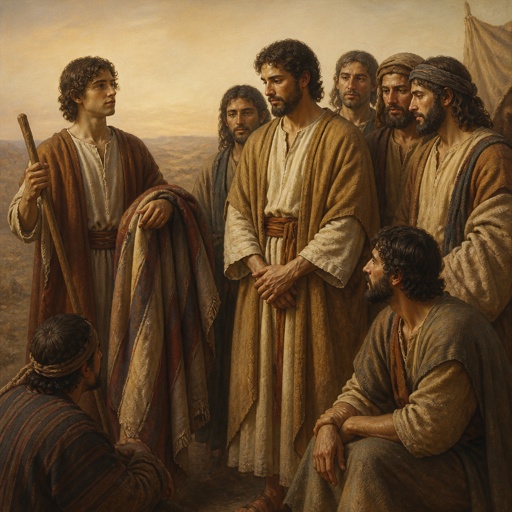
"For Judah prevailed above his brethren, and of him came the chief ruler; but the birthright was Joseph's:)" - 1 Chronicles 5:2
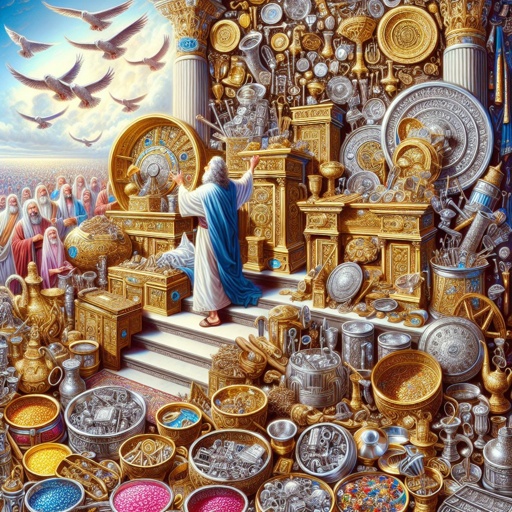
2 Chronicles 5:1 - "Thus all the work that Solomon made for the house of the LORD was finished: and Solomon brought in all the things that David his father had dedicated; and the silver, and the gold, and all the instruments, put he among the treasures of the house of God."

2 Chronicles 20:5 - "¶ And Jehoshaphat stood in the congregation of Judah and Jerusalem, in the house of the LORD, before the new court,"

2 Chronicles 33:5 - "And he built altars for all the host of heaven in the two courts of the house of the LORD."

1 Chronicles 5:15 - "Ahi the son of Abdiel, the son of Guni, chief of the house of their fathers."

1 Chronicles 15:5 - "Of the sons of Kohath; Uriel the chief, and his brethren an hundred and twenty:"

1 Chronicles 4:5 - "¶ And Ashur the father of Tekoa had two wives, Helah and Naarah."

2 Chronicles 19:5 - "¶ And he set judges in the land throughout all the fenced cities of Judah, city by city,"

1 Chronicles 26:5 - "Ammiel the sixth, Issachar the seventh, Peulthai the eighth: for God blessed him."

Micah 5:2-5