What does 2 Chronicles 20:26 mean?
“And on the fourth day they assembled themselves in the valley of Berachah; for there they blessed the LORD: therefore the name of the same place was called, The valley of Berachah, unto this day.” — 2 Chronicles 20:26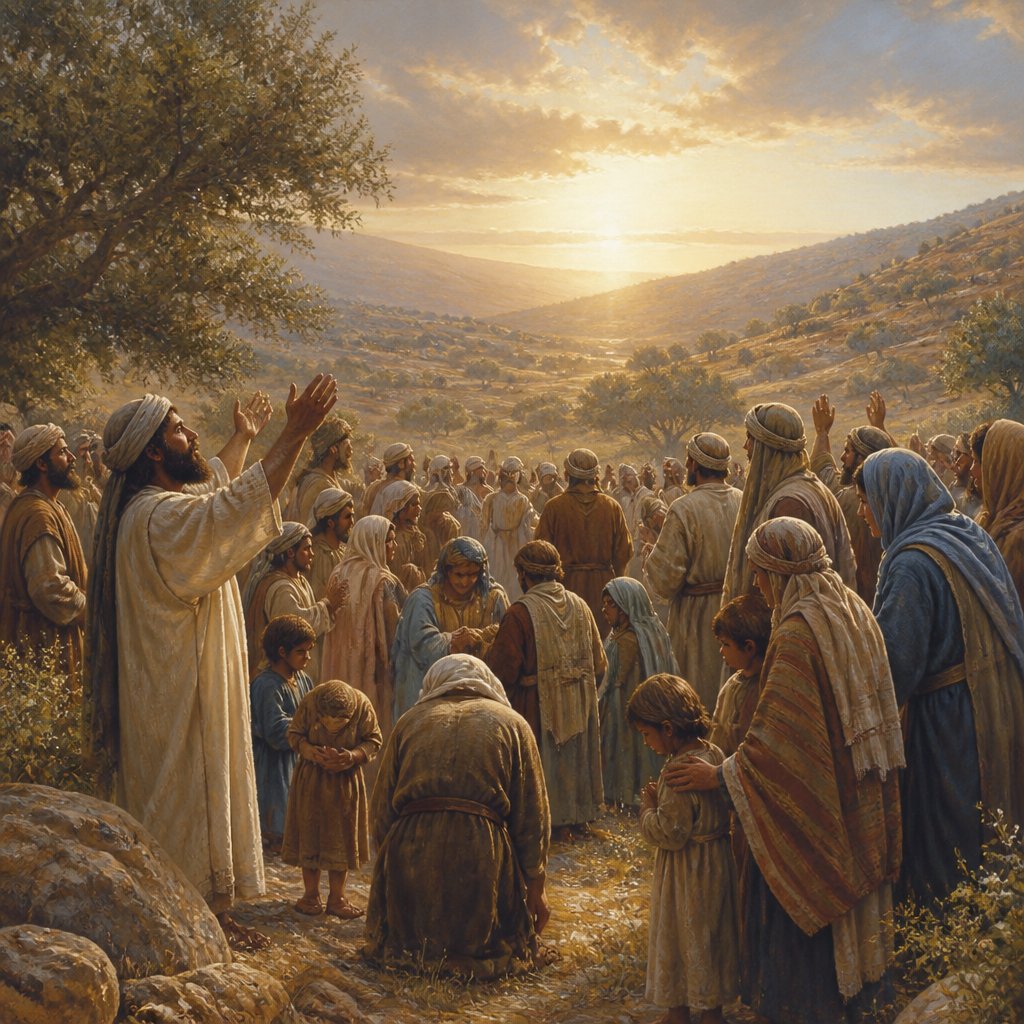
2 Chronicles 20:26 (KJV) says, "And on the fourth day they assembled themselves in the valley of Berachah; for there they blessed the Lord: therefore the name of the same place was called, The valley of Berachah, unto this day." This verse comes from the Old Testament book of 2 Chronicles, which chronicles the history of the kings of Judah. This particular chapter tells the story of King Jehoshaphat and his trust in God during a time of crisis and impending battle.
To truly understand the meaning and significance of 2 Chronicles 20:26, it is important to first have some context. In the preceding verses, King Jehoshaphat and the people of Judah are facing a great threat from several enemy nations. Instead of relying on his military strength alone, Jehoshaphat seeks the Lord and calls for a fast throughout Judah. He then prays to God, acknowledging His sovereignty and asking for deliverance from their enemies. The Lord responds to their prayers through Jahaziel, a Levite, who gives a prophetic message of assurance and victory from God.
With this background in mind, we can delve into the deeper meaning of 2 Chronicles 20:26. The verse describes the aftermath of the battle and the faithfulness of God in delivering His people. The phrase "they assembled themselves in the valley of Berachah" signifies the gathering of the people after the victory, coming together in a place that would become significant and consecrated in their memory. The valley of Berachah, which means "valley of blessing" in Hebrew, is a symbolic reminder of God's faithfulness and provision during their time of need. The act of assembling and blessing the Lord in this sacred place demonstrates the community's gratitude and acknowledgment of God's intervention in their lives.
The naming of the valley of Berachah holds profound significance. In the biblical tradition, names are often imbued with symbolic meaning and serve as reminders of specific events or encounters with God. The naming of the valley as "The valley of Berachah, unto this day" serves as a lasting testament to the faithfulness of God and a memorial to the miraculous deliverance experienced by the people of Judah. It stands as a tangible representation of God's presence and provision in their history, reminding future generations of His faithfulness.
Furthermore, the verse underscores the theme of worship and thanksgiving. The act of blessing the Lord in the valley of Berachah reflects the community's acknowledgment of God's sovereignty and goodness. In times of triumph and victory, it is crucial to remember to give thanks and praise to God for His intervention and grace. The valley of Berachah serves as a place of worship and commemoration, where the people of Judah publicly express their gratitude and devotion to God.
In a broader sense, 2 Chronicles 20:26 carries timeless spiritual lessons for believers today. It serves as a reminder of the faithfulness of God in the midst of adversity and the importance of seeking Him in times of trouble. Just as King Jehoshaphat and the people of Judah turned to God in prayer and fasting, we are encouraged to approach God with humility and reliance on His strength. The valley of Berachah also points to the significance of commemorating and celebrating God's faithfulness in our lives, creating markers of remembrance that testify to His enduring love and provision.
In conclusion, 2 Chronicles 20:26 offers a rich and profound message of faith, worship, and remembrance. It encapsulates the themes of God's faithfulness, the power of communal worship, and the importance of acknowledging His sovereignty in all circumstances. The naming of the valley of Berachah stands as a testimony to the enduring presence and provision of God, inspiring believers to trust in Him and give thanks for His continued blessings.
Get our apps


Artwork for 2 Chronicles 20:26

2 Chronicles 20:26 - "¶ And on the fourth day they assembled themselves in the valley of Berachah; for there they blessed the LORD: therefore the name of the same place was called, The valley of Berachah, unto this day."
"¶ And on the fourth day they assembled themselves in the valley of Berachah; for there they blessed the LORD: therefore the name of the same place was called, The valley of Berachah, unto this day." - 2 Chronicles 20:26

1 Chronicles 26:20 - "¶ And of the Levites, Ahijah was over the treasures of the house of God, and over the treasures of the dedicated things."

2 Chronicles 20:37

2 Chronicles 20:28
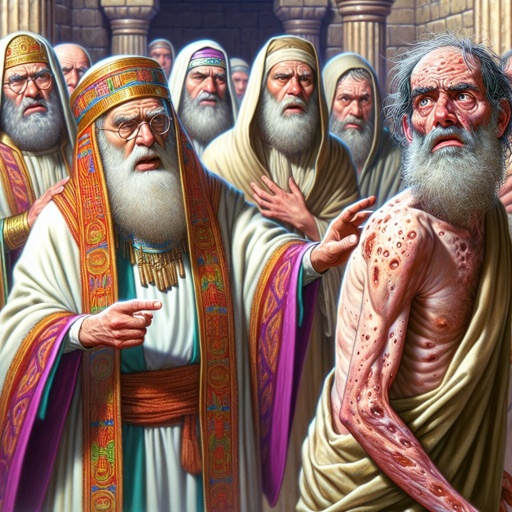
2 Chronicles 26:20 - "And Azariah the chief priest, and all the priests, looked upon him, and, behold, he was leprous in his forehead, and they thrust him out from thence; yea, himself hasted also to go out, because the LORD had smitten him."

2 Chronicles 20:21

2 Chronicles 20:18

2 Chronicles 11:20

2 Chronicles 26:2 - "He built Eloth, and restored it to Judah, after that the king slept with his fathers."

2 Chronicles 29:26 - "And the Levites stood with the instruments of David, and the priests with the trumpets."

2 Samuel 20:26 - "And Ira also the Jairite was a chief ruler about David."

2 Chronicles 29:26 (KJVA) 26 And the Levites stood with the instruments of David, and the priests with the trumpets.

2 Chronicles 30:20 - "And the LORD hearkened to Hezekiah, and healed the people."

1 Chronicles 2:20 - "And Hur begat Uri, and Uri begat Bezaleel."

2 Chronicles 26:7 - "And God helped him against the Philistines, and against the Arabians that dwelt in Gurbaal, and the Mehunims."

2 Chronicles 35:26 - "Now the rest of the acts of Josiah, and his goodness, according to that which was written in the law of the LORD,"

2 Chronicles 24:26 - "And these are they that conspired against him; Zabad the son of Shimeath an Ammonitess, and Jehozabad the son of Shimrith a Moabitess."

2 Chronicles 20:28 - "And they came to Jerusalem with psalteries and harps and trumpets unto the house of the LORD."

1 Chronicles 26:2 - "And the sons of Meshelemiah were, Zechariah the firstborn, Jediael the second, Zebadiah the third, Jathniel the fourth,"

1 Chronicles 2:26 - "Jerahmeel had also another wife, whose name was Atarah; she was the mother of Onam."

2 Chronicles 25:26 - "Now the rest of the acts of Amaziah, first and last, behold, are they not written in the book of the kings of Judah and Israel?"

2 Chronicles 26:4 - "And he did that which was right in the sight of the LORD, according to all that his father Amaziah did."

2 Chronicles 26:17 - "And Azariah the priest went in after him, and with him fourscore priests of the LORD, that were valiant men:"

2 Chronicles 26:12 - "The whole number of the chief of the fathers of the mighty men of valour were two thousand and six hundred."

2 Chronicles 26:22 - "¶ Now the rest of the acts of Uzziah, first and last, did Isaiah the prophet, the son of Amoz, write."

2 Kings 15:26 - "And the rest of the acts of Pekahiah, and all that he did, behold, they are written in the book of the chronicles of the kings of Israel."

"¶ And of the Levites, Ahijah was over the treasures of the house of God, and over the treasures of the dedicated things." - 1 Chronicles 26:20

2 Chronicles 20:13 - "And all Judah stood before the LORD, with their little ones, their wives, and their children."

2 Chronicles 30:26 - "So there was great joy in Jerusalem: for since the time of Solomon the son of David king of Israel there was not the like in Jerusalem."