What does 2 Chronicles 20:7 mean?
“Art not thou our God, who didst drive out the inhabitants of this land before thy people Israel, and gavest it to the seed of Abraham thy friend for ever?” — 2 Chronicles 20:7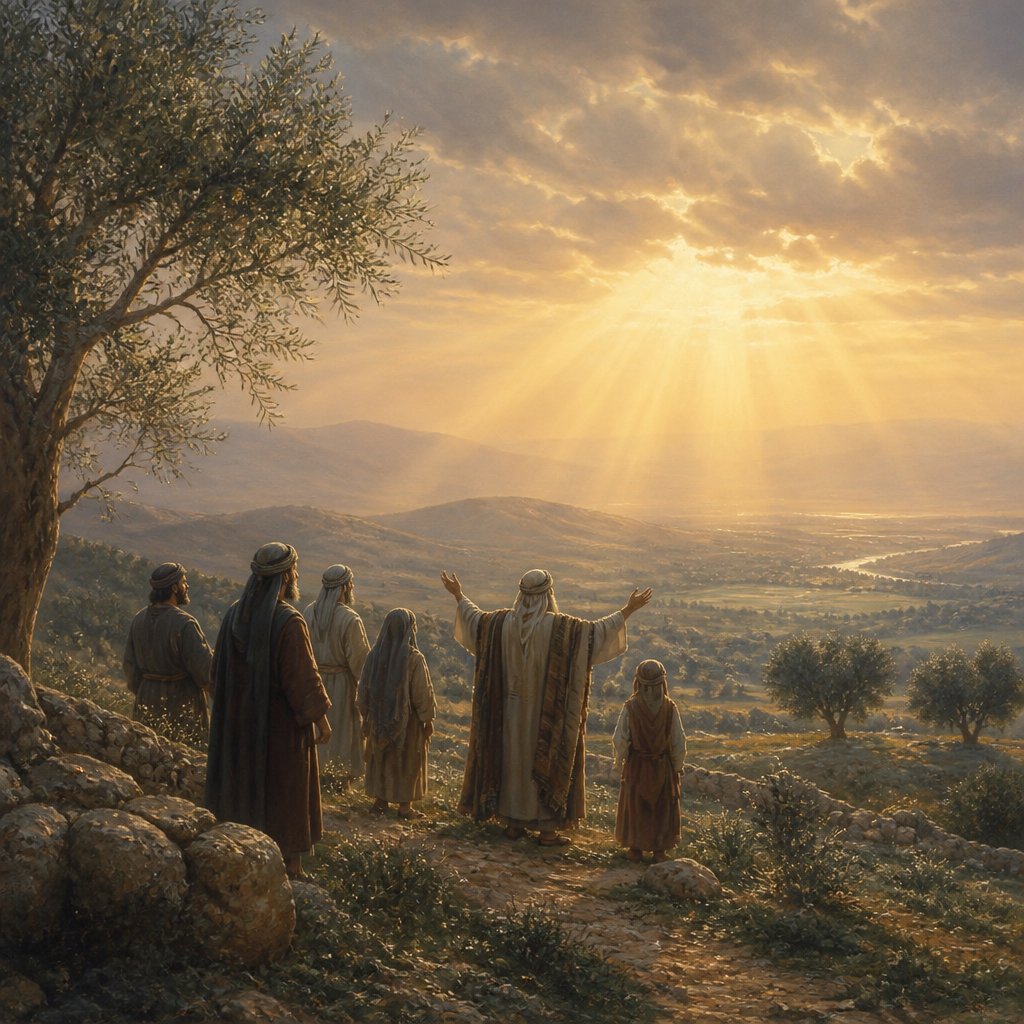
The verse 2 Chronicles 20:7 in the King James Version of the Bible reads, "Art not thou our God, who didst drive out the inhabitants of this land before thy people Israel, and gavest it to the seed of Abraham thy friend for ever?" This verse comes from the Old Testament, specifically from the book of 2 Chronicles, which is a historical account of the kings of Judah.
In this verse, King Jehoshaphat is speaking to God, reminding Him of His faithfulness to the people of Israel in the past. The context of this verse is a time of crisis for the people of Judah. The Moabites, Ammonites, and Meunites had come to make war against Jehoshaphat and the people of Judah. In response to this threat, King Jehoshaphat turned to God in prayer, seeking His guidance and help. This verse is part of Jehoshaphat's prayer, where he acknowledges God's power and faithfulness in the past and appeals to Him for assistance in their time of need.
One of the key themes in this verse is the faithfulness of God. Jehoshaphat acknowledges that it was God who had driven out the inhabitants of the land before the people of Israel and had given it to them as an inheritance. This demonstrates the belief of the Israelites that God is the one who oversees their history and guides their destiny. By reminding God of His past actions on behalf of the people of Israel, Jehoshaphat is affirming his trust in God's faithfulness and seeking His intervention in their current situation.
Another important theme in this verse is the covenant relationship between God and the people of Israel. Jehoshaphat refers to Abraham as "thy friend" and asserts that God had given the land to the seed of Abraham forever. This highlights the special relationship between God and the Israelites, as established through the covenant with Abraham. By invoking the memory of this covenant, Jehoshaphat is appealing to God's commitment to His chosen people and asking for His support based on this relationship.
The verse also contains elements of symbolism, particularly in the references to the land that God had given to the seed of Abraham. The promised land holds great significance in the history and identity of the Israelites, representing God's faithfulness and provision for His people. By recalling God's actions in giving them the land, Jehoshaphat is drawing attention to the importance of their inheritance and seeking God's protection and guidance in preserving it.
Overall, 2 Chronicles 20:7 provides a powerful example of faith and reliance on God in the face of adversity. It demonstrates the belief in God's faithfulness, the significance of the covenant relationship between God and His people, and the symbolism of the promised land. Ultimately, this verse serves as a reminder of the enduring trust that the people of Judah had in God and their reliance on His intervention in times of trouble.
Get our apps


Artwork for 2 Chronicles 20:7

2 Chronicles 20:7 - "Art not thou our God, who didst drive out the inhabitants of this land before thy people Israel, and gavest it to the seed of Abraham thy friend for ever?"
"Art not thou our God, who didst drive out the inhabitants of this land before thy people Israel, and gavest it to the seed of Abraham thy friend for ever?" - 2 Chronicles 20:7

1 Chronicles 20:7 - "But when he defied Israel, Jonathan the son of Shimea David's brother slew him."

2 Chronicles 20:37

2 Chronicles 20:28

2 Chronicles 20:21

2 Chronicles 20:18

2 Chronicles 11:20
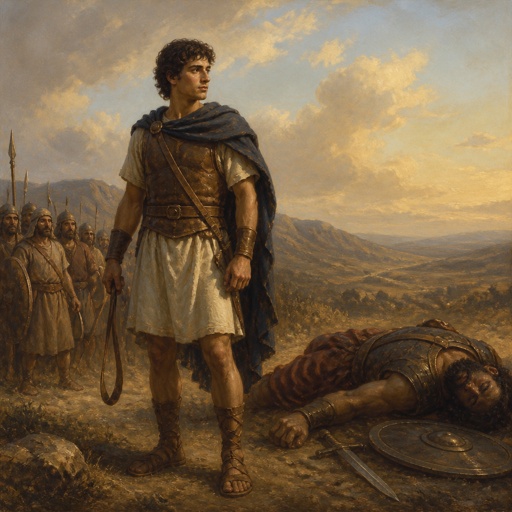
"But when he defied Israel, Jonathan the son of Shimea David's brother slew him." - 1 Chronicles 20:7

2 Chronicles 30:20 - "And the LORD hearkened to Hezekiah, and healed the people."

1 Chronicles 2:20 - "And Hur begat Uri, and Uri begat Bezaleel."

2 chronicles 7:14

2 chronicles 7:14
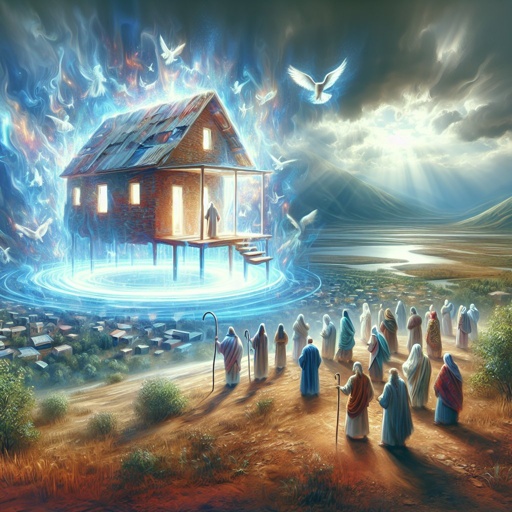
2 Chronicles 7:20 - "Then will I pluck them up by the roots out of my land which I have given them; and this house, which I have sanctified for my name, will I cast out of my sight, and will make it to be a proverb and a byword among all nations."

2 Chronicles 20:28 - "And they came to Jerusalem with psalteries and harps and trumpets unto the house of the LORD."

1 Chronicles 7:20 - "¶ And the sons of Ephraim; Shuthelah, and Bered his son, and Tahath his son, and Eladah his son, and Tahath his son,"

2 Chronicles 11:7 - "And Beth-zur, and Shoco, and Adullam,"

2 Chronicles 20:13 - "And all Judah stood before the LORD, with their little ones, their wives, and their children."

2 Chronicles 32:20 - "And for this cause Hezekiah the king, and the prophet Isaiah the son of Amoz, prayed and cried to heaven."

2 Kings 20:20 - "¶ And the rest of the acts of Hezekiah, and all his might, and how he made a pool, and a conduit, and brought water into the city, are they not written in the book of the chronicles of the kings of Judah?"

2 Chronicles 20:5 - "¶ And Jehoshaphat stood in the congregation of Judah and Jerusalem, in the house of the LORD, before the new court,"

2 Chronicles 20:8 - "And they dwelt therein, and have built thee a sanctuary therein for thy name, saying,"

2 Chronicles 29:20 - "¶ Then Hezekiah the king rose early, and gathered the rulers of the city, and went up to the house of the LORD."

2 Chronicles 20:3 - "And Jehoshaphat feared, and set himself to seek the LORD, and proclaimed a fast throughout all Judah."

2 Chronicles 20:30 - "So the realm of Jehoshaphat was quiet: for his God gave him rest round about."

2 Chronicles 4:20 - "Moreover the candlesticks with their lamps, that they should burn after the manner before the oracle, of pure gold;"

2 Chronicles 28:20 - "And Tilgath-pilneser king of Assyria came unto him, and distressed him, but strengthened him not."

2 Chronicles 7:4 - "¶ Then the king and all the people offered sacrifices before the LORD."

2 Chronicles 7:2 - "And the priests could not enter into the house of the LORD, because the glory of the LORD had filled the LORD'S house."

2 Chronicles 20:36 - "And he joined himself with him to make ships to go to Tarshish: and they made the ships in Ezion-geber."