What does 2 Chronicles 36:20 mean?
“And them that had escaped from the sword carried he away to Babylon; where they were servants to him and his sons until the reign of the kingdom of Persia:” — 2 Chronicles 36:20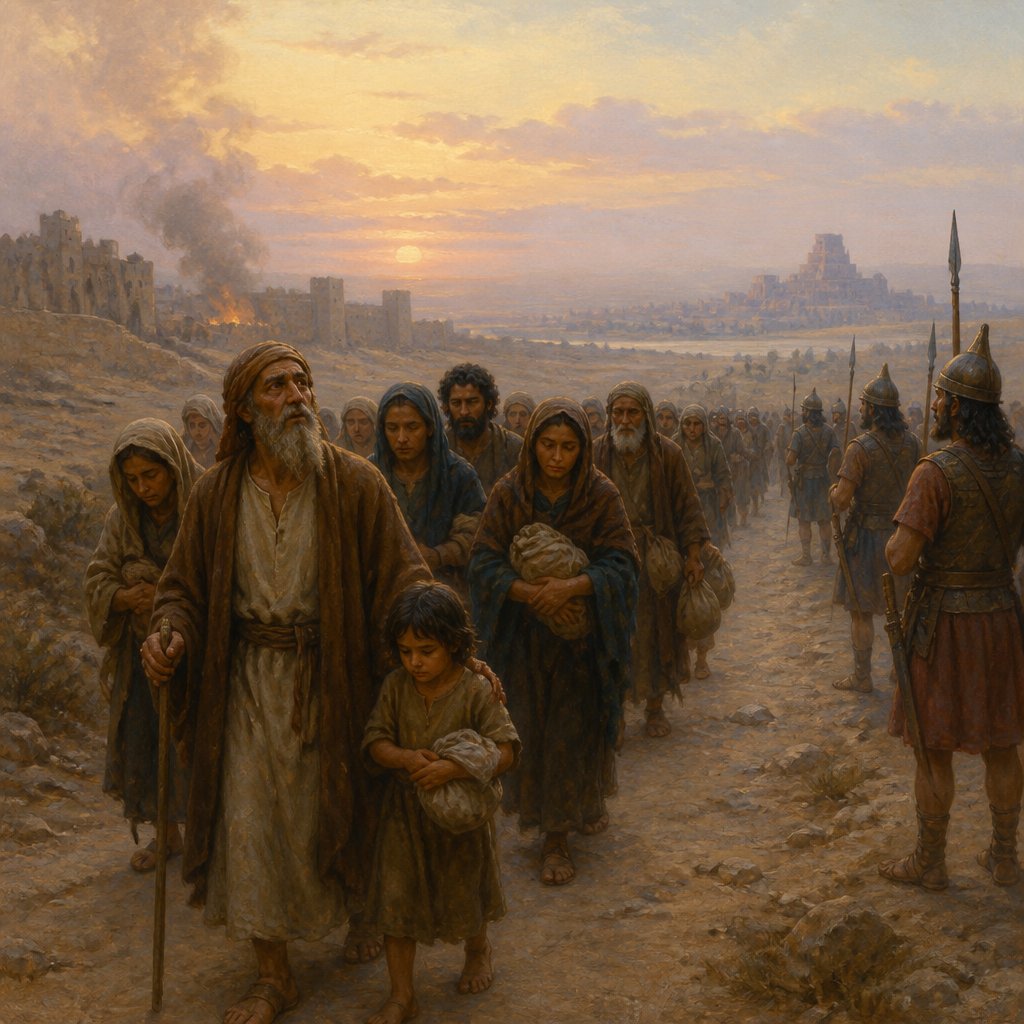
The verse 2 Chronicles 36:20 from the King James Version of the Bible reads, "And them that had escaped from the sword carried he away to Babylon; where they were servants to him and his sons until the reign of the kingdom of Persia." This verse is part of the historical account of Judah's captivity and exile to Babylon, and it holds deep significance within the broader context of the Old Testament.
To fully understand the meaning and commentary of this verse, it is essential to understand the historical context in which it is situated. The book of 2 Chronicles is the last book of the Hebrew Bible and serves as a continuation of the narrative found in 1 Chronicles. It recounts the events of the kings of Judah, focusing on their reigns, their relationship with God, and their obedience or disobedience to His laws.
2 Chronicles 36:20 specifically narrates the devastating consequences of Judah's continuous disobedience to God. The verse describes how the people who survived the Babylonian conquest were forcibly taken away to Babylon, where they were made servants to the king and his sons. This event marked the end of the independent kingdom of Judah, as they were now subject to the rule of a foreign empire. The period of exile in Babylon was a time of great suffering, separation from their homeland, and a loss of national identity for the people of Judah.
The theme of exile and captivity is a prevalent one throughout the Old Testament, and it serves as a reminder of the consequences of turning away from God. The exile to Babylon was a direct result of the people's persistent disobedience, idolatry, and failure to uphold their covenant with God. It was a punishment for their sins, and it served as a harsh reminder of the importance of faithfulness and obedience to God's commandments.
Symbolically, the exile to Babylon represents the spiritual consequences of sin and the broken relationship between God and His people. It serves as a warning against the dangers of straying from God's will and the ultimate outcome of disregarding His laws. Furthermore, the forced servitude in Babylon symbolizes the loss of freedom and autonomy that comes with disobedience. It serves as a powerful metaphor for the bondage and captivity that sin brings into the lives of individuals and communities.
The verse also highlights the concept of divine judgment and the sovereignty of God. The exile to Babylon was not merely a result of political and military conquest but was ultimately part of God's plan to discipline His people and bring about their repentance. It reflects the idea that God is in control of human history and that He uses both the actions of nations and individuals to accomplish His purposes.
In a broader theological sense, this verse points to the faithfulness and mercy of God amidst judgment. Even in the midst of exile and suffering, God remained present with His people and ultimately brought about their restoration. The subsequent events of the Old Testament, particularly the return from exile and the rebuilding of the temple, demonstrate God's willingness to forgive and restore His people when they turn back to Him in repentance and obedience.
In conclusion, 2 Chronicles 36:20 is a powerful reminder of the consequences of disobedience, the sovereignty of God, and the faithfulness of God amidst judgment. It serves as a cautionary tale and a call to repentance, highlighting the enduring themes of sin, judgment, and divine mercy found throughout the Old Testament. As Christians, it challenges us to reflect on our obedience to God and consider the consequences of straying from His will. It also encourages us to trust in God's faithfulness and mercy, even in the face of judgment and suffering.
Get our apps


Artwork for 2 Chronicles 36:20

2 Chronicles 36:20 - "And them that had escaped from the sword carried he away to Babylon; where they were servants to him and his sons until the reign of the kingdom of Persia:"
"And them that had escaped from the sword carried he away to Babylon; where they were servants to him and his sons until the reign of the kingdom of Persia:" - 2 Chronicles 36:20

2 Chronicles 20:36 - "And he joined himself with him to make ships to go to Tarshish: and they made the ships in Ezion-geber."

2 Chronicles 36:22
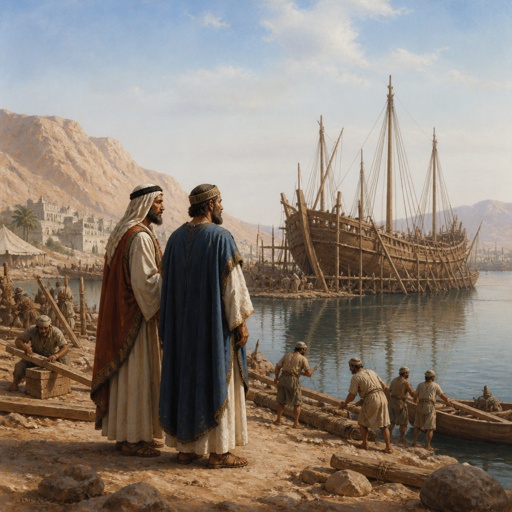
"And he joined himself with him to make ships to go to Tarshish: and they made the ships in Ezion-geber." - 2 Chronicles 20:36

1 Chronicles 2:36 - "And Attai begat Nathan, and Nathan begat Zabad,"

2 Chronicles 36:2 - "Jehoahaz was twenty and three years old when he began to reign, and he reigned three months in Jerusalem."

2 Chronicles 29:36 - "And Hezekiah rejoiced, and all the people, that God had prepared the people: for the thing was done suddenly."

2 Chronicles 36:7 - "Nebuchadnezzar also carried of the vessels of the house of the LORD to Babylon, and put them in his temple at Babylon."

2 Kings 15:36 - "¶ Now the rest of the acts of Jotham, and all that he did, are they not written in the book of the chronicles of the kings of Judah?"

2 Chronicles 20:37

2 Chronicles 20:28

2 Chronicles 11:20

2 Chronicles 36:3 - "And the king of Egypt put him down at Jerusalem, and condemned the land in an hundred talents of silver and a talent of gold."

2 Chronicles 36:11 - "¶ Zedekiah was one and twenty years old when he began to reign, and reigned eleven years in Jerusalem."

2 Chronicles 36:1 - "Then the people of the land took Jehoahaz the son of Josiah, and made him king in his father's stead in Jerusalem."

2 Chronicles 36:6 - "Against him came up Nebuchadnezzar king of Babylon, and bound him in fetters, to carry him to Babylon."

2 Chronicles 20:21

2 Chronicles 20:18

"And Attai begat Nathan, and Nathan begat Zabad," - 1 Chronicles 2:36

2 Chronicles 30:20 - "And the LORD hearkened to Hezekiah, and healed the people."

1 Chronicles 2:20 - "And Hur begat Uri, and Uri begat Bezaleel."

2 Chronicles 36:18 - "And all the vessels of the house of God, great and small, and the treasures of the house of the LORD, and the treasures of the king, and of his princes; all these he brought to Babylon."

2 Chronicles 36:12 - "And he did that which was evil in the sight of the LORD his God, and humbled not himself before Jeremiah the prophet speaking from the mouth of the LORD."

2 Chronicles 36:19 - "And they burnt the house of God, and brake down the wall of Jerusalem, and burnt all the palaces thereof with fire, and destroyed all the goodly vessels thereof."

2 Chronicles 36:16 - "But they mocked the messengers of God, and despised his words, and misused his prophets, until the wrath of the LORD arose against his people, till there was no remedy."

2 Chronicles 20:28 - "And they came to Jerusalem with psalteries and harps and trumpets unto the house of the LORD."

2 Chronicles 36:14 - "¶ Moreover all the chief of the priests, and the people, transgressed very much after all the abominations of the heathen; and polluted the house of the LORD which he had hallowed in Jerusalem."

2 Chronicles 36:15 - "And the LORD God of their fathers sent to them by his messengers, rising up betimes, and sending; because he had compassion on his people, and on his dwelling place:"

2 Chronicles 20:13 - "And all Judah stood before the LORD, with their little ones, their wives, and their children."