What does 2 Chronicles 7:13 mean?
“If I shut up heaven that there be no rain, or if I command the locusts to devour the land, or if I send pestilence among my people;” — 2 Chronicles 7:13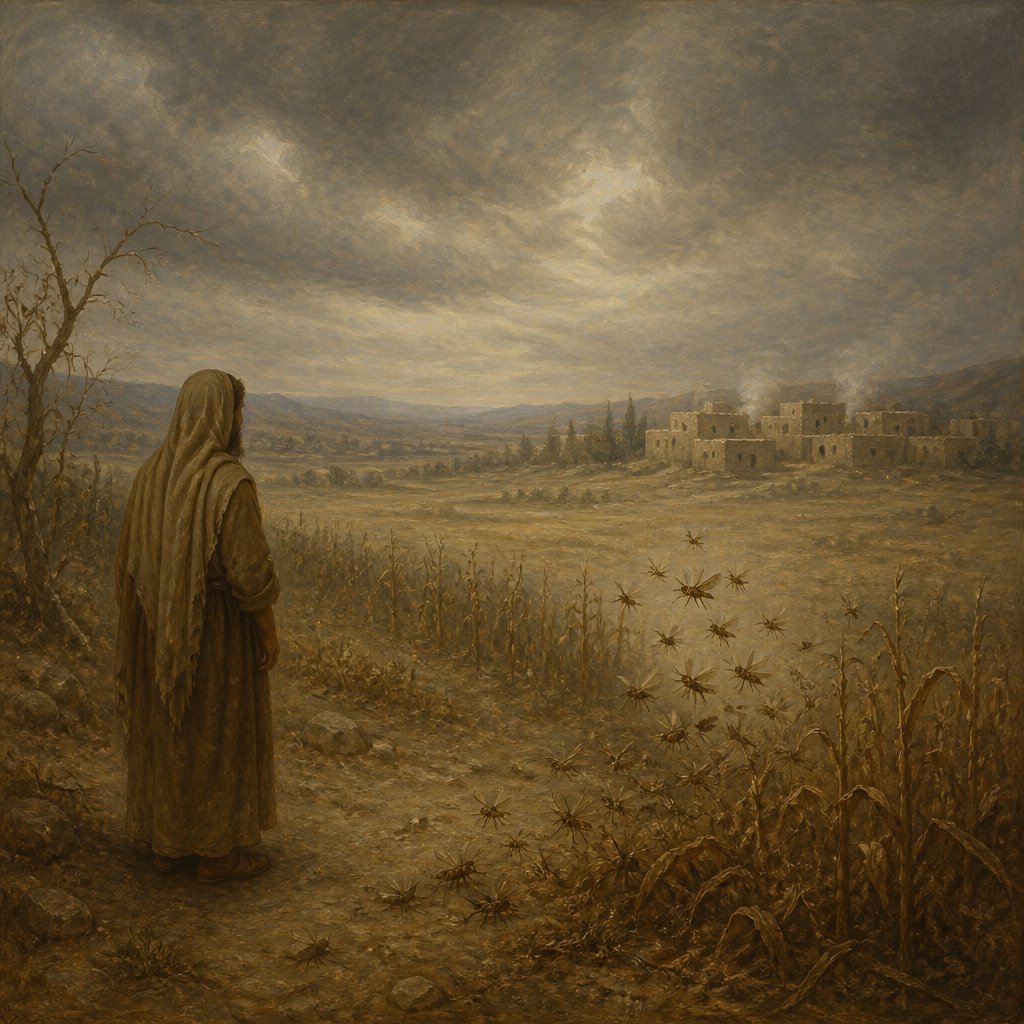
2 Chronicles 7:13 (KJV) reads, "If I shut up heaven that there be no rain, or if I command the locusts to devour the land, or if I send pestilence among my people."
This verse comes from the book of 2 Chronicles, which is a historical account of the Kings of Judah from the time of Solomon to the Babylonian exile. This particular verse is part of a larger passage in which God appears to King Solomon after the completion of the temple and promises to hear and answer the prayers of His people if they turn from their wicked ways and seek His face.
The context of this verse is important for understanding its significance. In the preceding verses, King Solomon has just finished building the temple, and God appears to him in a dream, promising to answer the prayers of His people if they turn from their wicked ways and seek His face. This verse is part of a warning from God that if the people turn away from Him, He will bring judgment upon them by withholding rain, sending locusts to devour the land, or causing pestilence among the people.
One of the key themes in this verse is the idea of divine judgment. God is portrayed as having control over the natural world, and He can use these natural forces to bring judgment upon His people when they stray from His will. This reflects the belief in the Old Testament that God's covenant with His people included blessings for obedience and curses for disobedience. The idea that disobedience would result in agricultural and health-related hardships was a common belief in ancient Near Eastern cultures, and it is reflected in this verse.
The symbolism in this verse is also important to consider. The shutting up of heaven, the sending of locusts, and the pestilence are all symbolic of God's power to bring judgment upon His people. These are also common motifs in the Old Testament, as they were seen as signs of God's displeasure and punishment. The use of these symbols serves to emphasize the severity of God's judgment and the need for His people to repent and turn back to Him.
This verse also carries a message of hope and redemption. While it warns of the consequences of disobedience, it also holds the promise of God's mercy and forgiveness if His people turn from their wicked ways and seek His face. The larger passage in which this verse appears emphasizes the power of prayer and the importance of seeking God in times of trouble. This message of hope and redemption is a common theme throughout the Bible, and it is particularly prominent in the book of 2 Chronicles.
In conclusion, 2 Chronicles 7:13 (KJV) is a verse that conveys the idea of divine judgment and the consequences of disobedience, while also offering a message of hope and redemption. It reflects the belief in the Old Testament that God's covenant with His people included blessings for obedience and curses for disobedience. The symbolism in the verse serves to emphasize the severity of God's judgment and the need for His people to repent and turn back to Him. Ultimately, this verse highlights the importance of seeking God in times of trouble and the promise of His mercy and forgiveness for those who turn to Him.
Get our apps


Artwork for 2 Chronicles 7:13

2 Chronicles 7:13 - "If I shut up heaven that there be no rain, or if I command the locusts to devour the land, or if I send pestilence among my people;"
"If I shut up heaven that there be no rain, or if I command the locusts to devour the land, or if I send pestilence among my people;" - 2 Chronicles 7:13

1 Chronicles 7:13 - "¶ The sons of Naphtali; Jahziel, and Guni, and Jezer, and Shallum, the sons of Bilhah."

2 Chronicles 13:7 - "And there are gathered unto him vain men, the children of Belial, and have strengthened themselves against Rehoboam the son of Solomon, when Rehoboam was young and tenderhearted, and could not withstand them."

2 chronicles 7:14

2 chronicles 7:14

2 Chronicles 6:13

2 chronicles 13:12

1 Chronicles 13:7 - "And they carried the ark of God in a new cart out of the house of Abinadab: and Uzza and Ahio drave the cart."
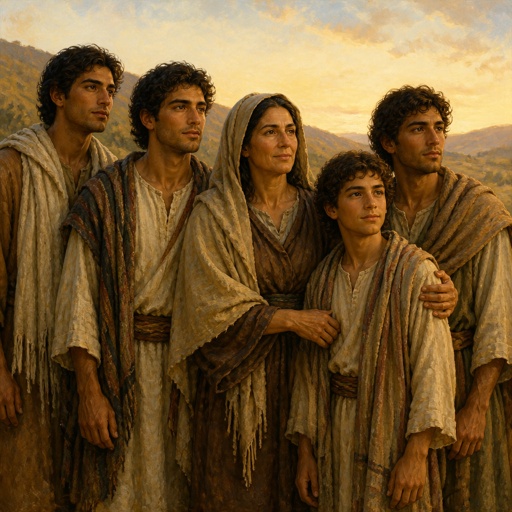
"¶ The sons of Naphtali; Jahziel, and Guni, and Jezer, and Shallum, the sons of Bilhah." - 1 Chronicles 7:13

2 Chronicles 11:7 - "And Beth-zur, and Shoco, and Adullam,"

Humble ourselves and pray 2 Chronicles 7:14

2 Chronicles 2:13 - "And now I have sent a cunning man, endued with understanding, of Huram my father's,"

2 Chronicles 13:13 - "¶ But Jeroboam caused an ambushment to come about behind them: so they were before Judah, and the ambushment was behind them."

2 Chronicles 29:13 - "And of the sons of Elizaphan; Shimri, and Jeiel: and of the sons of Asaph; Zechariah, and Mattaniah:"

2 Chronicles 7:4 - "¶ Then the king and all the people offered sacrifices before the LORD."

2 Chronicles 20:13 - "And all Judah stood before the LORD, with their little ones, their wives, and their children."

2 Chronicles 13:16 - "And the children of Israel fled before Judah: and God delivered them into their hand."

1 Chronicles 2:13 - "¶ And Jesse begat his firstborn Eliab, and Abinadab the second, and Shimma the third,"

2 Chronicles 7:2 - "And the priests could not enter into the house of the LORD, because the glory of the LORD had filled the LORD'S house."

2 Chronicles 10:13 - "And the king answered them roughly; and king Rehoboam forsook the counsel of the old men,"

2 Chronicles 13:1 - "Now in the eighteenth year of king Jeroboam began Abijah to reign over Judah."

2 Chronicles 16:13 - "¶ And Asa slept with his fathers, and died in the one and fortieth year of his reign."

2 Chronicles 11:13 - "¶ And the priests and the Levites that were in all Israel resorted to him out of all their coasts."

1 Chronicles 2:7 - "And the sons of Carmi; Achar, the troubler of Israel, who transgressed in the thing accursed."

2 Chronicles 18:13 - "And Micaiah said, As the LORD liveth, even what my God saith, that will I speak."

2 Chronicles 13:22 - "And the rest of the acts of Abijah, and his ways, and his sayings, are written in the story of the prophet Iddo."

2 Chronicles 13:2 - "He reigned three years in Jerusalem. His mother's name also was Michaiah the daughter of Uriel of Gibeah. And there was war between Abijah and Jeroboam."

2 Chronicles 26:7 - "And God helped him against the Philistines, and against the Arabians that dwelt in Gurbaal, and the Mehunims."

2 Chronicles 31:7 - "In the third month they began to lay the foundation of the heaps, and finished them in the seventh month."