What does 2 Chronicles 7:21 mean?
“And this house, which is high, shall be an astonishment to every one that passeth by it; so that he shall say, Why hath the LORD done thus unto this land, and unto this house?” — 2 Chronicles 7:21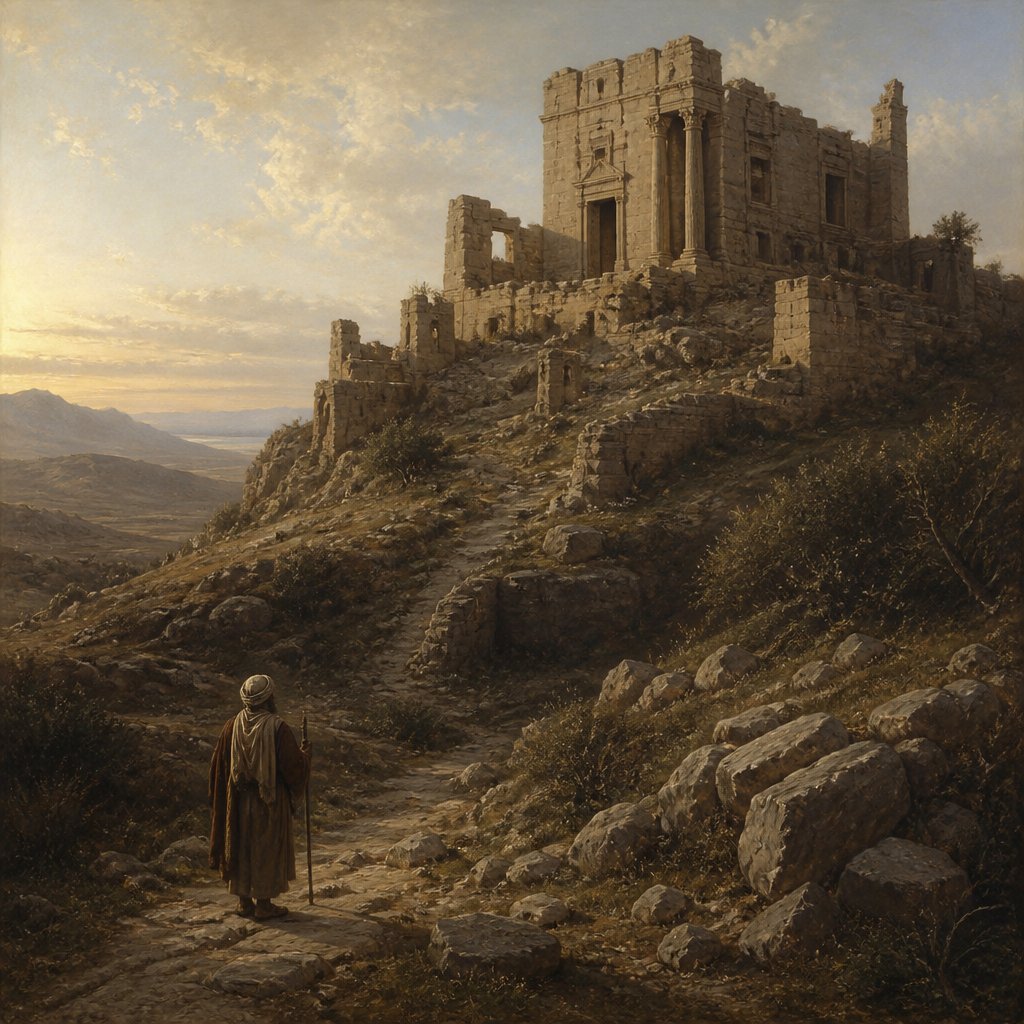
2 Chronicles 7:21 (KJV) states, "And this house, which is high, shall be an astonishment to every one that passeth by it; so that he shall say, Why hath the Lord done thus unto this land, and unto this house?" In order to fully understand the significance of this verse, it is necessary to examine the context in which it is found, as well as the themes and symbolism present within the verse.
The book of 2 Chronicles is a part of the historical books of the Old Testament, and it details the reign of Solomon as king of Israel. In this particular chapter, Solomon has just finished building the temple of the Lord in Jerusalem, and he is offering a prayer of dedication for the temple. In the verse preceding 2 Chronicles 7:21, Solomon makes a covenant with God, committing himself and the people of Israel to obeying the Lord's commandments and statutes. However, in verse 19, the Lord responds to Solomon, warning him that if the people of Israel turn away from Him and worship other gods, then He will uproot them from the land and destroy the temple that Solomon has built.
In 2 Chronicles 7:21, the Lord is foretelling the desolation of the temple and the land of Israel as a consequence of the people's disobedience. The phrase "this house, which is high, shall be an astonishment to every one that passeth by it" refers to the temple, which was an impressive and magnificent structure that was visible to all who passed by. The use of the word "astonishment" conveys a sense of shock and wonder at the downfall of such a grand building. This verse serves as a warning to the people of Israel that their disobedience will lead to the destruction of something that they hold in high regard.
The question posed in the second part of the verse, "Why hath the Lord done thus unto this land, and unto this house?" serves as a rhetorical question, emphasizing the idea that the destruction of the temple will cause others to question why the Lord would allow such a thing to happen. This question not only highlights the severity of the consequences of disobedience but also emphasizes the significance of the temple as a representation of the people's relationship with God.
One of the prominent themes present in this verse is the idea of consequences for disobedience. Throughout the Bible, there are numerous examples of God's people facing the repercussions of turning away from Him and disobeying His commands. In this verse, the Lord is warning the people of Israel that their actions will result in the destruction of something that they hold in high regard. This serves as a cautionary message that disobedience will not go unpunished.
Another theme that can be seen in this verse is the concept of the temple as a symbol of the people's relationship with God. The temple was a holy place where the Israelites would come to worship and offer sacrifices to the Lord. It was a physical representation of God's presence among His people. The warning of its destruction serves as a reminder that the physical structure itself is not as important as the spiritual obedience and connection to God that it represents.
Symbolism is also present in this verse, particularly in the representation of the temple as a symbol of the people's relationship with God. The temple served as a place of worship, sacrifice, and atonement for the people, and its destruction symbolizes the severing of their relationship with God. The use of the word "astonishment" and the rhetorical question at the end of the verse further emphasizes the magnitude of the consequences and the shock that will accompany them.
In conclusion, 2 Chronicles 7:21 carries a significant message of warning and consequence for disobedience. Through its context, themes, and symbolism, this verse serves as a reminder of the importance of obedience and the consequences of turning away from God. It also highlights the significance of the temple as a representation of the people's relationship with God, emphasizing that outward symbols are not as important as the spiritual realities they represent.
Get our apps


Artwork for 2 Chronicles 7:21
2 Chronicles 7:21 - "And this house, which is high, shall be an astonishment to every one that passeth by it; so that he shall say, Why hath the LORD done thus unto this land, and unto this house?"
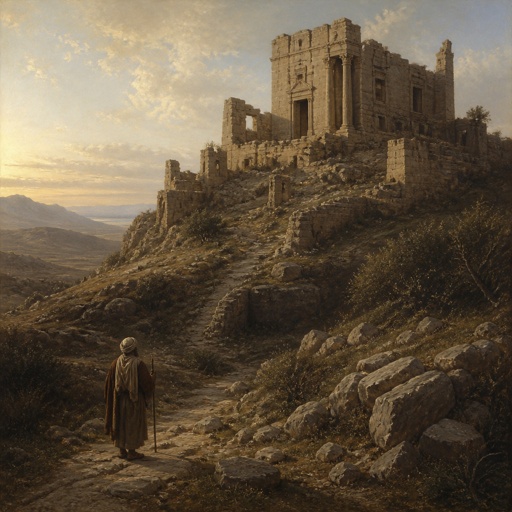
"And this house, which is high, shall be an astonishment to every one that passeth by it; so that he shall say, Why hath the LORD done thus unto this land, and unto this house?" - 2 Chronicles 7:21
2 Chronicles 21:7 - "Howbeit the LORD would not destroy the house of David, because of the covenant that he had made with David, and as he promised to give a light to him and to his sons for ever."

1 Chronicles 21:7 - "And God was displeased with this thing; therefore he smote Israel."

2 Chronicles 20:21

2 Chronicles 21:9

2 chronicles 7:14

2 chronicles 7:14

2 Chronicles 4:21 - "And the flowers, and the lamps, and the tongs, made he of gold, and that perfect gold;"

2 Chronicles 11:7 - "And Beth-zur, and Shoco, and Adullam,"

Humble ourselves and pray 2 Chronicles 7:14

2 Chronicles 21:18 - "¶ And after all this the LORD smote him in his bowels with an incurable disease."

1 Chronicles 7:21 - "¶ And Zabad his son, and Shuthelah his son, and Ezer, and Elead, whom the men of Gath that were born in that land slew, because they came down to take away their cattle."
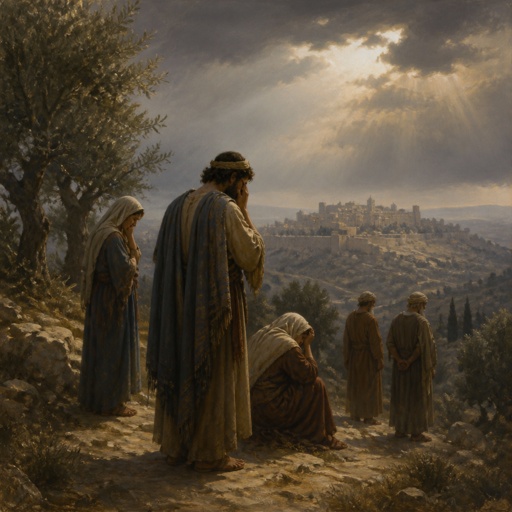
"And God was displeased with this thing; therefore he smote Israel." - 1 Chronicles 21:7

2 Kings 15:21 - "¶ And the rest of the acts of Menahem, and all that he did, are they not written in the book of the chronicles of the kings of Israel?"

2 Chronicles 24:21 - "And they conspired against him, and stoned him with stones at the commandment of the king in the court of the house of the LORD."

2 Chronicles 23:21 - "And all the people of the land rejoiced: and the city was quiet, after that they had slain Athaliah with the sword."

2 Chronicles 21:8 - "¶ In his days the Edomites revolted from under the dominion of Judah, and made themselves a king."

2 Chronicles 21:2 - "And he had brethren the sons of Jehoshaphat, Azariah, and Jehiel, and Zechariah, and Azariah, and Michael, and Shephatiah: all these were the sons of Jehoshaphat king of Israel."

2 Chronicles 7:4 - "¶ Then the king and all the people offered sacrifices before the LORD."

2 Chronicles 13:21 - "¶ But Abijah waxed mighty, and married fourteen wives, and begat twenty and two sons, and sixteen daughters."

2 Chronicles 21:16 - "¶ Moreover the LORD stirred up against Jehoram the spirit of the Philistines, and of the Arabians, that were near the Ethiopians:"

2 Chronicles 7:2 - "And the priests could not enter into the house of the LORD, because the glory of the LORD had filled the LORD'S house."

2 Kings 21:25 - "Now the rest of the acts of Amon which he did, are they not written in the book of the chronicles of the kings of Judah?"

2 Chronicles 33:21 - "¶ Amon was two and twenty years old when he began to reign, and reigned two years in Jerusalem."

1 Chronicles 2:7 - "And the sons of Carmi; Achar, the troubler of Israel, who transgressed in the thing accursed."

2 Chronicles 21:5 - "¶ Jehoram was thirty and two years old when he began to reign, and he reigned eight years in Jerusalem."

2 Chronicles 21:14 - "Behold, with a great plague will the LORD smite thy people, and thy children, and thy wives, and all thy goods:"

2 Chronicles 26:7 - "And God helped him against the Philistines, and against the Arabians that dwelt in Gurbaal, and the Mehunims."

2 Chronicles 21:11 - "Moreover he made high places in the mountains of Judah, and caused the inhabitants of Jerusalem to commit fornication, and compelled Judah thereto."