What does 2 Chronicles 8:13 mean?
"Even after a certain rate every day, offering according to the commandment of Moses, on the sabbaths, and on the new moons, and on the solemn feasts, three times in the year, even in the feast of unleavened bread, and in the feast of weeks, and in the feast of tabernacles." - 2 Chronicles 8:13
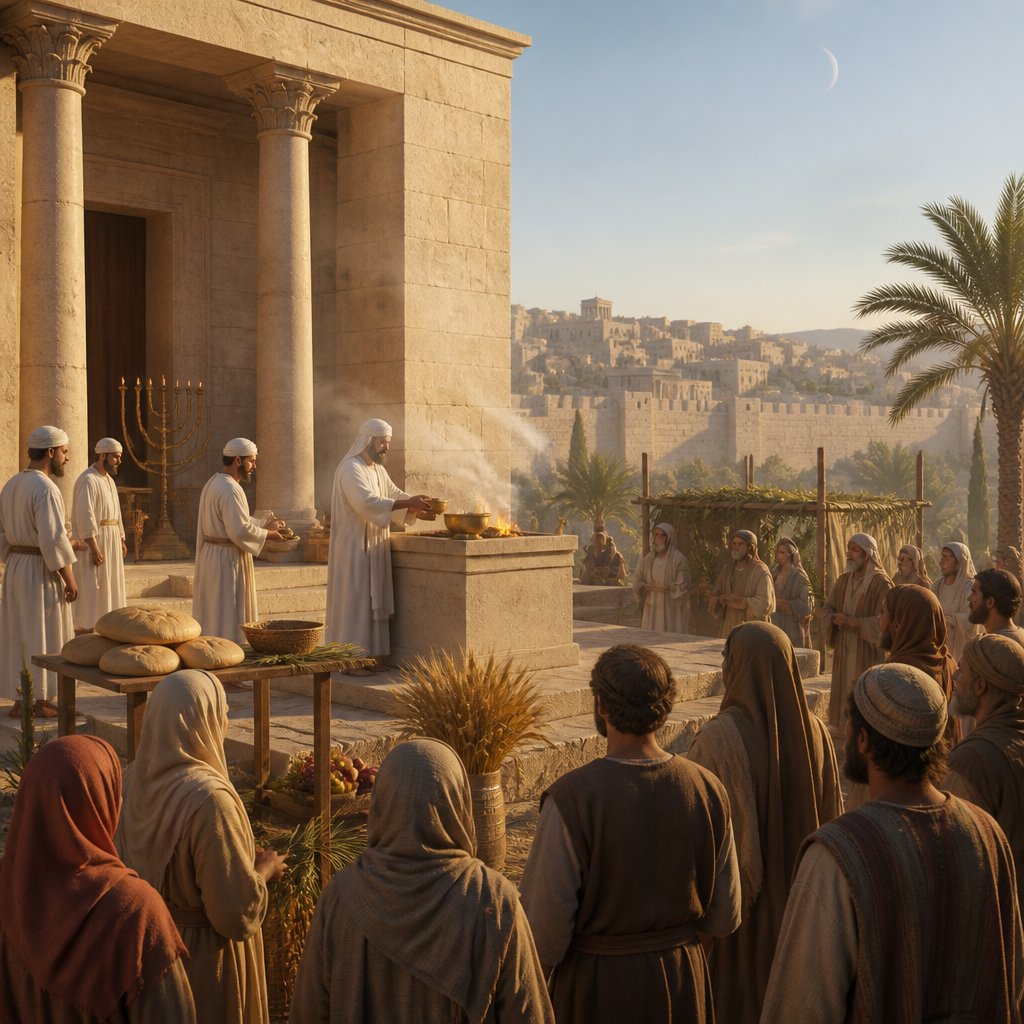
The Bible verse 2 Chronicles 8:13 from the King James Version (KJV) states, "Even after a certain rate every day, offering according to the commandment of Moses, on the Sabbaths, and on the new moons, and on the solemn feasts, three times in the year, even in the feast of unleavened bread, and in the feast of weeks, and in the feast of tabernacles."
In order to understand the deeper meaning and context of this verse, we need to first examine the historical and cultural backdrop of the passage. This verse is part of the Old Testament, specifically in the book of 2 Chronicles, which chronicles the reign of King Solomon and the building of the temple in Jerusalem. The temple was a central part of the Israelite religious and cultural identity, and it played a crucial role in their worship and observance of religious festivals and traditions.
In this verse, it is mentioned that the people were to offer sacrifices according to the commandment of Moses, specifically on the Sabbaths, new moons, and on the solemn feasts, three times in the year. This highlights the importance of regular and consistent worship and sacrifice in the Israelite faith. The reference to the commandment of Moses also underscores the continuity and adherence to the laws and traditions handed down by God to Moses, emphasizing the significance of following these commandments in the life of the Israelites.
The mention of specific feasts such as the feast of unleavened bread, the feast of weeks, and the feast of tabernacles is also significant. These feasts were integral to the religious calendar of the Israelites and held deep spiritual and cultural significance. The feast of unleavened bread, for example, commemorated the exodus of the Israelites from Egypt, while the feast of tabernacles celebrated the harvest and God's provision. These feasts were not only occasions for communal worship and sacrifice, but also opportunities for the Israelites to remember and reflect on their history, their relationship with God, and their dependence on Him for sustenance and deliverance.
Furthermore, the emphasis on offering sacrifices and observing these feasts "even after a certain rate every day" highlights the regular and consistent nature of the Israelites' worship and devotion. It speaks to the disciplined and dedicated approach they were expected to maintain in their religious practices, highlighting the importance of daily commitment to God and His commandments.
Symbolically, this verse underscores the themes of obedience, reverence, and faithfulness in the context of religious observance. It reflects the idea that worship and sacrifice are not just occasional or haphazard acts, but rather should be a consistent and integral part of the believer's life. The mention of the specific feasts also serves as a reminder of the importance of remembering and celebrating God's faithfulness, provision, and deliverance. These feasts were not only religious rituals, but opportunities for the Israelites to deepen their understanding of their history and identity as God's chosen people.
In conclusion, 2 Chronicles 8:13 from the King James Version carries significant historical, cultural, and spiritual weight. It provides insight into the importance of regular worship, sacrifice, and observance of religious feasts in the Israelite faith. It also underscores the themes of obedience, reverence, and faithfulness in the context of religious devotion. This verse serves as a reminder of the significance of maintaining a disciplined and consistent commitment to God and His commandments, as well as the importance of remembering and celebrating His faithfulness and provision.
Have questions about 2 Chronicles 8:13?
Dive deeper into this scripture with Bible Chat — an AI-powered tool for exploring God's Word through conversation. Ask questions, get context, and grow in your understanding of the Bible.
Get Our Apps


2 Chronicles 8:13 Artwork

2 Chronicles 8:13 - "Even after a certain rate every day, offering according to the commandment of Moses, on the sabbaths, and on the new moons, and on the solemn feasts, three times in the year, even in the feast of unleavened bread, and in the feast of weeks, and in the feast of tabernacles."
"Even after a certain rate every day, offering according to the commandment of Moses, on the sabbaths, and on the new moons, and on the solemn feasts, three times in the year, even in the feast of unleavened bread, and in the feast of weeks, and in the feast of tabernacles." - 2 Chronicles 8:13

2 Kings 13:8 - "¶ Now the rest of the acts of Jehoahaz, and all that he did, and his might, are they not written in the book of the chronicles of the kings of Israel?"
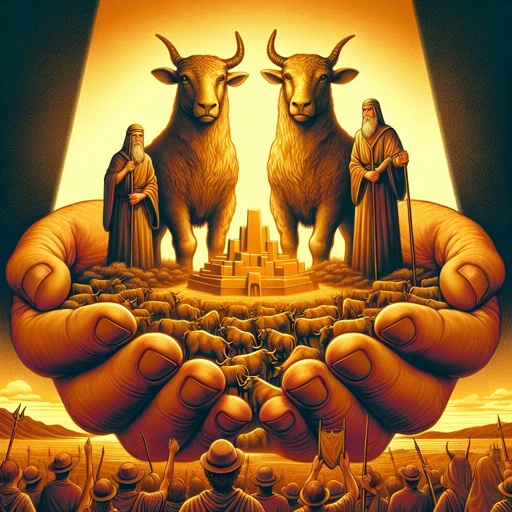
2 Chronicles 13:8 - "And now ye think to withstand the kingdom of the LORD in the hand of the sons of David; and ye be a great multitude, and there are with you golden calves, which Jeroboam made you for gods."

1 Chronicles 8:13 - "Beriah also, and Shema, who were heads of the fathers of the inhabitants of Aijalon, who drove away the inhabitants of Gath:"

2 Chronicles 6:13

2 chronicles 13:12

1 Chronicles 2:8 - "And the sons of Ethan; Azariah."

2 Chronicles 11:8 - "And Gath, and Mareshah, and Ziph,"

1 Chronicles 8:2 - "Nohah the fourth, and Rapha the fifth."

1 Chronicles 13:8 - "And David and all Israel played before God with all their might, and with singing, and with harps, and with psalteries, and with timbrels, and with cymbals, and with trumpets."

2 Chronicles 2:13 - "And now I have sent a cunning man, endued with understanding, of Huram my father's,"

2 Chronicles 13:13 - "¶ But Jeroboam caused an ambushment to come about behind them: so they were before Judah, and the ambushment was behind them."

2 Chronicles 8:3 - "And Solomon went to Hamath-zobah, and prevailed against it."

"¶ Now the rest of the acts of Jehoahaz, and all that he did, and his might, are they not written in the book of the chronicles of the kings of Israel?" - 2 Kings 13:8

2 Chronicles 29:13 - "And of the sons of Elizaphan; Shimri, and Jeiel: and of the sons of Asaph; Zechariah, and Mattaniah:"

2 Chronicles 20:13 - "And all Judah stood before the LORD, with their little ones, their wives, and their children."

2 Chronicles 13:16 - "And the children of Israel fled before Judah: and God delivered them into their hand."

1 Chronicles 2:13 - "¶ And Jesse begat his firstborn Eliab, and Abinadab the second, and Shimma the third,"

2 Chronicles 8:2 - "That the cities which Huram had restored to Solomon, Solomon built them, and caused the children of Israel to dwell there."

2 Chronicles 24:8 - "And at the king's commandment they made a chest, and set it without at the gate of the house of the LORD."

2 Chronicles 13:1 - "Now in the eighteenth year of king Jeroboam began Abijah to reign over Judah."

2 Chronicles 10:13 - "And the king answered them roughly; and king Rehoboam forsook the counsel of the old men,"

2 Chronicles 16:13 - "¶ And Asa slept with his fathers, and died in the one and fortieth year of his reign."

2 Chronicles 11:13 - "¶ And the priests and the Levites that were in all Israel resorted to him out of all their coasts."

"And the sons of Ethan; Azariah." - 1 Chronicles 2:8

"And Gath, and Mareshah, and Ziph," - 2 Chronicles 11:8

2 Chronicles 8:17 - "¶ Then went Solomon to Ezion-geber, and to Eloth, at the sea side in the land of Edom."
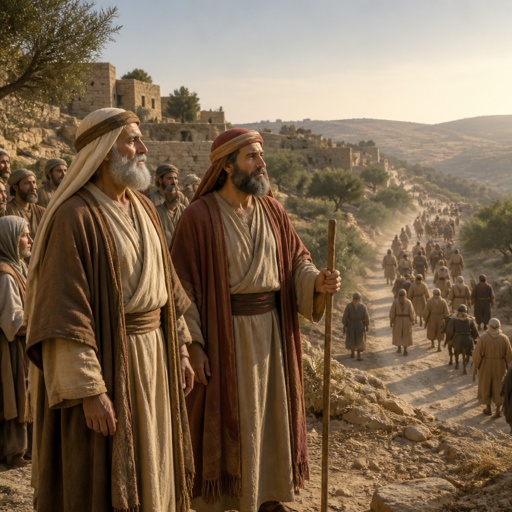
"Beriah also, and Shema, who were heads of the fathers of the inhabitants of Aijalon, who drove away the inhabitants of Gath:" - 1 Chronicles 8:13

2 Corinthians 8:13 - "For I mean not that other men be eased, and ye burdened:"