What does 2 Chronicles 9:29 mean?
“Now the rest of the acts of Solomon, first and last, are they not written in the book of Nathan the prophet, and in the prophecy of Ahijah the Shilonite, and in the visions of Iddo the seer against Jeroboam the son of Nebat?” — 2 Chronicles 9:29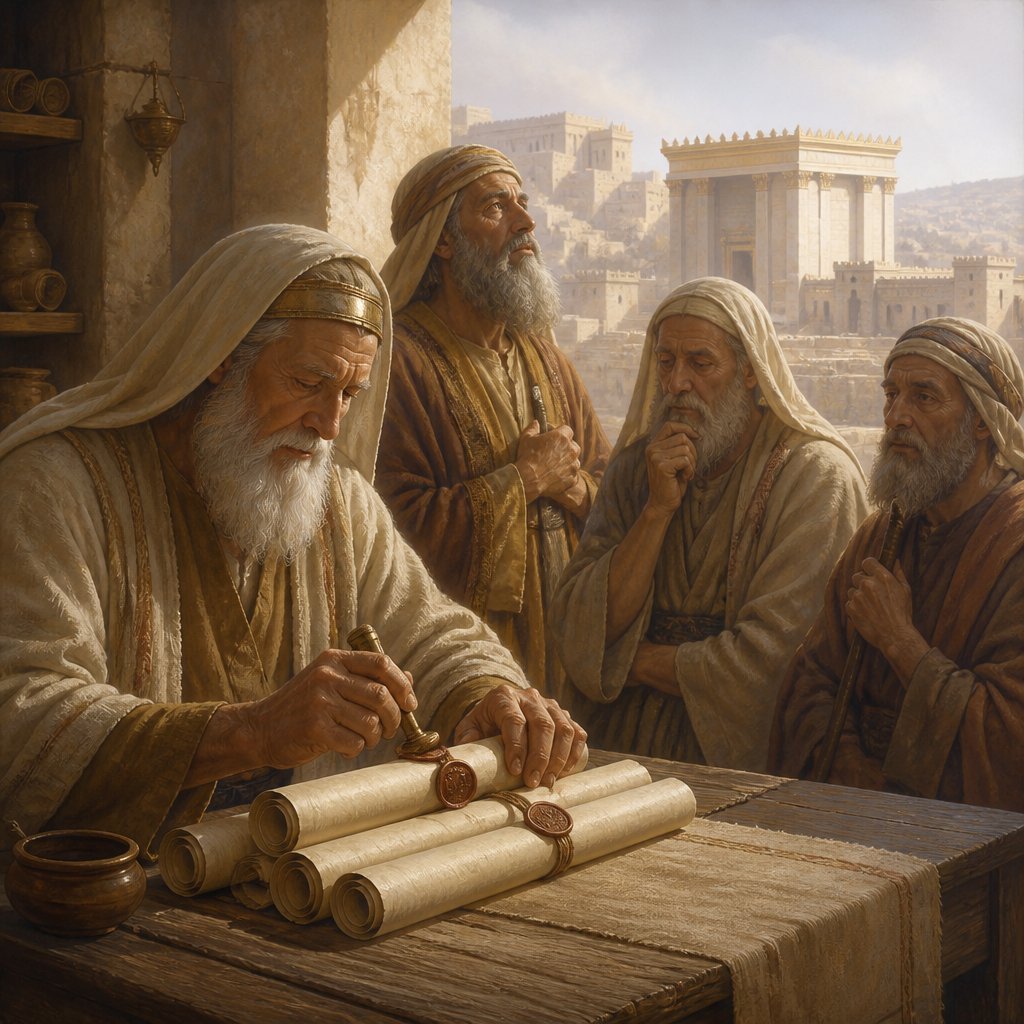
2 Chronicles 9:29 (KJV) states, "Now the rest of the acts of Solomon, first and last, are they not written in the book of Nathan the prophet, and in the prophecy of Ahijah the Shilonite, and in the visions of Iddo the seer against Jeroboam the son of Nebat?"
This verse is a part of the historical account of King Solomon, the son of King David, and his reign over Israel. It serves as a conclusion to the detailed description of the wealth, wisdom, and achievements of Solomon, as well as his building projects and international trade. The verse emphasizes that there are other sources that document the acts of Solomon that are not mentioned in the book of Chronicles. It refers to the books of Nathan the prophet, the prophecy of Ahijah the Shilonite, and the visions of Iddo the seer, which are believed to contain additional historical records and prophecies related to King Solomon and his era.
One of the predominant themes in this verse is the importance of historical documentation and the preservation of significant events. Solomon was known for his wisdom and his keen interest in recording his thoughts and actions, which is reflected in the book of Proverbs and Ecclesiastes attributed to him. The verse underscores the idea that the acts of righteous individuals such as Solomon should be recorded and remembered for future generations, as a source of inspiration and guidance. The books of Nathan, Ahijah, and Iddo serve as reminders that there are multiple perspectives and historical accounts that contribute to a comprehensive understanding of the past.
Another important theme in this verse is the role of prophets and seers in the history of Israel. Nathan and Ahijah were prominent prophets during the reign of Solomon, and their prophecies and writings provided spiritual guidance and direction to the king and the nation. Iddo the seer was also known for his visions and insights, particularly concerning Jeroboam, the son of Nebat, who would eventually rebel against Solomon's successor, King Rehoboam. The verse highlights the interconnectedness of religious and political leadership in ancient Israel, and the influence of divine revelation on the decisions and actions of the rulers.
The verse also holds symbolic significance in the broader context of the Bible. Nathan, Ahijah, and Iddo are recognized as important figures in the history of Israel, and their writings and prophecies are considered significant contributions to the biblical canon. Their mention in 2 Chronicles 9:29 underscores the authority and authenticity of their messages, and the interconnectedness of their roles in shaping the destiny of the nation. Furthermore, the verse alludes to the concept of divine revelation and the importance of heeding the words of the prophets, which is a recurring theme in the Old Testament.
Overall, 2 Chronicles 9:29 serves as a reminder of the importance of historical documentation, the roles of prophets and seers in shaping the history of Israel, and the interconnectedness of spiritual and political leadership. It encourages the readers to seek a comprehensive understanding of the past, and to appreciate the contributions of individuals such as Nathan, Ahijah, and Iddo in preserving and conveying the wisdom and guidance of God. This verse stands as a testament to the enduring significance of historical records and prophetic revelations in shaping the faith and identity of the people of Israel.
Get our apps


Artwork for 2 Chronicles 9:29

2 Chronicles 9:29 - "¶ Now the rest of the acts of Solomon, first and last, are they not written in the book of Nathan the prophet, and in the prophecy of Ahijah the Shilonite, and in the visions of Iddo the seer against Jeroboam the son of Nebat?"
"¶ Now the rest of the acts of Solomon, first and last, are they not written in the book of Nathan the prophet, and in the prophecy of Ahijah the Shilonite, and in the visions of Iddo the seer against Jeroboam the son of Nebat?" - 2 Chronicles 9:29

2 Chronicles 29:9 - "For, lo, our fathers have fallen by the sword, and our sons and our daughters and our wives are in captivity for this."

2 Chronicles 29:29 - "And when they had made an end of offering, the king and all that were present with him bowed themselves, and worshipped."

2 Chronicles 29:26 - "And the Levites stood with the instruments of David, and the priests with the trumpets."
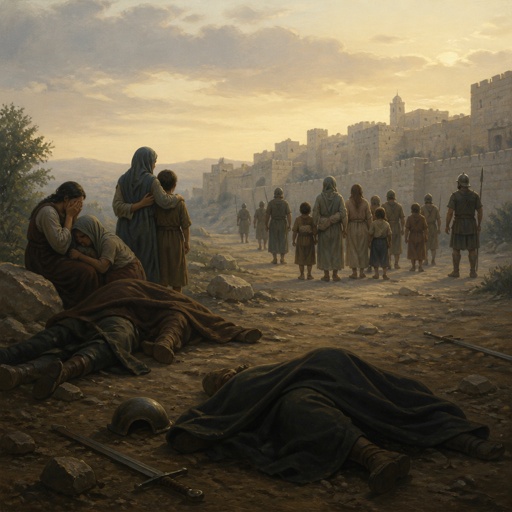
"For, lo, our fathers have fallen by the sword, and our sons and our daughters and our wives are in captivity for this." - 2 Chronicles 29:9

2 Chronicles 29:13 - "And of the sons of Elizaphan; Shimri, and Jeiel: and of the sons of Asaph; Zechariah, and Mattaniah:"

2 Chronicles 34:29 - "¶ Then the king sent and gathered together all the elders of Judah and Jerusalem."

2 Chronicles 29:14 - "And of the sons of Heman; Jehiel, and Shimei: and of the sons of Jeduthun; Shemaiah, and Uzziel."

2 Chronicles 29:2 - "And he did that which was right in the sight of the LORD, according to all that David his father had done."

1 Chronicles 9:29 - "Some of them also were appointed to oversee the vessels, and all the instruments of the sanctuary, and the fine flour, and the wine, and the oil, and the frankincense, and the spices."

1 Chronicles 29:9 - "Then the people rejoiced, for that they offered willingly, because with perfect heart they offered willingly to the LORD: and David the king also rejoiced with great joy."

2 Chronicles 29:33 - "And the consecrated things were six hundred oxen and three thousand sheep."

2 Chronicles 29:4 - "And he brought in the priests and the Levites, and gathered them together into the east street,"

1 Chronicles 2:29 - "And the name of the wife of Abishur was Abihail, and she bare him Ahban, and Molid."

2 Chronicles 29:20 - "¶ Then Hezekiah the king rose early, and gathered the rulers of the city, and went up to the house of the LORD."

2 Chronicles 29:36 - "And Hezekiah rejoiced, and all the people, that God had prepared the people: for the thing was done suddenly."

2 Chronicles 18:9

2 Chronicles 18:9

2 Chronicles 21:9

2 Chronicles 11:9 - "And Adoraim, and Lachish, and Azekah,"

2 Chronicles 29:23 - "And they brought forth the he goats for the sin offering before the king and the congregation; and they laid their hands upon them:"

2 Chronicles 29:28 - "And all the congregation worshipped, and the singers sang, and the trumpeters sounded: and all this continued until the burnt offering was finished."

2 Chronicles 29:15 - "And they gathered their brethren, and sanctified themselves, and came, according to the commandment of the king, by the words of the LORD, to cleanse the house of the LORD."

2 Chronicles 29:3 - "¶ He in the first year of his reign, in the first month, opened the doors of the house of the LORD, and repaired them."

2 Kings 9:29 - "And in the eleventh year of Joram the son of Ahab began Ahaziah to reign over Judah."

2 Chronicles 20:29 - "And the fear of God was on all the kingdoms of those countries, when they had heard that the LORD fought against the enemies of Israel."

2 Chronicles 31:9 - "Then Hezekiah questioned with the priests and the Levites concerning the heaps."

"And the Levites stood with the instruments of David, and the priests with the trumpets." - 2 Chronicles 29:26

2 Chronicles 29:10 - "Now it is in mine heart to make a covenant with the LORD God of Israel, that his fierce wrath may turn away from us."