What does 2 Corinthians 10:8 mean?
"For though I should boast somewhat more of our authority, which the Lord hath given us for edification, and not for your destruction, I should not be ashamed:" - 2 Corinthians 10:8
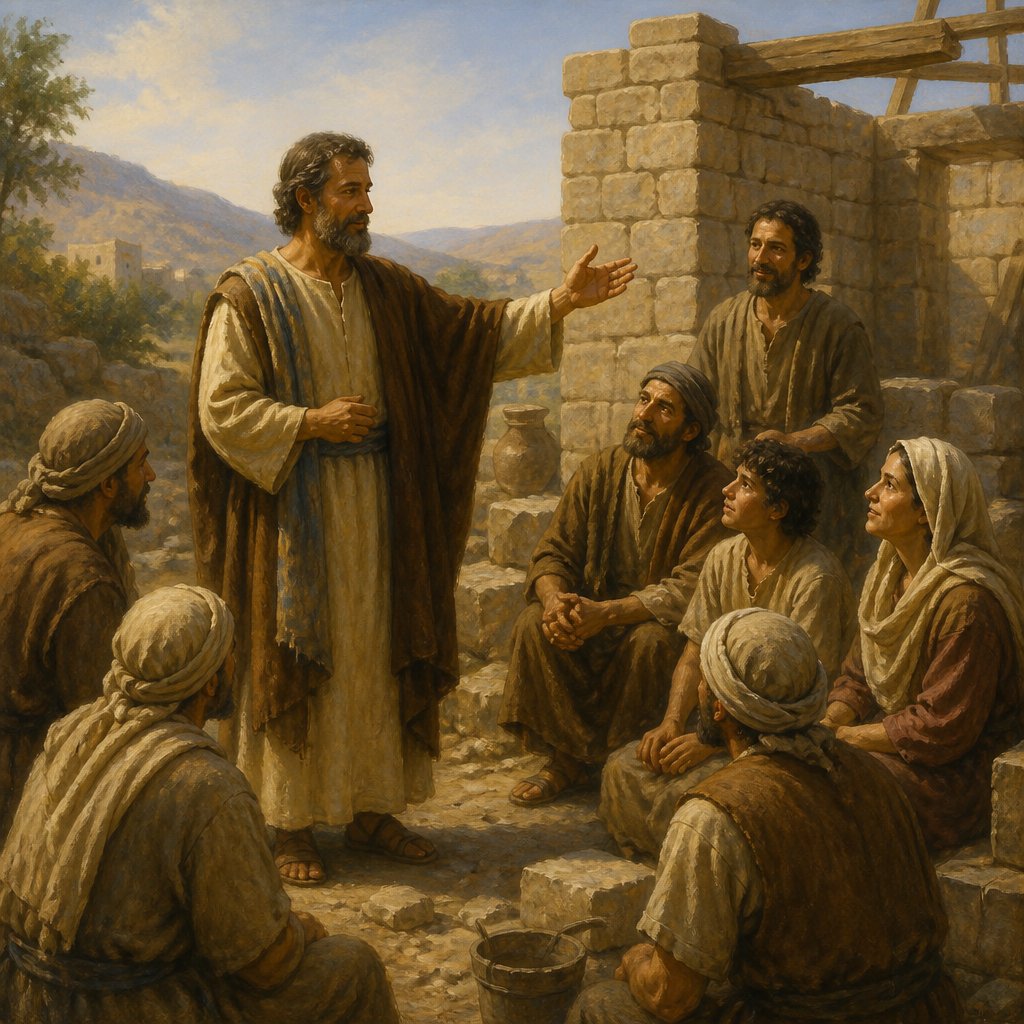
2 Corinthians 10:8 (KJV) - "For though I should boast somewhat more of our authority, which the Lord hath given us for edification, and not for your destruction, I should not be ashamed."
In this verse, the apostle Paul is addressing the church in Corinth, defending his authority as an apostle and explaining the purpose of that authority. This verse is part of a larger passage in which Paul is addressing false teachers and those who are undermining his credibility and authority as an apostle.
The verse begins with Paul acknowledging that he has the right to boast about his authority. This is a reference to the criticism and skepticism that Paul faced from the Corinthian church regarding his apostolic authority. Paul is not boasting for his own sake, but to defend the legitimacy of his ministry and his call from the Lord.
Paul goes on to clarify that the authority he has been given is for "edification, and not for your destruction." This emphasizes the purpose of his authority, which is to build up and strengthen the church, rather than tear it down. This aligns with Paul's larger message throughout his letters, in which he consistently emphasizes the importance of building up the body of Christ and serving the needs of others (Ephesians 4:12, Romans 14:19).
The phrase "the Lord hath given us" is significant, as it highlights the divine origin of Paul's authority. It is not something that he has obtained through his own efforts or merit, but it has been granted to him by the Lord. This further strengthens Paul's claim to authority and asserts that he is operating under God's direction and empowerment.
The verse concludes with an assertion that Paul "should not be ashamed" of boasting about his authority. This reflects Paul's confidence in the legitimacy of his ministry and the importance of defending it against those who seek to undermine it. Paul is unapologetic about speaking about his authority, as it is a necessary defense against those who are causing division and doubt within the church.
In a larger context, this verse is part of Paul's effort to address the challenges and conflicts within the Corinthian church. Throughout his letters to the Corinthians, Paul addresses issues such as division, immorality, and false teaching. His goal is to bring unity and stability to the church and to ensure that they are following the true gospel message.
The themes present in this verse include the legitimate authority of Christian leaders, the purpose of that authority, and the need to defend against false teaching and division within the church. The verse reflects Paul's commitment to upholding the truth of the gospel and guiding the church in the ways of Christ.
Symbolically, this verse represents the ongoing struggle within the Christian community to maintain unity and clarity in the face of opposition and false teaching. It also serves as a reminder of the responsibility of Christian leaders to use their authority for the edification and building up of the church, rather than for their own selfish gain. The verse emphasizes the divine origin of authority and the need to defend it with confidence and boldness.
In conclusion, 2 Corinthians 10:8 is a powerful statement from the apostle Paul regarding his authority as an apostle and the purpose of that authority. It serves as a reminder to all Christian leaders to exercise their authority in a way that builds up the body of Christ and defends against false teaching and division. The verse reflects Paul's commitment to upholding the truth of the gospel and guiding the church in the ways of Christ, and it continues to be a relevant and inspiring message for believers today.
Have questions about 2 Corinthians 10:8?
Dive deeper into this scripture with Bible Chat — an AI-powered tool for exploring God's Word through conversation. Ask questions, get context, and grow in your understanding of the Bible.
Get Our Apps


2 Corinthians 10:8 Artwork

2 Corinthians 10:8 - "For though I should boast somewhat more of our authority, which the Lord hath given us for edification, and not for your destruction, I should not be ashamed:"
"For though I should boast somewhat more of our authority, which the Lord hath given us for edification, and not for your destruction, I should not be ashamed:" - 2 Corinthians 10:8

2 Corinthians 8:10 - "And herein I give my advice: for this is expedient for you, who have begun before, not only to do, but also to be forward a year ago."

2 corinthians 10:3-5

2 corinthians 10:3-5

2 corinthians 10:3-5

2 corinthians 10:3-5

2 corinthians 10:3-5

2 corinthians 10:3-5

2 corinthians 10:3-5

2 corinthians 10:3-5

2 corinthians 10:3-5

2 corinthians 10:3-5

2 corinthians 10:3-5

2 corinthians 10:3-5

2 corinthians 10:3-5

2 Corinthians 7:10

1 Corinthians 10:8 - "Neither let us commit fornication, as some of them committed, and fell in one day three and twenty thousand."

2 Corinthians 8:8 - "I speak not by commandment, but by occasion of the forwardness of others, and to prove the sincerity of your love."

2 Corinthians 12:9-10

2 Corinthians 10:10 - "For his letters, say they, are weighty and powerful; but his bodily presence is weak, and his speech contemptible."

2 Corinthians 10:17 - "But he that glorieth, let him glory in the Lord."

2 Corinthians 3:8 - "How shall not the ministration of the spirit be rather glorious?"

2 Corinthians 2:8 - "Wherefore I beseech you that ye would confirm your love toward him."

2 Corinthians 10:18 - "For not he that commendeth himself is approved, but whom the Lord commendeth."

1 Corinthians 10:2 - "And were all baptized unto Moses in the cloud and in the sea;"

2 Corinthians 8:13 - "For I mean not that other men be eased, and ye burdened:"

2 Corinthians 13:8 - "For we can do nothing against the truth, but for the truth."

2 Corinthians 10:9 - "That I may not seem as if I would terrify you by letters."

2 Corinthians 8:2 - "How that in a great trial of affliction the abundance of their joy and their deep poverty abounded unto the riches of their liberality."