What does 2 Corinthians 10:7 mean?
"Do ye look on things after the outward appearance? If any man trust to himself that he is Christ's, let him of himself think this again, that, as he is Christ's, even so are we Christ's." - 2 Corinthians 10:7
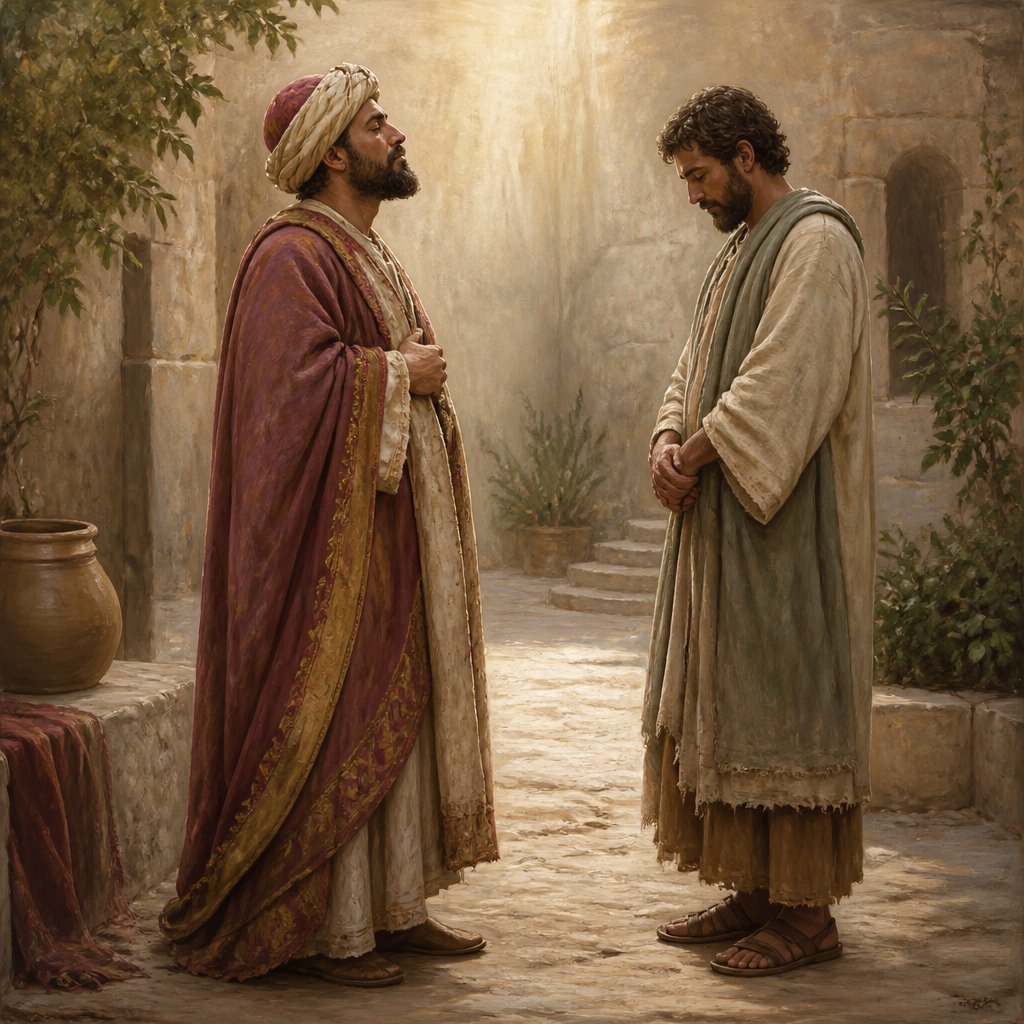
In 2 Corinthians 10:7 (KJV), the verse reads, "Do ye look on things after the outward appearance? If any man trust to himself that he is Christ's, let him of himself think this again, that, as he is Christ's, even so are we Christ's."
This verse is part of a larger passage in which the apostle Paul is asserting his authority and defending his ministry against false teachers who were undermining his leadership and credibility in the Corinthian church. Paul was facing opposition from some members of the church who were questioning his authority and the legitimacy of his ministry. In response, Paul writes this letter to address these concerns and to reaffirm his position and authority as an apostle of Christ.
In the context of this verse, Paul is challenging the Corinthians to not judge him by outward appearances or the claims of the false teachers who were trying to discredit him, but to instead consider the true evidence of his ministry and the fruits of his labor in the service of Christ. He is essentially calling the Corinthians to discern the truth and not be deceived by superficial judgments or misleading claims.
The theme of this verse centers around the importance of discernment and the danger of making judgments based solely on outward appearances or misleading assertions. Paul is urging the Corinthians to look beyond the surface and to evaluate the true nature of a person’s claim to be a follower of Christ. This theme is relevant not only to the specific situation in Corinth but also has broader implications for evaluating spiritual leaders, discerning truth, and avoiding deception in the Christian faith.
The deeper meaning of this verse can be understood in the broader context of Paul's teachings about the nature of Christian leadership and the authenticity of one's faith. Paul emphasizes the need for humility, integrity, and authenticity in the Christian life, and he warns against the dangers of pride, self-deception, and false spirituality. He challenges the Corinthians to examine their own hearts and motivations, to test the claims of others, and to be discerning in their judgment of spiritual matters.
In addition to its practical and ethical implications, this verse also carries symbolic significance in its reference to the identity of those who belong to Christ. The language Paul uses reflects a deep theological understanding of the believer’s union with Christ and the implications of this identity for the Christian community. By affirming that both he and the Corinthians belong to Christ, Paul is emphasizing the shared identity and unity of all believers in Christ, regardless of their outward appearances or the claims of false teachers. This underscores the universal and inclusive nature of the Christian faith and the need for genuine unity and mutual support within the community of believers.
Overall, 2 Corinthians 10:7 (KJV) is a powerful admonition to exercise discernment and wisdom in evaluating spiritual matters, to resist deception and false appearances, and to affirm the shared identity and unity of all believers in Christ. It serves as a timely reminder for Christians to seek truth, practice discernment, and strive for authenticity and integrity in their faith and relationships with others.
Have questions about 2 Corinthians 10:7?
Dive deeper into this scripture with Bible Chat — an AI-powered tool for exploring God's Word through conversation. Ask questions, get context, and grow in your understanding of the Bible.
Get Our Apps


2 Corinthians 10:7 Artwork

2 Corinthians 10:7 - "Do ye look on things after the outward appearance? If any man trust to himself that he is Christ's, let him of himself think this again, that, as he is Christ's, even so are we Christ's."
"Do ye look on things after the outward appearance? If any man trust to himself that he is Christ's, let him of himself think this again, that, as he is Christ's, even so are we Christ's." - 2 Corinthians 10:7

2 Corinthians 7:10

2 Corinthians 7:10 - "For godly sorrow worketh repentance to salvation not to be repented of: but the sorrow of the world worketh death."

2 corinthians 10:3-5

2 corinthians 10:3-5

2 corinthians 10:3-5

2 corinthians 10:3-5

2 corinthians 10:3-5

2 corinthians 10:3-5

2 corinthians 10:3-5

2 corinthians 10:3-5

2 corinthians 10:3-5

2 corinthians 10:3-5

2 corinthians 10:3-5

2 corinthians 10:3-5

2 corinthians 10:3-5

"For godly sorrow worketh repentance to salvation not to be repented of: but the sorrow of the world worketh death." - 2 Corinthians 7:10

2 Corinthians 12:7

2 Corinthians 12:7

2 Corinthians 12:7

2 Corinthians 12:7

2 Corinthians 5:7 - "(For we walk by faith, not by sight:)"
2 Corinthians 12:9-10

2 Corinthians 10:10 - "For his letters, say they, are weighty and powerful; but his bodily presence is weak, and his speech contemptible."

1 Corinthians 10:7 - "Neither be ye idolaters, as were some of them; as it is written, The people sat down to eat and drink, and rose up to play."

2 Corinthians 10:17 - "But he that glorieth, let him glory in the Lord."

1 Corinthians 7:10 - "And unto the married I command, yet not I, but the Lord, Let not the wife depart from her husband:"

2 Corinthians 10:18 - "For not he that commendeth himself is approved, but whom the Lord commendeth."

1 Corinthians 10:2 - "And were all baptized unto Moses in the cloud and in the sea;"