What does 2 Corinthians 11:29 mean?
“Who is weak, and I am not weak? who is offended, and I burn not?” — 2 Corinthians 11:29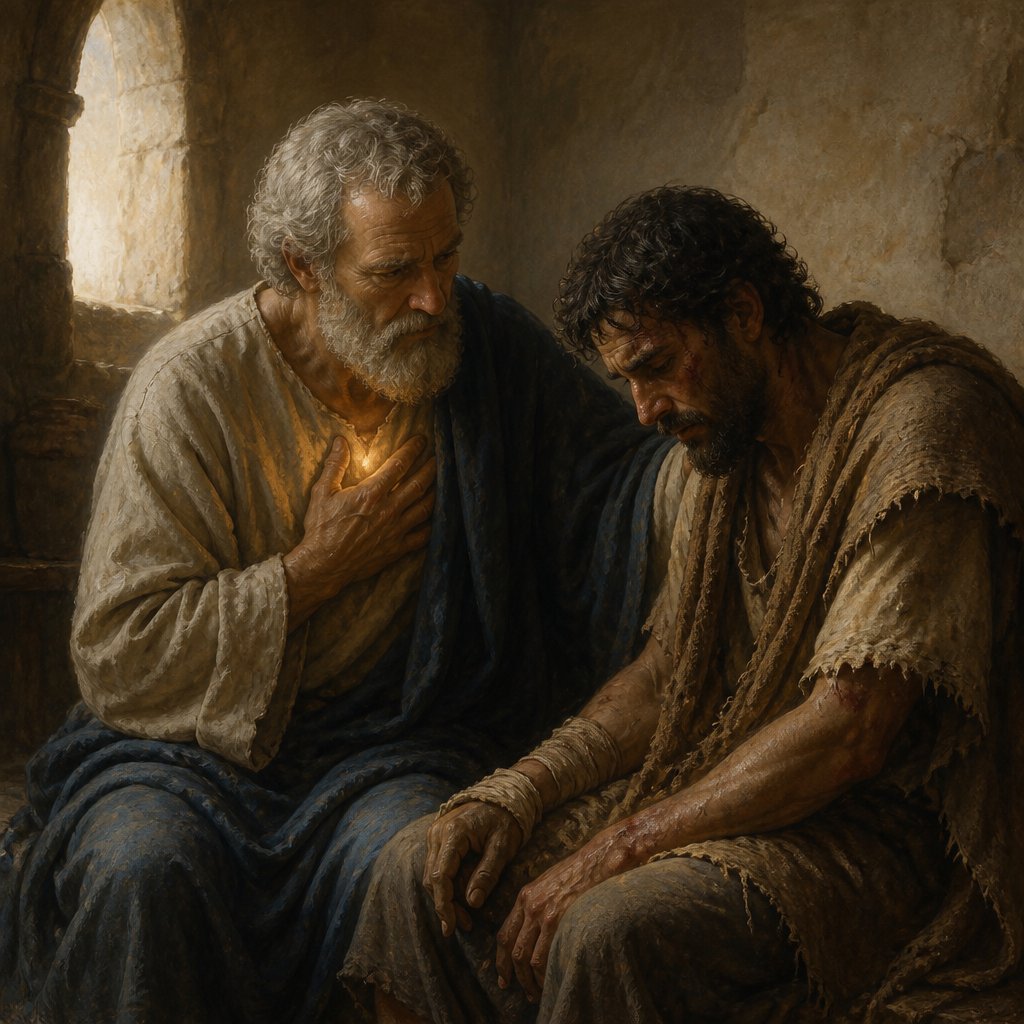
The verse 2 Corinthians 11:29 in the King James Version of the Bible reads: "Who is weak, and I am not weak? who is offended, and I burn not?"
This verse is part of the Apostle Paul's second letter to the Corinthians, in which he addresses a number of issues facing the church at Corinth. In this particular passage, Paul is defending his apostolic authority and addressing the challenges and trials he has faced in his ministry.
The verse speaks to Paul's deep empathy and identification with the struggles of others. "Who is weak, and I am not weak?" Paul is expressing his solidarity with those who are struggling or suffering. He is saying that when he sees someone who is weak, he feels their weakness as if it were his own. This reflects Paul's profound compassion and concern for the well-being of others. It also emphasizes the interconnectedness of the body of Christ, where the suffering of one member is felt by the entire community.
The second part of the verse, "who is offended, and I burn not?" further emphasizes Paul's sensitivity to the experiences of others. If someone is offended or hurt, Paul feels a deep emotional response. The language of "burning" suggests a strong emotional reaction, possibly anger or indignation on behalf of the one who has been wronged. This demonstrates Paul's fierce protectiveness of the members of the church, as well as his commitment to upholding justice and righteousness within the community.
In a broader sense, this verse speaks to the Christian ethic of empathy and compassion. It calls believers to be attuned to the struggles and suffering of those around them, and to respond with genuine care and concern. It also challenges individuals to consider their own emotional responses to the hardships of others, urging them to be moved to action by the injustices and pains they witness.
The context of this verse is important for understanding its significance. Paul is writing to the Corinthians in the midst of defending his apostolic ministry. Throughout this letter, he recounts the various challenges and trials he has endured for the sake of the gospel, including persecution, hardship, and danger. In this particular passage, Paul is contrasting his own experiences with the false apostles who have infiltrated the church at Corinth. He is highlighting his genuine care and concern for the Corinthians, as well as the sacrifices he has made on their behalf.
The themes of empathy, solidarity, and the interconnectedness of the body of Christ are central to this verse. It underscores the importance of bearing one another's burdens and supporting one another in times of weakness. It also emphasizes the need to stand up for those who have been wronged or marginalized, and to respond with righteous anger in the face of injustice.
In addition to its thematic significance, this verse also contains powerful symbolism. The imagery of weakness and burning conveys the depth of emotion and the intimate identification with the suffering of others. It also evokes the idea of purification and refining, as fire is often associated with testing and purification in the Bible. This can be seen as a metaphor for the refining of the community of believers, as they are called to embody the love and compassion of Christ in their interactions with one another.
In conclusion, 2 Corinthians 11:29 is a powerful and evocative verse that encapsulates the empathy and compassion that lies at the heart of the Christian faith. It challenges believers to be attuned to the struggles of others, to respond with genuine care and concern, and to stand up for justice and righteousness in the face of suffering and injustice. This verse serves as a reminder of the interconnectedness of the body of Christ and the call to embody Christ's love in our relationships with one another.
Get our apps


Artwork for 2 Corinthians 11:29

2 Corinthians 11:29 - "Who is weak, and I am not weak? who is offended, and I burn not?"
"Who is weak, and I am not weak? who is offended, and I burn not?" - 2 Corinthians 11:29

1 Corinthians 11:26-29

1 Corinthians 11:26-29

2 Corinthians 11:11 - "Wherefore? because I love you not? God knoweth."

2 Corinthians 6:11 - "O ye Corinthians, our mouth is open unto you, our heart is enlarged."

1 Corinthians 11:29 - "For he that eateth and drinketh unworthily, eateth and drinketh damnation to himself, not discerning the Lord's body." The image should not depict explicit or offensive content but be symbolic.

2 Corinthians 2:11 - "Lest Satan should get an advantage of us: for we are not ignorant of his devices."

2 Corinthians 11:14 - "And no marvel; for Satan himself is transformed into an angel of light."

2 Corinthians 11:5 - "For I suppose I was not a whit behind the very chiefest apostles."

2 Corinthians 11:13 - "For such are false apostles, deceitful workers, transforming themselves into the apostles of Christ."

2 Corinthians 11:19 - "For ye suffer fools gladly, seeing ye yourselves are wise."

2 Corinthians 3:11 - "For if that which is done away was glorious, much more that which remaineth is glorious."

2 Corinthians 11:24 - "Of the Jews five times received I forty stripes save one."

2 Corinthians 11:27 - "In weariness and painfulness, in watchings often, in hunger and thirst, in fastings often, in cold and nakedness."
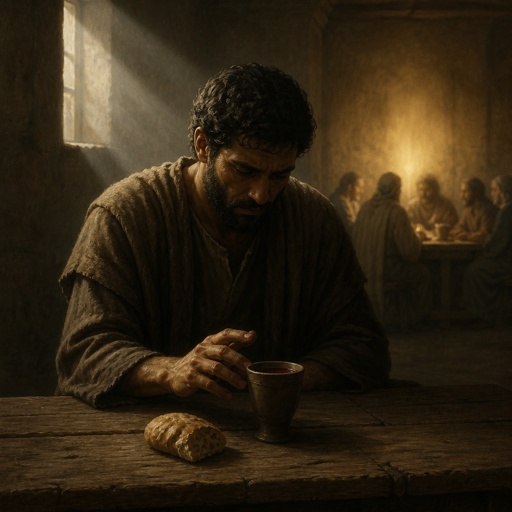
"For he that eateth and drinketh unworthily, eateth and drinketh damnation to himself, not discerning the Lord's body." - 1 Corinthians 11:29

2 Corinthians 11:33 - "And through a window in a basket was I let down by the wall, and escaped his hands."

2 Corinthians 11:8 - "I robbed other churches, taking wages of them, to do you service."

2 Corinthians 11:10 - "As the truth of Christ is in me, no man shall stop me of this boasting in the regions of Achaia."

2 Corinthians 11:17 - "That which I speak, I speak it not after the Lord, but as it were foolishly, in this confidence of boasting."
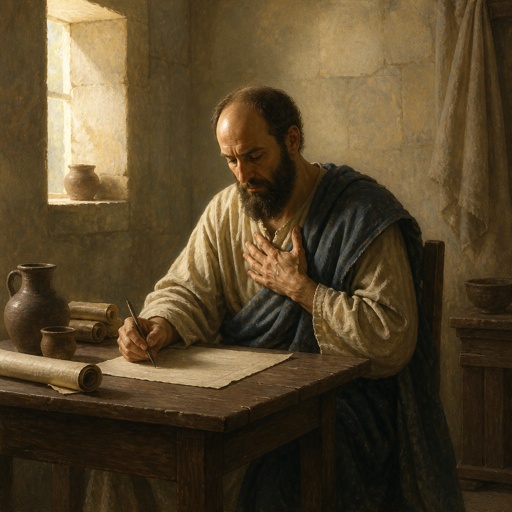
"Wherefore? because I love you not? God knoweth." - 2 Corinthians 11:11

2 Corinthians 11:30 - "If I must needs glory, I will glory of the things which concern mine infirmities."

2 Corinthians 11:32 - "In Damascus the governor under Aretas the king kept the city of the Damascenes with a garrison, desirous to apprehend me:"

2 Corinthians 11:1 - "Would to God ye could bear with me a little in my folly: and indeed bear with me."

2 Corinthians 11:31 - "The God and Father of our Lord Jesus Christ, which is blessed for evermore, knoweth that I lie not."

2 Corinthians 11:28 - "Beside those things that are without, that which cometh upon me daily, the care of all the churches."

2 Corinthians 9:11 - "Being enriched in every thing to all bountifulness, which causeth through us thanksgiving to God."

2 Corinthians 8:11 - "Now therefore perform the doing of it; that as there was a readiness to will, so there may be a performance also out of that which ye have."

2 Corinthians 11:22 - "Are they Hebrews? so am I. Are they Israelites? so am I. Are they the seed of Abraham? so am I."

2 Corinthians 11:15 - "Therefore it is no great thing if his ministers also be transformed as the ministers of righteousness; whose end shall be according to their works."