What does 2 Corinthians 12:10 mean?
“Therefore I take pleasure in infirmities, in reproaches, in necessities, in persecutions, in distresses for Christ’s sake: for when I am weak, then am I strong.” — 2 Corinthians 12:10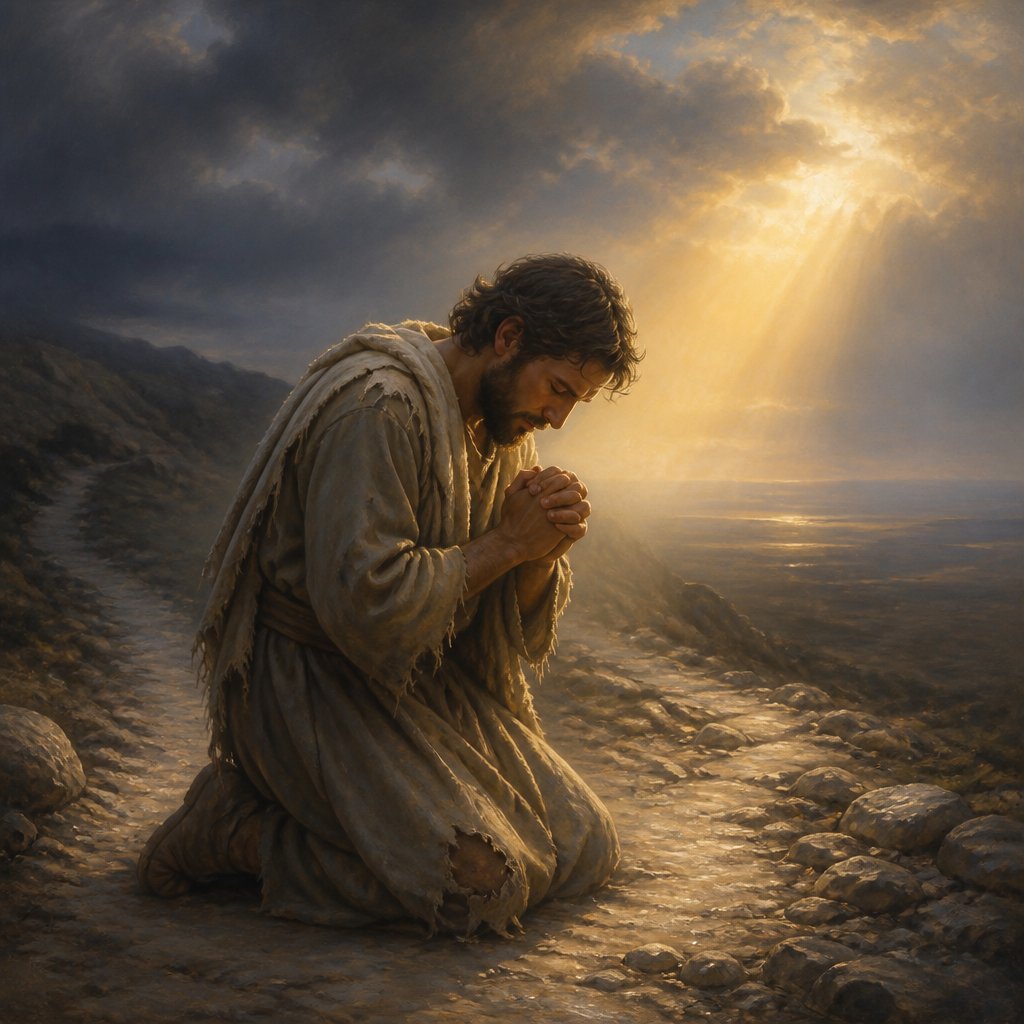
In the King James Version (KJV) of the Bible, 2 Corinthians 12:10 reads, "Therefore I take pleasure in infirmities, in reproaches, in necessities, in persecutions, in distresses for Christ's sake: for when I am weak, then am I strong." This verse is part of a larger passage in which the apostle Paul speaks about his own weaknesses and struggles with his faith. In this particular verse, Paul is expressing a paradoxical truth that is central to the Christian faith - that strength is found in weakness, and that through our weaknesses, Christ's power is made perfect.
To truly understand the depth of this verse, it is important to provide some context. The apostle Paul had an extraordinary conversion experience on the road to Damascus, where he was blinded by a bright light and heard the voice of Jesus Christ. From that moment on, Paul devoted his life to spreading the message of Christ to the Gentiles, enduring countless hardships and persecutions in the process. In 2 Corinthians, Paul defends his apostolic authority against the accusations of false apostles who sought to undermine his authority and influence over the Corinthian church.
In the wider context of the passage, Paul describes a series of extraordinary religious experiences, including being caught up to the third heaven, where he heard inexpressible things. However, he also speaks of a "thorn in the flesh," a messenger of Satan to torment him, which he begged the Lord to take away from him. It is in this context that he declares his willingness to boast about his weaknesses, because it is in those weaknesses that the power of Christ may rest upon him (2 Corinthians 12:9).
This verse exemplifies the paradox of Christian faith - that in our weakness, we can find strength. Paul takes pleasure in his infirmities, reproaches, necessities, persecutions, and distresses, not because he enjoys suffering, but because he recognizes that these trials are opportunities for Christ's strength to be made perfect in him. This speaks to the larger theme of suffering and endurance that is present throughout the New Testament, as well as the motif of the "suffering servant" in the Old Testament.
The idea of finding strength in weakness is also reflected in the life and teachings of Jesus Christ. In the Sermon on the Mount, Jesus proclaimed, "Blessed are the poor in spirit, for theirs is the kingdom of heaven" (Matthew 5:3). Throughout his ministry, Jesus showed compassion for the weak and marginalized, and he taught that those who are humble and lowly in spirit would be exalted (Matthew 23:12).
This verse can also be seen as a reflection of the broader theme of redemption and transformation in the Christian faith. Paul's willingness to embrace his weaknesses and sufferings reflects a profound trust in the transformative power of Christ. Through his own experiences, Paul came to understand that his weaknesses were not hindrances to his ministry, but rather opportunities for God's grace and power to be displayed.
In terms of symbolism, this verse can be seen as a testament to the transformative power of Christ's love. It symbolizes the inversion of traditional values, in which weakness and suffering are embraced rather than shunned. It also embodies the idea of the cruciform life, in which one's weaknesses and struggles are united with the suffering of Christ on the cross. This verse challenges the world's definition of strength and power, and points to a deeper, more profound source of strength that is found in Christ alone.
In conclusion, 2 Corinthians 12:10 is a powerful and profound statement on the paradox of Christian faith - that in weakness, there is strength. The verse reflects the larger themes of suffering, redemption, and transformation that are central to the Christian message. It also serves as a symbol of the transformative power of Christ's love and grace. This verse continues to inspire and challenge believers to embrace their weaknesses and struggles, knowing that it is through these hardships that Christ's power is made perfect.
Get our apps


Artwork for 2 Corinthians 12:10

2 Corinthians 12:10 - "Therefore I take pleasure in infirmities, in reproaches, in necessities, in persecutions, in distresses for Christ's sake: for when I am weak, then am I strong."
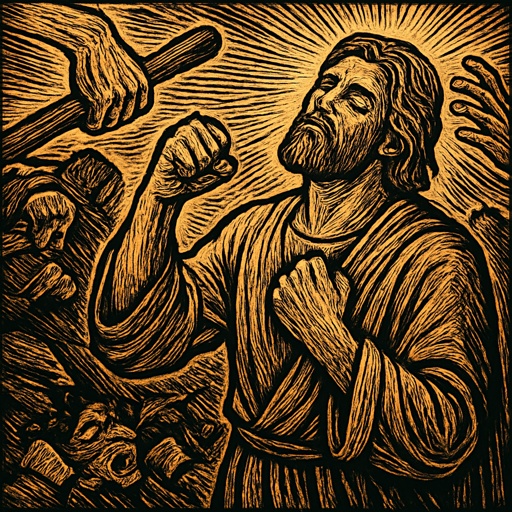
2 Corinthians 12:10 (FBV) "So I appreciate weaknesses, insults, troubles, persecutions, and difficulties that I suffer for Christ's sake. For when I'm weak, then I'm strong!"

"Therefore I take pleasure in infirmities, in reproaches, in necessities, in persecutions, in distresses for Christ's sake: for when I am weak, then am I strong." - 2 Corinthians 12:10
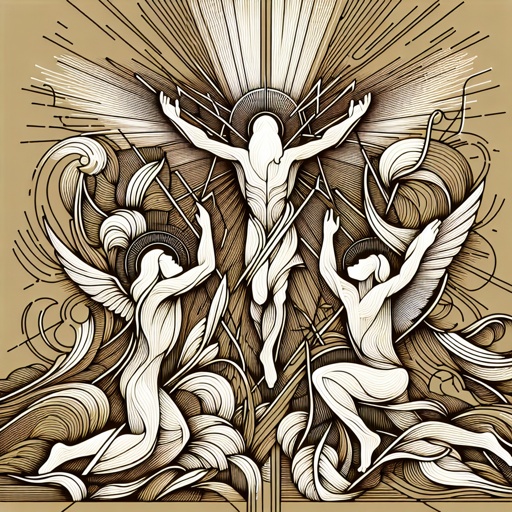
2 Corinthians 12:9-10

2 Corinthians 10:12 - "For we dare not make ourselves of the number, or compare ourselves with some that commend themselves: but they measuring themselves by themselves, and comparing themselves among themselves, are not wise."

1 corinthians 2:12

1 corinthians 2:12

2 Corinthians 12:9

2 Corinthians 12:7

2 Corinthians 12:7

1 corinthians 2:12

1 corinthians 2:12

2 corinthians 10:3-5

2 corinthians 10:3-5

2 corinthians 10:3-5

2 corinthians 10:3-5

2 corinthians 10:3-5

2 corinthians 10:3-5

2 corinthians 10:3-5

2 corinthians 10:3-5

2 corinthians 10:3-5

2 corinthians 10:3-5

2 corinthians 10:3-5

2 corinthians 10:3-5

2 Corinthians 12:2-4 – Paul’s vision of the third heaven.

2 Corinthians 12:7

2 Corinthians 12:9

2 Corinthians 12:9

2 Corinthians 12:7

2 Corinthians 7:10