What does 2 Corinthians 1:19 mean?
“For the Son of God, Jesus Christ, who was preached among you by us, even by me and Silvanus and Timotheus, was not yea and nay, but in him was yea.” — 2 Corinthians 1:19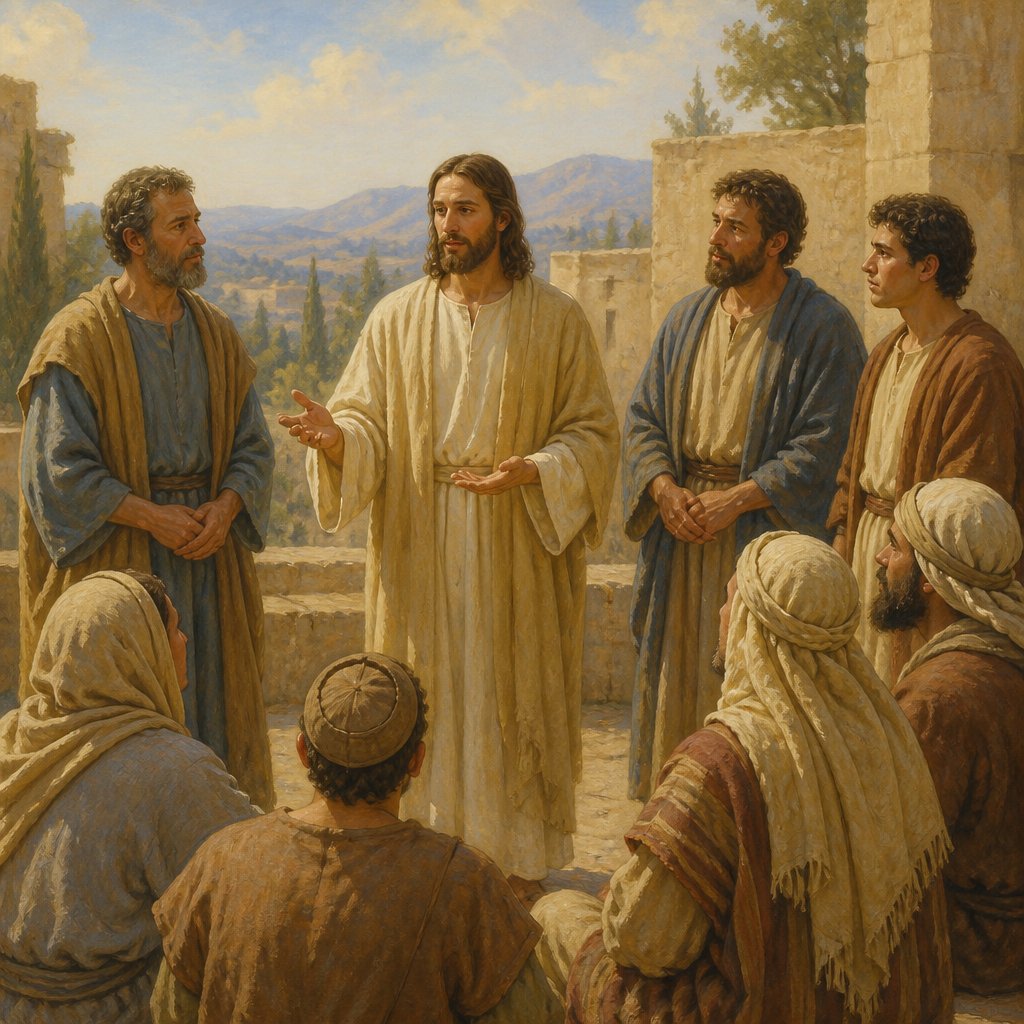
2 Corinthians 1:19, King James Version (KJV):
“For the Son of God, Jesus Christ, who was preached among you by us, even by me and Silvanus and Timotheus, was not yea and nay, but in him was yea.”
2 Corinthians is a letter written by the apostle Paul to the church in Corinth. In this verse, Paul is reminding the Corinthians of the consistency of the message they received from him and his companions regarding Jesus Christ. The verse emphasizes the reliability and trustworthiness of the message they preached, affirming that it was not contradictory but consistent in its truth.
The verse begins by referencing “the Son of God, Jesus Christ,” emphasizing the divinity and divine nature of Jesus. This serves to remind the Corinthians of the foundational belief in the deity of Christ, which was an important aspect of their faith. By acknowledging Jesus as the Son of God, Paul reaffirms the central theme of Christianity – the belief in Jesus as the Messiah and the Savior of the world.
Paul then mentions that Jesus was preached among the Corinthians by himself, Silvanus (Silas), and Timothy. This underscores the multiplicity of witnesses who proclaimed the message of Jesus among them. The inclusion of Silvanus and Timothy also serves to validate the message, as their testimony corroborates and reinforces the truth of the Gospel that was preached to the Corinthians.
The phrase “was not yea and nay, but in him was yea” is a declaration of the truth and certainty found in Jesus Christ. The use of the term “yea” reinforces the idea of affirmation, truth, and reliability. In contrast, “nay” signifies negation, doubt, and uncertainty. Paul is emphasizing that in Jesus, there is no ambiguity or inconsistency. He is the embodiment of truth and the fulfillment of God's promises, as attested by the Old Testament prophecies.
The broader context of this verse is the theme of God's faithfulness and the reliability of His promises. Paul, in his letter, seeks to encourage and strengthen the Corinthian believers amidst their struggles and challenges. He reminds them that the message of Jesus Christ, which they had received and believed, is steadfast and unwavering. It is a message of hope, redemption, and salvation that does not change or falter.
Symbolically, this verse represents the unchanging nature of God and the constancy of His character. Jesus Christ is portrayed as the ultimate manifestation of God's faithfulness and consistency. In a world filled with uncertainties and shifting ideologies, the believer can find assurance and stability in the unchanging nature of Jesus Christ.
Furthermore, the verse underscores the importance of the unity of the message preached by Paul, Silvanus, and Timothy. This unity of preaching reflects the harmony and agreement in the foundational truths of the Christian faith. It also serves as a reminder for the church to stand united in their beliefs, guarding against false teachings and divisions.
In conclusion, 2 Corinthians 1:19 reaffirms the unchanging nature of the message of Jesus Christ and the reliability of the Gospel. It emphasizes the trustworthiness of God's promises and the unwavering faithfulness of Jesus as the Son of God. The verse encourages believers to hold fast to the truth of the Gospel and find solace in the unchanging nature of Christ in a world filled with uncertainties.
Get our apps


Artwork for 2 Corinthians 1:19
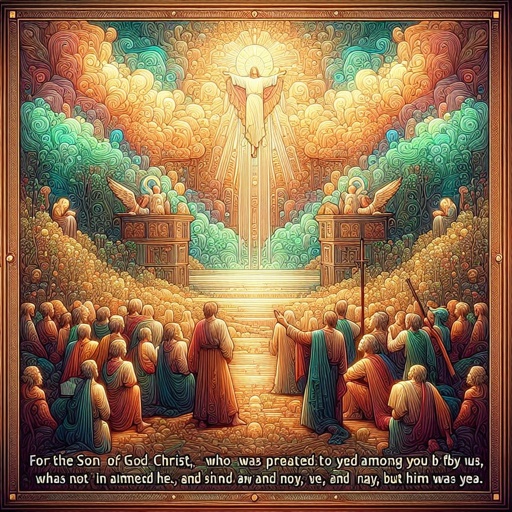
2 Corinthians 1:19 - "For the Son of God, Jesus Christ, who was preached among you by us, even by me and Silvanus and Timotheus, was not yea and nay, but in him was yea."
"For the Son of God, Jesus Christ, who was preached among you by us, even by me and Silvanus and Timotheus, was not yea and nay, but in him was yea." - 2 Corinthians 1:19

2 Corinthians 1:9 - "But we had the sentence of death in ourselves, that we should not trust in ourselves, but in God which raiseth the dead:"

1 Corinthians 1:19-20

1 Corinthians 1:19-20

1 Corinthians 1:19-20

1 Corinthians 1:19-20

1 Corinthians 1:19-20

1 Corinthians 1:19-20

1 Corinthians 1:19-20

1 Corinthians 1:19-20

1 Corinthians 1:19-20

1 Corinthians 1:19-20

1 Corinthians 1:19-20

1 Corinthians 1:19-20

1 Corinthians 1:19-20

1 Corinthians 1:19-20

1 Corinthians 1:19-20

1 Corinthians 1:19-20

1 Corinthians 1:19-20

1 Corinthians 1:19-20

1 Corinthians 1:19-20

1 Corinthians 1:19-20

"But we had the sentence of death in ourselves, that we should not trust in ourselves, but in God which raiseth the dead:" - 2 Corinthians 1:9

1 Corinthians 6:19

1 Corinthians 6:19

1 Corinthians 6:19

1 Corinthians 6:19

1 Corinthians 6:19

1 Corinthians 6:19