What does 2 Corinthians 1:7 mean?
“And our hope of you is stedfast, knowing, that as ye are partakers of the sufferings, so shall ye be also of the consolation.” — 2 Corinthians 1:7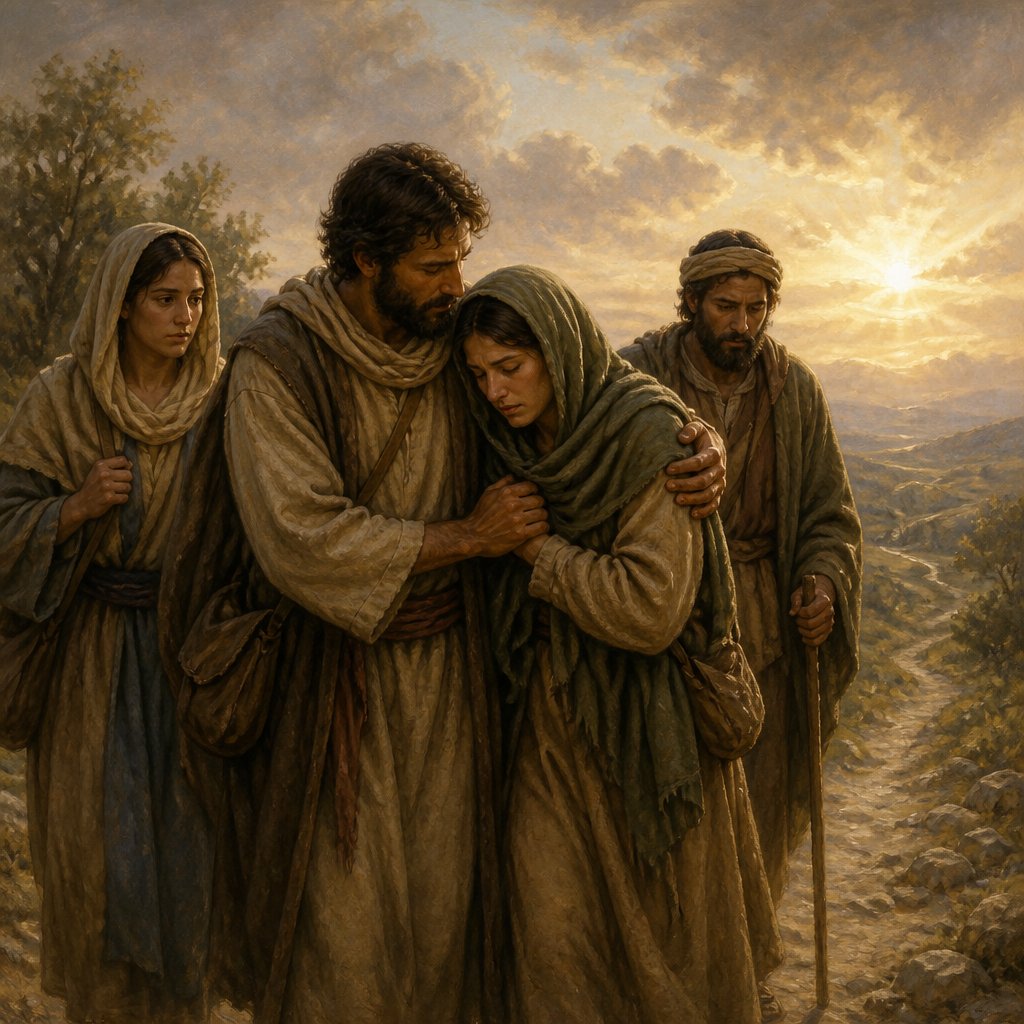
The Bible verse 2 Corinthians 1:7 from the King James Version (KJV) states, "And our hope of you is stedfast, knowing, that as ye are partakers of the sufferings, so shall ye be also of the consolation." This verse is part of a passage in which the apostle Paul is writing to the church in Corinth, encouraging them to find comfort in the midst of their sufferings. In this verse, Paul expresses his confidence in the Corinthians' ability to endure suffering and find comfort through their faith in God.
To fully understand the meaning and commentary of 2 Corinthians 1:7, it is important to consider the context in which it was written. The church in Corinth was facing various challenges and hardships, both internally and externally. Paul's letter was written to offer words of encouragement and support to the Corinthians as they navigated through their difficulties. He wanted to remind them of the hope and comfort that comes from their shared faith in Christ.
One of the central themes of 2 Corinthians 1:7 is the concept of suffering and consolation. Paul acknowledges that the Corinthians are "partakers of the sufferings," indicating that they were experiencing various trials and tribulations. This suffering could have been due to persecution, internal conflicts, or personal struggles. However, Paul also reassures them that they will also be partakers of the consolation. In other words, just as they have shared in suffering, they will also share in the comfort and hope that comes from their faith in Christ.
This verse highlights the universal reality of suffering and the importance of finding comfort and hope in the midst of it. It speaks to the human experience of facing trials and challenges, and it offers a message of resilience and endurance through faith. The idea that suffering is not the end of the story, but rather a pathway to finding consolation, is a powerful and comforting message for anyone facing hardship.
The symbolism in 2 Corinthians 1:7 lies in the contrast between suffering and consolation. Suffering can be seen as a dark and challenging experience, while consolation represents light and comfort. The verse suggests that both suffering and consolation are part of the human experience, and they are interconnected. Just as the Corinthians were not alone in their suffering, they were also not alone in their consolation. This symbolism emphasizes the idea of shared experiences within the Christian community and the importance of supporting one another through difficult times.
Another important aspect of this verse is the concept of hope. Paul's "hope of you is stedfast" reflects his unwavering belief in the Corinthians' ability to overcome their suffering and find consolation. This hope is rooted in the faith that God is present in their trials and that He will provide comfort and strength. This message of hope is a central tenet of the Christian faith and serves as a source of encouragement for believers facing challenges.
In conclusion, 2 Corinthians 1:7 offers a message of hope, comfort, and resilience in the face of suffering. It reminds believers that they are not alone in their trials and that through their shared faith in Christ, they can find consolation and strength. The verse serves as a source of encouragement for anyone facing hardship and a reminder of the enduring hope that comes from a relationship with God. It speaks to the universal human experience of suffering and offers a message of solace and endurance through faith.
Get our apps


Artwork for 2 Corinthians 1:7

"And our hope of you is stedfast, knowing, that as ye are partakers of the sufferings, so shall ye be also of the consolation." - 2 Corinthians 1:7

1 Corinthians 2:7 - "But we speak the wisdom of God in a mystery, even the hidden wisdom, which God ordained before the world unto our glory:"

1 Corinthians 7:2 - "Nevertheless, to avoid fornication, let every man have his own wife, and let every woman have her own husband."

2 Corinthians 7:10

2 Corinthians 12:7

2 Corinthians 12:7

2 Corinthians 12:7

2 Corinthians 12:7

2 Corinthians 7:1 - "Having therefore these promises, dearly beloved, let us cleanse ourselves from all filthiness of the flesh and spirit, perfecting holiness in the fear of God."

2 Corinthians 1:3-4

2 Corinthians 5:7 - "(For we walk by faith, not by sight:)"

1 Corinthians 7:6 - "But I speak this by permission, and not of commandment."

1 Corinthians 13:4-7

1 Corinthians 13:4-7

1 Corinthians 13:4-7

1 Corinthians 13:4-7

1 corinthians 2:12

1 corinthians 2:12

1 Corinthians 15:7 - "After that, he was seen of James; then of all the apostles."

1 Corinthians 7:23 - "Ye are bought with a price; be not ye the servants of men."

1 corinthians 2:12

1 corinthians 2:12

1 Corinthians 7:19 - "Circumcision is nothing, and uncircumcision is nothing, but the keeping of the commandments of God."

1 Corinthians 7:31 - "And they that use this world, as not abusing it: for the fashion of this world passeth away."

2 Corinthians 7:16 - "I rejoice therefore that I have confidence in you in all things."

1 Corinthians 1:7 - "So that ye come behind in no gift; waiting for the coming of our Lord Jesus Christ:"
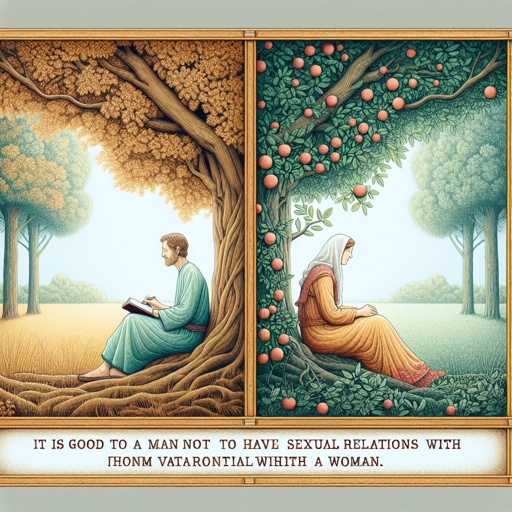
1 Corinthians 7:1-2 - "Now for the matters you wrote about: “It is good for a man not to have sexual relations with a woman.” But since sexual immorality is occurring, each man should have sexual relations with his own wife, and each woman with her own husband."

1 Corinthians 12:7 - "But the manifestation of the Spirit is given to every man to profit withal."

2 Corinthians 6:7 - "By the word of truth, by the power of God, by the armour of righteousness on the right hand and on the left,"

2 Corinthians 7:2 - "Receive us; we have wronged no man, we have corrupted no man, we have defrauded no man."